Ukraine War13 January, 20262 min read
Russia Kills 2,514 Ukrainian Civilians in 2025, UN Says
UN HRMMU recorded 2,514 civilians killed and 12,142 injured in Ukraine in 2025 2025 was the deadliest year for Ukrainian civilians since Russia's 2022 full-scale invasion
15 outlets told this the same way.
Outlets did split on Russian Attack Kills At Least 33 On Two Buses In Kramatorsk →
2025 Ukraine civilian toll
The U.N. Human Rights Monitoring Mission in Ukraine (HRMMU) reported that 2025 was the deadliest year for Ukrainian civilians since Russia's full-scale invasion in 2022, verifying 2,514 civilian deaths and 12,142 injuries.
“2,514 civilians were killed and 12,142 injured — a 31% rise from 2024 and 70% higher than 2023.”
Multiple outlets echoed the HRMMU figures: The Kyiv Independent and Ґвара Медіа used the precise tally of 2,514 deaths and 12,142 injuries, Euronews and VOI.id reported the same numbers, while politico.eu summarized the finding as "at least 2,500" killed and "12,000" injured.

The UN's update described 2025 as a sharp deterioration in civilian protection compared with 2024 and 2023, noting a 31% increase from 2024 and a 70% rise from 2023.
Drone and missile impact
The HRMMU and multiple outlets attributed the rise to intensified frontline fighting and changing weapon patterns. Short-range attack drones surged and long-range weapons were used increasingly from June 2025, worsening harm in urban areas.
Several reports highlighted that casualties from short-range attack drones rose sharply, with one source citing a 120% increase, while long-range strikes caused over a third of civilian casualties. Analysts said this reflected both cheaper FPV-style drone use near the front and increased long-range missile and guided-bomb strikes in cities.

2025 Civilian Harm Overview
The HRMMU update and most outlets attribute the vast majority of 2025 civilian harm to attacks by Russian forces in Ukrainian government-controlled areas. UN verification showed roughly 97% of casualties occurred in government-held territory, and the mission repeatedly linked those casualties to Russian attacks.
“The HRMMU verified that 97% of casualties occurred in Ukrainian government-controlled areas and were caused by Russian armed forces.”
Reporting also stresses the disproportionate harm to frontline communities and elderly residents. People aged 60 and older accounted for about 45% of frontline deaths despite making up roughly 25% of the population.
Attacks and diplomatic timing
The update listed specific deadly incidents and highlighted timing linked to diplomatic developments.
The HRMMU verified the deadliest single attack as a Nov. 19 long-range missile strike on Ternopil that killed at least 38 civilians, including eight children, and wounded many more.
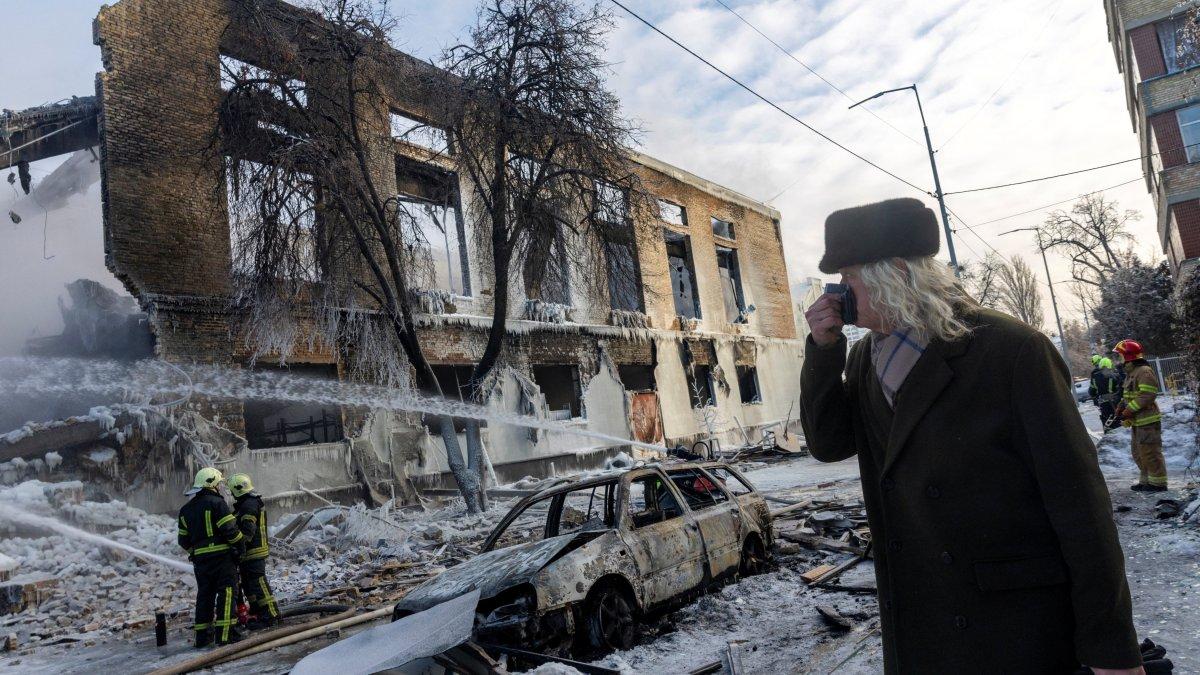
Other outlets also flagged major attacks such as a July 31 shelling of Kyiv.
Separately, The Straits Times, citing a European governments' review seen by Bloomberg, and other Western outlets noted an intensification of attacks after moments of U.S.-Russia engagement in 2025.
They said thousands of deaths and many large strikes occurred after a March Trump-Putin call and after May direct talks, though the European review stops short of assigning motive.
Humanitarian and media responses
The humanitarian and policy response varied in tone across outlets. The UN launched a $2.3 billion appeal to assist 4.1 million of Ukraine's most vulnerable people, stressing shelter, food, health and evacuation support. UN aid officials warned of winter risks and urgent needs for the elderly and displaced.
“The UN has launched a $2.3 billion appeal to assist 4.1 million of Ukraine’s most vulnerable people, funding food, healthcare, shelter, protection, cash assistance and evacuations.”
Some outlets focused on the UN appeal and operational relief, citing coverage by RTTNews and Euronews. Other outlets, including The Straits Times and the Washington Examiner, highlighted geopolitical implications and suggested the pattern of strikes may reflect strategic calculations tied to diplomacy or efforts to erode morale. A few sources noted Russia's unverified claims of civilian harm inside Russia and the UN's inability to verify those figures due to limited access.