Ukraine War10 January, 20262 min read
Russia Knocks Out Kyiv Power, Heating and Water in Latest Strikes
This article is an automated aggregation of coverage from news outlets. Our editorials offer in-depth analysis curated by the NewsCord team.
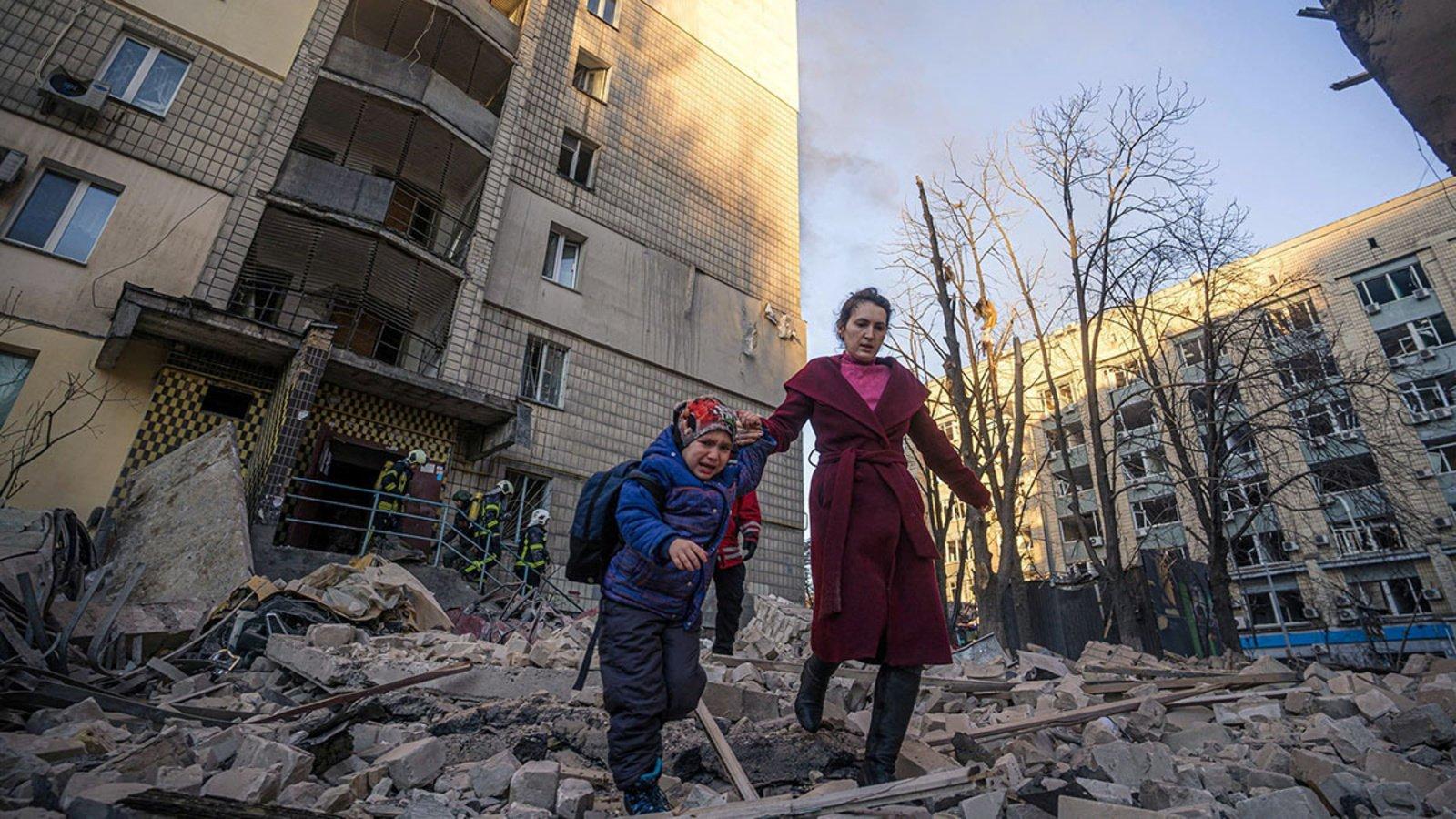
Russian strikes severely damaged Kyiv's power grid, cutting electricity, heating and water Ukrenergo ordered emergency outages and consumption reductions to stabilize the damaged power grid
6 outlets told this the same way.
Cross-border power and heating outages
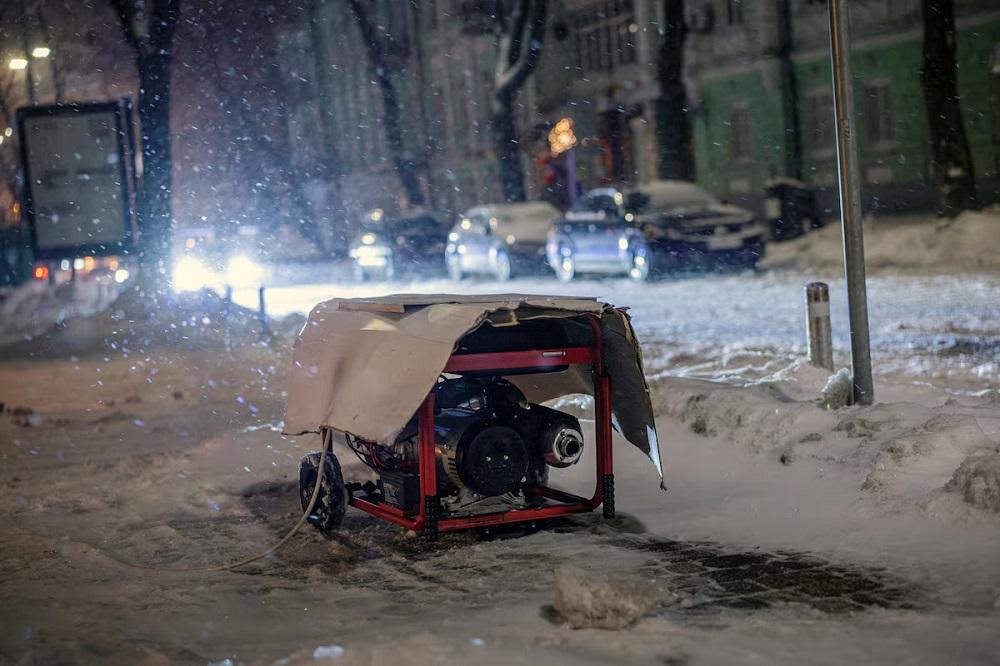
A wave of strikes left large parts of Kyiv without electricity, water and centralized heating after another night of Russian drone and rocket attacks. The state grid operator ordered consumption cuts and multi-hour restrictions while crews worked to restore services. Officials said the outage followed several days of heavy strikes and damaged critical infrastructure across the capital.
“Large parts of Kyiv were left without electricity, water and heating on Saturday after another night of Russian drone and rocket attacks.”
At the same time, reports said a Ukrainian night strike hit the Russian border city of Belgorod, leaving that city also without power, heating and water. The reciprocal outages illustrate damage and disruption on both sides of the frontier.

Heat outages and response
City authorities warned of plunging temperatures and opened emergency heating centers as outages threatened vulnerable residents. Sarajevo Times reported temperatures were expected to drop to about −15°C and that authorities had opened roughly 1,200 heating centers.
SABC News said engineers had restored power to parts of the capital and that the prime minister expected full heat supply to be restored on Saturday, but warned the grid remained badly damaged and under strain. Reports noted that across both countries thousands of apartment buildings were left without heat as sub-zero temperatures set in.
Civilian impact and messaging
Sarajevo Times detailed casualties and property damage from a prior massive attack that killed four people, wounded 26, and damaged about 20 residential buildings, including one housing the Qatari embassy. SABC News relayed Mayor Vitali Klitschko's appeal for residents with warm places to leave and quoted a pensioner describing staying wrapped in layers in her cold flat. lnginnorthernbc.ca added eyewitness detail of residents using flashlights and car lights in Belgorod, underscoring immediate civilian hardship on both sides of the border.
“Mayor Vitali Klitschko had urged residents with warm places to go to leave the city after around half of apartment blocks lost heating following the missile and drone attack.”
Energy infrastructure attacks
Sources differed on attribution and context for attacks on energy infrastructure. Sarajevo Times and lnginnorthernbc.ca reported an intensification of strikes on energy facilities. Sarajevo Times said both sides have increasingly struck energy infrastructure and cited AFP reporting that Russia has stepped up attacks on Ukrainian energy facilities, which Kyiv and its allies describe as a deliberate effort to weaken civilians.
lnginnorthernbc.ca recorded a Ukrainian night strike hitting Belgorod and cited regional governor Vyacheslav Gladkov's estimate that more than 500,000 people were cut off. SABC News focused less on assigning blame and more on the immediate technical state of the grid and repair efforts.

Inconsistent news coverage
Coverage displays gaps and ambiguity: the four provided snippets do not include a full CBC article text.
“I don't see the article text. Could you paste the article or provide a link?”
Each outlet emphasizes different angles, including humanitarian centers and casualty counts (Sarajevo Times, Western Alternative), official restoration and warnings (SABC News, African), and cross-border reciprocity and large-scale outages in Belgorod (lnginnorthernbc.ca and Other).
Because the CBC snippet supplied no event text (it asked 'I don't see the article text. Could you paste the article or provide a link?'), we cannot incorporate any distinct CBC reporting or tone here.
The available sources provide overlapping but not identical accounts, and details such as total affected households, precise repair timelines, and independent confirmation of casualties remain unclear or differ between outlets.