Ukraine War23 December, 20252 min read
Russia Launches 650-Drone, 30-Missile Attack on Ukraine, Kills 3 Including a Child and Cuts Power in Multiple Regions
This article is an automated aggregation of coverage from news outlets. Our editorials offer in-depth analysis curated by the NewsCord team.
Russia launched over 650 drones and roughly 30–38 missiles across at least 13 regions Attack killed at least three people, including a four-year-old child
11 outlets told this the same way.
Outlets did split on Russian Attack Kills At Least 33 On Two Buses In Kramatorsk →
Ukraine missile and drone assault
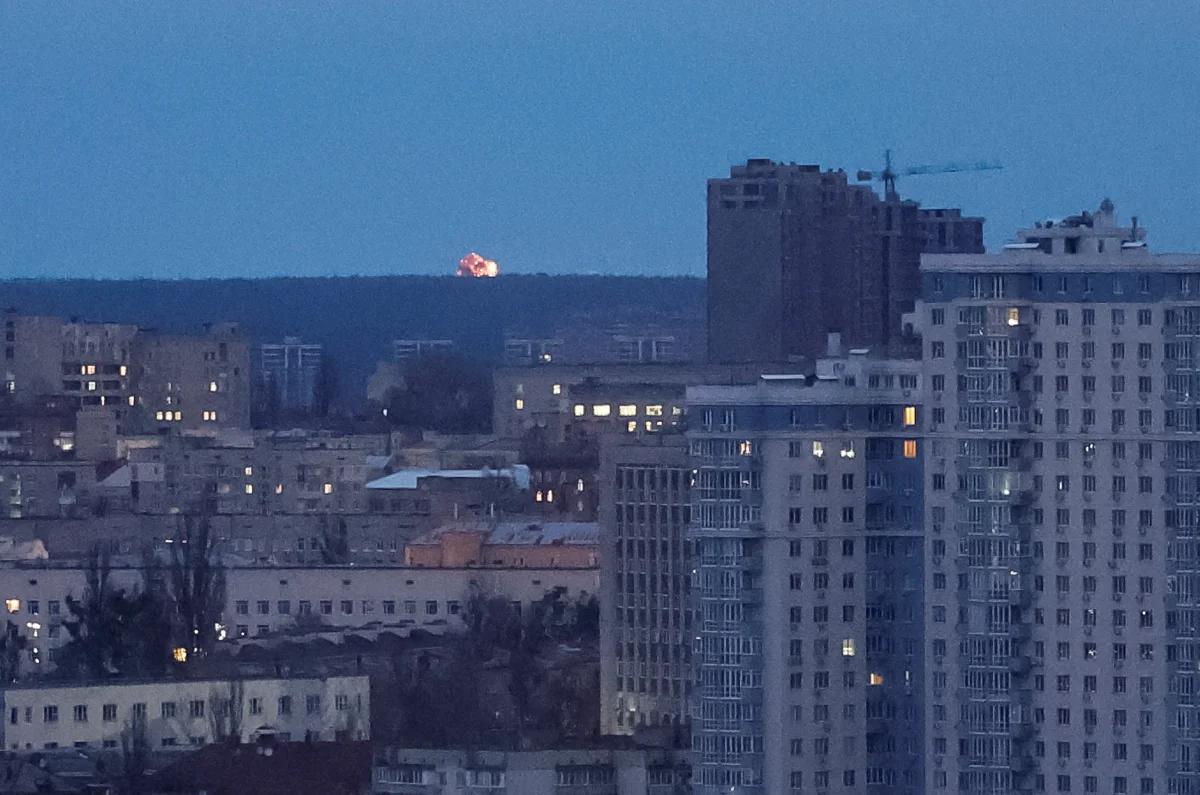
Russian forces launched a massive overnight missile-and-drone assault across Ukraine on Dec. 23.
“Russia carried out one of its largest overnight aerial attacks on Ukraine, firing more than 650 drones (many Shahed-type) and over 30 missiles at targets across at least 13 regions, Ukrainian President Volodymyr Zelenskyy said.”
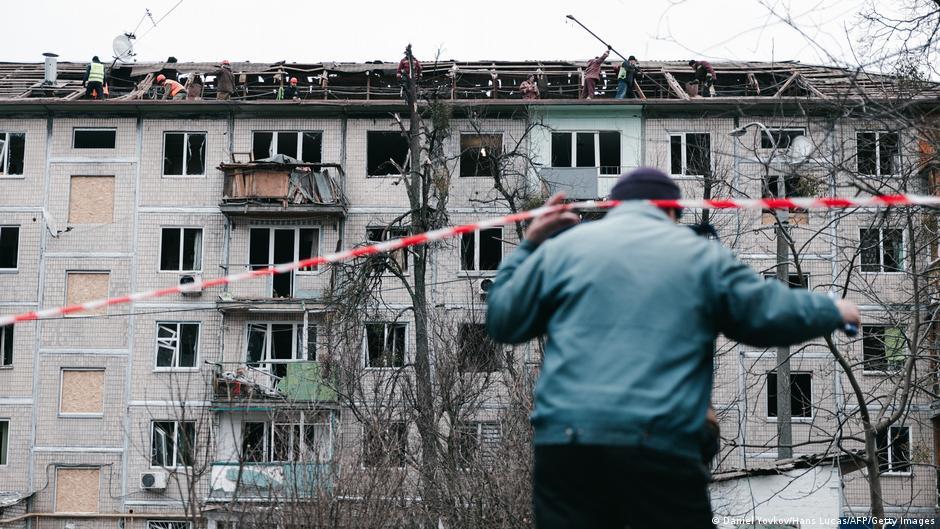
Ukrainian officials reported that more than 600 unmanned aerial vehicles and roughly three dozen missiles struck at least 13 regions, damaging civilian and energy infrastructure.
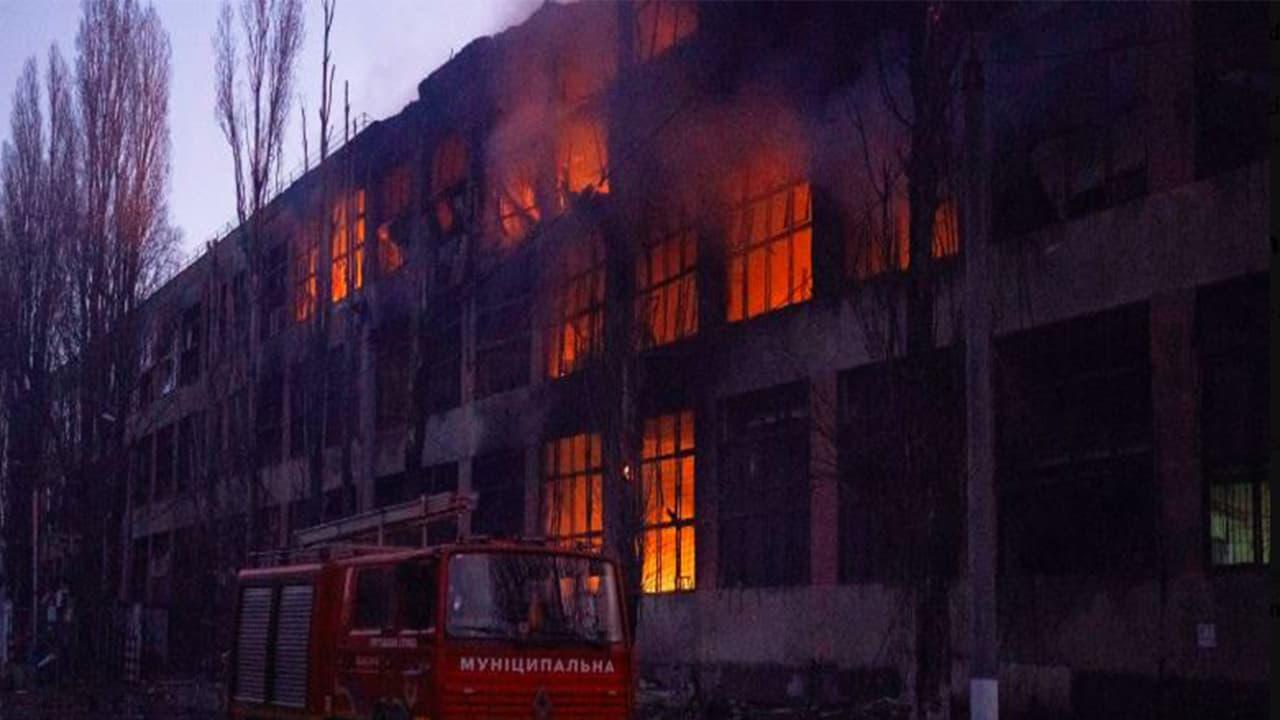
President Volodymyr Zelenskyy said the barrage, which included many Shahed-type drones, targeted the energy sector and the entire infrastructure of daily life and killed at least three people, including a four-year-old child.
Air-raid alerts and emergency responses were reported across multiple regions as authorities assessed damage to homes and public services.
Ukraine power grid damage
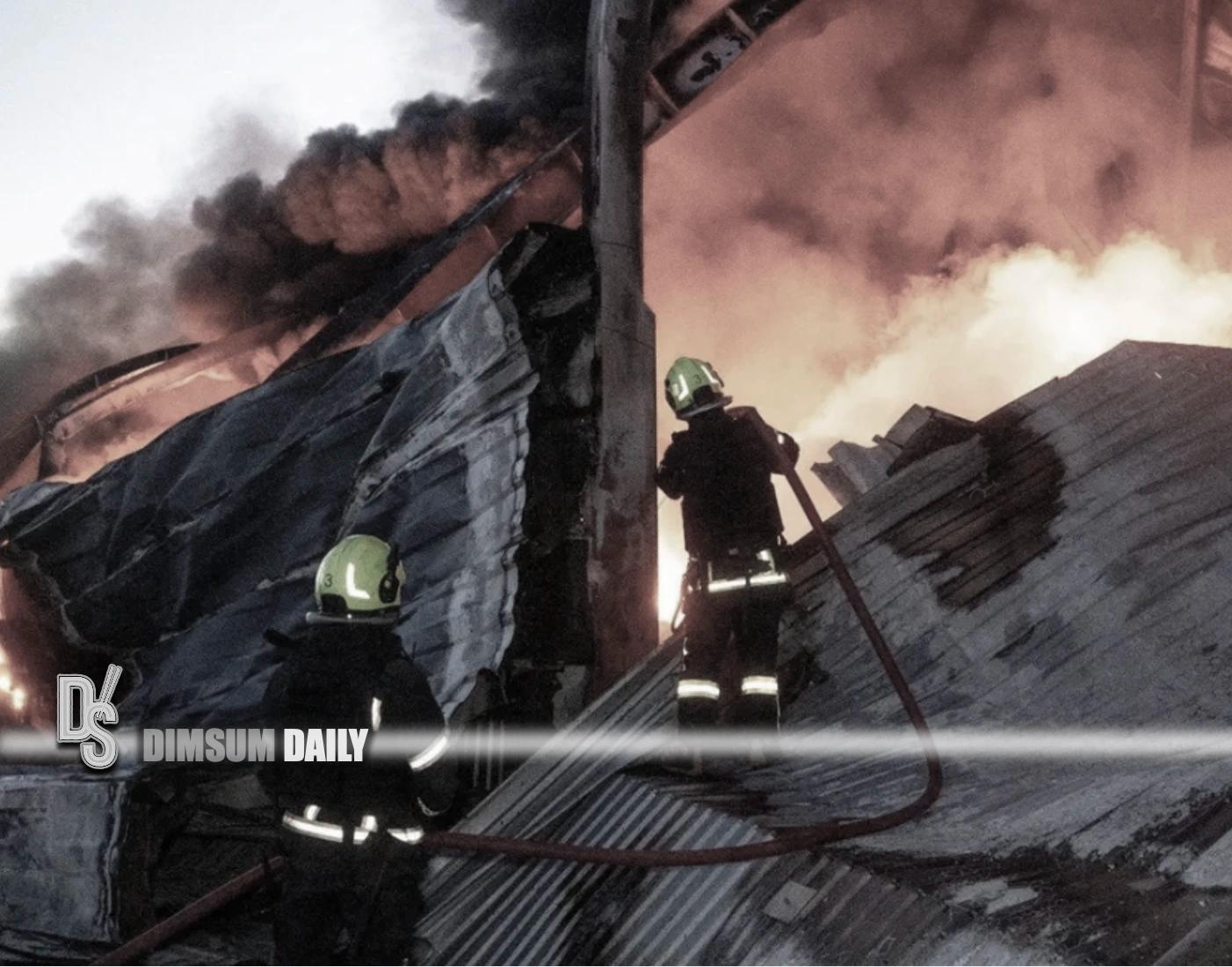
The strikes caused widespread damage to Ukraine's power grid and prompted emergency outages as temperatures fell toward freezing. Multiple outlets reported fires, infrastructure damage and rolling blackouts, while energy operators warned of targeted attacks on power systems; officials said repairs would begin once locations were declared safe. Local authorities and energy ministries described impacts across regions including Kyiv, Odesa, Khmelnytskyi and others, with many residents left without electricity and heating amid severe winter conditions.
Ukraine air-defence report
Ukraine’s air-defence forces and allied systems intercepted the bulk of the incoming weapons, with several outlets providing near-identical tallies of intercepted drones and missiles. Ukraine’s Air Force and Kyiv-based reporting said roughly 621–621 targets were neutralized, with figures such as '587 drones and 34 missiles' appearing across reports, and specific weapon types mentioned including Shahed drones as well as Kinzhal, Kh-101 and Iskander-K missiles. Some reports characterize this as one of the largest barrages since the early months of the conflict.
“635 drones and 38 missiles; 587 drones and 34 missiles were shot down or suppressed, but impacts were reported in 21 locations across at least 13 regions.”
Regional and NATO responses
The barrage prompted regional alerts and international responses: Poland scrambled jets to protect its airspace, Romania moved to heightened readiness in border counties, and NATO and European officials warned about the risks if allied support wanes.
Germany's foreign minister and NATO figures cautioned that a ceasefire would not eliminate the Russian threat and urged stronger defenses, including increased spending and troop deployments on NATO's eastern flank.
Media coverage of attack
Reporting diverges on context and secondary claims. Several outlets emphasize the attack’s timing, with Kyiv condemning it as coming before Christmas and while peace talks showed signs of progress. Some sources (RTE) link the strikes to recent US-hosted discussions and proposals.
“The strikes came after US-hosted talks in Miami involving separate Russian and Ukrainian delegations and Trump envoys Steve Witkoff and Jared Kushner; officials described progress as slow but some proposals as ‘constructive.’”
Other coverage (Daily Express US and Daily Express-style tabloids) ties the barrage to a broader series of incidents, mentioning a suspected assassination in Moscow and Ukrainian strikes inside Russia. RTE also raised safety concerns at the defunct Chernobyl site after reported damage to sheltering structures. These differences reflect variances in editorial focus and what officials or local authorities each outlet chose to highlight.