Ukraine War13 January, 20262 min read
Russia Launches Heaviest Air Attack of 2026, Kills Four in Strikes on Kyiv and Kharkiv
This article is an automated aggregation of coverage from news outlets. Our editorials offer in-depth analysis curated by the NewsCord team.
Russian forces launched the most concentrated missile-and-drone barrage of 2026 across Ukraine. Russian strikes killed four and wounded six, hitting a Kharkiv children's medical facility.
6 outlets told this the same way.
Jan. 13 air strikes
On Jan. 13, Russian forces mounted what has been widely described as Russia’s heaviest air attack of 2026, striking Kyiv and Kharkiv in a large combined missile-and-drone assault that killed at least four people and wounded several others.
“On Jan. 13 Russian forces mounted a large combined missile-and-drone attack on Kharkiv and its outskirts, killing at least four people and wounding six, regional officials said.”
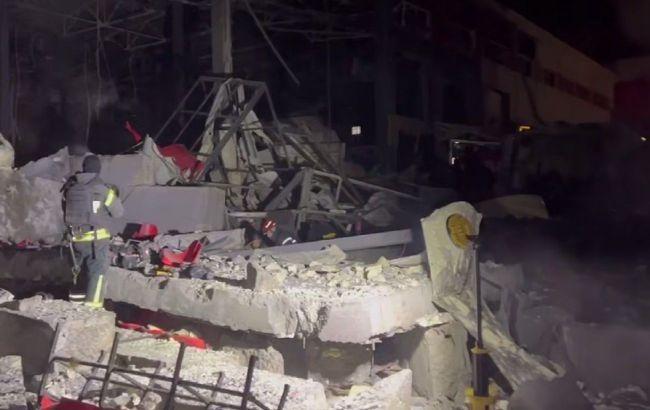
Local Ukrainian outlets reported extensive damage in Kharkiv, including a heavily hit Nova Poshta delivery terminal where emergency crews extinguished fires, cleared debris and evacuated the wounded.

International reporting tied the wave of strikes to a broader set of incidents that also included drone hits on oil tankers at a Caspian Pipeline Consortium terminal, underscoring the attack's national and regional ripple effects.
The overall picture combines battlefield claims about weapon types and targets with on-the-ground emergency response and continuing investigations into the attackers and motives.
Kharkiv damage and rescues
In Kharkiv, The Kyiv Independent and RBC-Ukraine provided ground-level accounts. A Nova Poshta delivery/postal terminal in the suburbs suffered heavy damage and fires needed extinguishing. Emergency services evacuated and treated the wounded at the site.
RBC-Ukraine said rescuers saved 30 people at the damaged terminal, including two pulled from under rubble. Regional officials reported four dead and six injured.

Video and on-scene footage showed rescuers carrying injured people on stretchers. Local narratives emphasize civilian harm, infrastructure damage, and active rescue operations amid ongoing shelling.
Reported multi-vector assault
Reports vary in specificity but together depict a major multi-vector assault. Ukraine’s Air Force, cited by The Kyiv Independent, said Russia launched 18 ballistic missiles, seven cruise missiles and 293 Shahed-type drones. RBC-Ukraine described ballistic missile strikes on Kharkiv’s suburbs and Shahed drone hits in the city center.
“In the early hours of January 13 Russian forces struck Kharkiv’s suburbs with ballistic missiles and hit the city center with a Shahed drone.”
Al Jazeera highlighted Russia’s use of the Oreshnik missile and described it as only its second combat deployment. The outlet tied that particular strike to wider geopolitical messaging aimed at NATO and proposals for Western troop deployments.
Differences in media framing
The Independent reported drone strikes on oil tankers at a Caspian Pipeline Consortium terminal, introducing a distinct maritime-focused angle. It noted the attackers and motives remained unclear, and both the Ukrainian military and the Caspian Pipeline Consortium declined to comment. That maritime-focused reporting sits alongside local accounts of civilian casualties and damage in Kharkiv and Al Jazeera’s geopolitical framing.
Local Western outlets emphasize granular human impact and rescue operations. Western mainstream outlets highlight regional economic and infrastructure implications. West Asian reporting situates select strikes within broader strategic messaging.

Overlap and disputes in reporting
Across sources, there are clear overlaps and some disputes: The Kyiv Independent and RBC-Ukraine provide consistent casualty figures and descriptions of local damage. Al Jazeera relays Russian official claims about targeting an aircraft repair plant in Lviv and frames the Oreshnik missile's deployment as a warning to NATO, a narrative Kyiv denies and the US calls inaccurate.
“Russia's Defence Ministry said the strike disabled an aircraft repair plant in Lviv and framed it as retaliation for a foiled Ukrainian drone attack on a Putin residence — a claim Kyiv denies and the US calls inaccurate.”
The Independent underscores uncertainty about the attackers and motive for the Caspian tanker strikes. Taken together, these accounts show converging reports on human costs in Kharkiv but divergent emphases on broader strategic messaging and related incidents, leaving questions unresolved about attribution and motive.
