Ukraine War06 December, 20253 min read
Russia Launches Massive 653-Drone, 51-Missile Barrage and Destroys Fastiv Rail Hub
Russia launched 653 drones and 51 missiles in the overnight barrage Attack destroyed Fastiv railway hub, destroying station, depot, and suburban rolling stock
11 outlets told this the same way.
Outlets did split on Russian Attack Kills At Least 33 On Two Buses In Kramatorsk →
Drone and missile barrage
Overnight on Dec. 5–6, Russian forces launched a massive combined missile-and-drone barrage on Ukraine.
“Overnight into Saturday, Russia launched a large missile-and-drone barrage on Ukraine — using 653 drones and 51 missiles — as US and Ukrainian officials met for a third day of talks aimed at ending the nearly four-year war.”
Multiple sources reported 653 unmanned aerial vehicles and 51 missiles fired into Ukrainian airspace.
Ukrainian air-defence systems intercepted the majority of the attack while officials reported strikes and debris falling across numerous regions.
The New York Post described the incident as "using 653 drones and 51 missiles," and said Ukraine's air force reported shooting down or neutralizing "585 drones and 30 missiles."
UNITED24 Media similarly recorded "51 missiles and 653 unmanned aerial vehicles" detected by radar and said air defences "destroyed or suppressed 615 of them."
The BBC summarised: "653 drones and 51 missiles were fired (most were shot down)."
These reports place the strike among the largest recent aerial attacks on Ukrainian infrastructure and come as authorities nationwide issued air-raid alerts and reported impacts from debris and blasts.
Fastiv railway hub damage
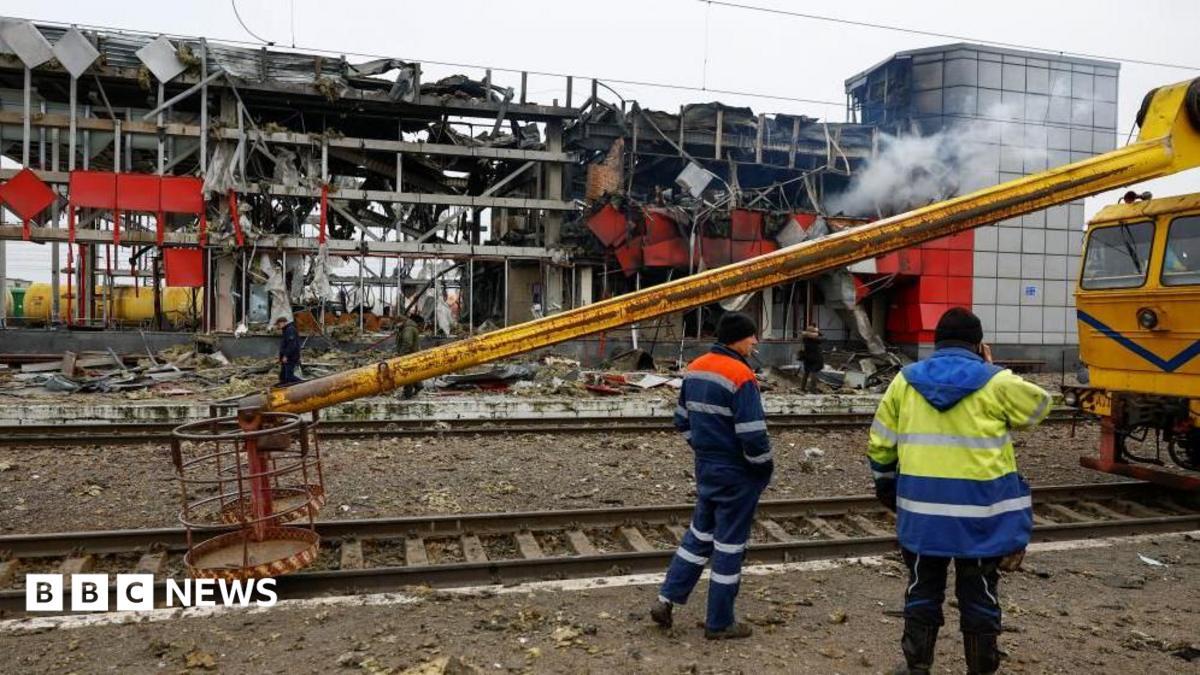
One of the most visible hits was to the Fastiv railway hub outside Kyiv. Several outlets reported heavy damage to station buildings, rolling stock and depot infrastructure. The BBC reported that a strike destroyed the main station building and damaged rolling stock.
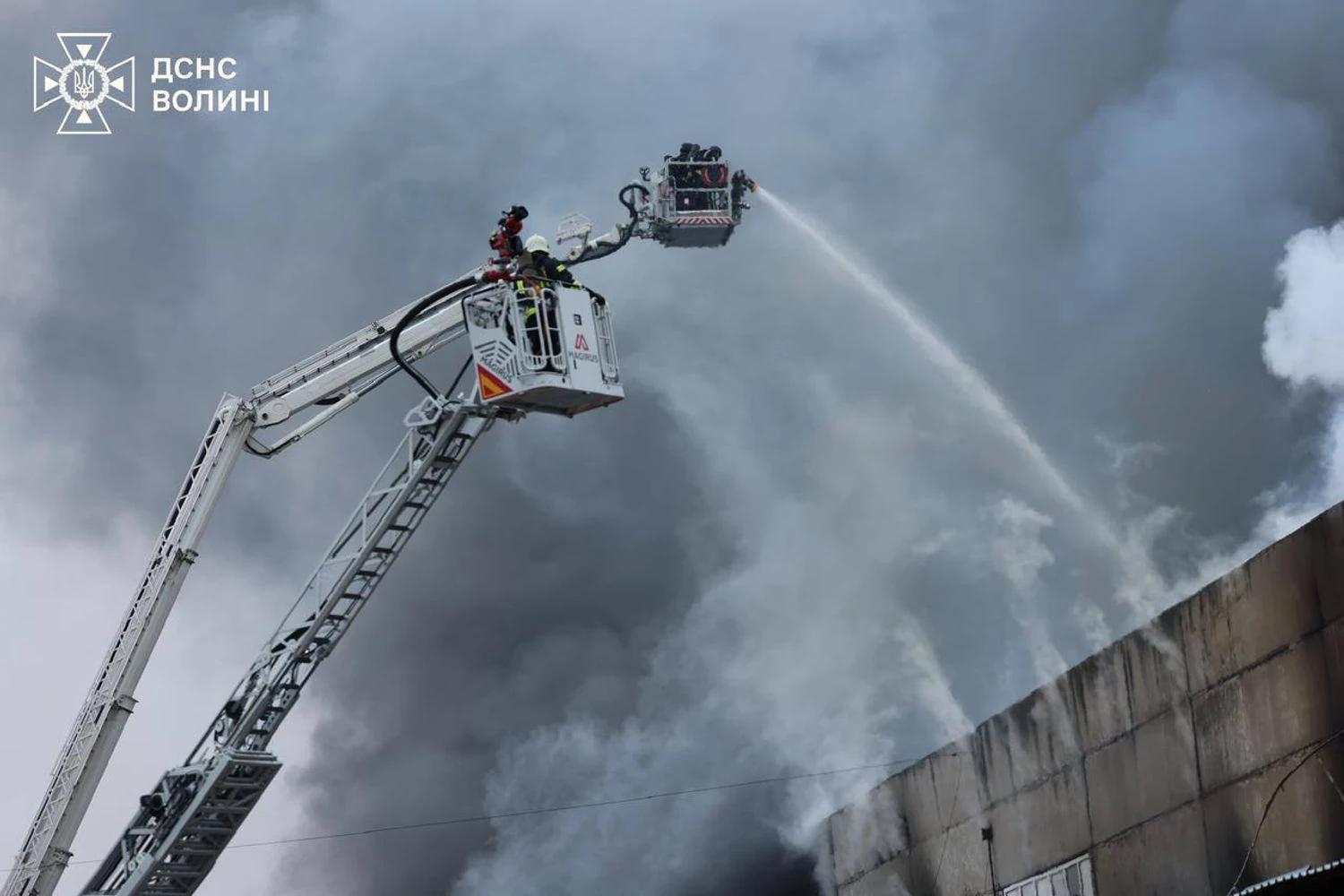
Liga.biz stated that a Russian drone strike completely destroyed the main building of Fastiv railway station. UNITED24 Media said the strike hit a railway station and a rolling-stock maintenance depot in Fastiv, sparking fires and major damage.

TRT World and the Daily Times reported depot damage, cancelled suburban services and disruption to freight traffic. Local emergency services and Ukrzaliznytsia reported fires, structural damage and cancellations to some commuter routes.
Damage to energy infrastructure
The strikes hit energy and logistics nodes across multiple regions, with official and independent outlets reporting damaged power facilities, blackouts and hits to storage warehouses. UNITED24 Media reported damage to power facilities in eight regions and blackouts in six. Ukraine's energy operator and the BBC said energy sites were targeted.
“Russian forces launched a large combined missile and drone strike on Ukraine overnight on Dec. 5–6, damaging power facilities in eight regions and causing blackouts in six.”
The BBC noted the UN watchdog reported the Zaporizhzhia nuclear plant briefly lost all external power, a repeated and serious risk. New York Post and Українська правда emphasized that energy infrastructure and residential buildings were among the targets.
Conflicting casualty reports
Reports vary on civilian casualties and injuries. Several outlets give differing counts for wounded people and describe impacts differently by locality. New York Post said at least eight people were wounded, including three in the Kyiv region.
Українська правда likewise reported at least eight people were reported injured. UNITED24 Media and Odessa Journal reported lower, localized counts. UNITED24 noted at least three civilians were injured in the Kyiv region.

Odessa Journal said three people were injured in the region. TRT World and Daily Times, reporting on Fastiv, emphasized significant damage.
They noted emergency services reported no casualties from the depot and station strikes. The result is a picture of confirmed injuries but with inconsistent totals across reports.
Responses to Fastiv strike
The attack occurred as US and Ukrainian officials met for talks in Florida. Responses framed the strike variously as a large retaliatory operation, evidence of a broader campaign to degrade Ukraine's infrastructure, and as politically timed. The New York Post noted the barrage came "as US and Ukrainian officials met for a third day of talks," and the BBC recorded that "Moscow's defence ministry described the action as a 'massive strike' in response to alleged Ukrainian attacks on civilians."
“Overnight into Saturday, Russia launched a large missile-and-drone barrage on Ukraine — using 653 drones and 51 missiles — as US and Ukrainian officials met for a third day of talks aimed at ending the nearly four-year war.”
President Zelensky called the Fastiv strike "meaningless from a military point of view," according to Liga.biz. UNITED24 Media and other Ukrainian outlets stressed that air defences, electronic warfare, and mobile teams helped counter the attack, while the BBC and Ukrainian officials urged faster international pressure on Russia. This mix of reported motives, defensive claims, and calls for international action underscores differing focuses by outlets, from geopolitical context to tactical response.
