Ukraine War06 December, 20252 min read
Russia Launches Massive Overnight Assault on Ukraine With 653 Drones and 51 Missiles, Strikes Fastiv Railway Hub
Russia launched 653 drones and 51 missiles overnight. Ukrainian defenses shot down or neutralized 585 drones and 30 missiles.
46 outlets told this the same way.
Outlets did split on Russian Attack Kills At Least 33 On Two Buses In Kramatorsk →
Dec. 5–6 attacks on Ukraine
On the night of Dec. 5–6, Russia launched a massive multi-directional missile-and-drone assault across Ukraine that struck transport, energy and residential targets in multiple regions.
“Russia launched a massive overnight missile-and-drone barrage on Ukraine while talks over a US-mediated proposal to end the nearly four-year war continued for a third day. Ukraine’s air force said Russia used about 653 drones and 51 missiles; Ukrainian forces shot down or neutralized roughly 585 drones and 30 missiles, but 29 locations were hit and at least eight people were wounded. Strikes damaged energy infrastructure, including power stations, and drone sightings reached as far west as Lviv.”
Ukraine’s air force reported that Russia used roughly 653 drones and 51 missiles in the barrage.
Other assessments described the salvo as among the largest attacks in months and said it hit Kyiv and several oblasts, including Dnipropetrovsk, Chernihiv, Zaporizhia, Odesa, Lviv, Volyn and Mykolaiv.
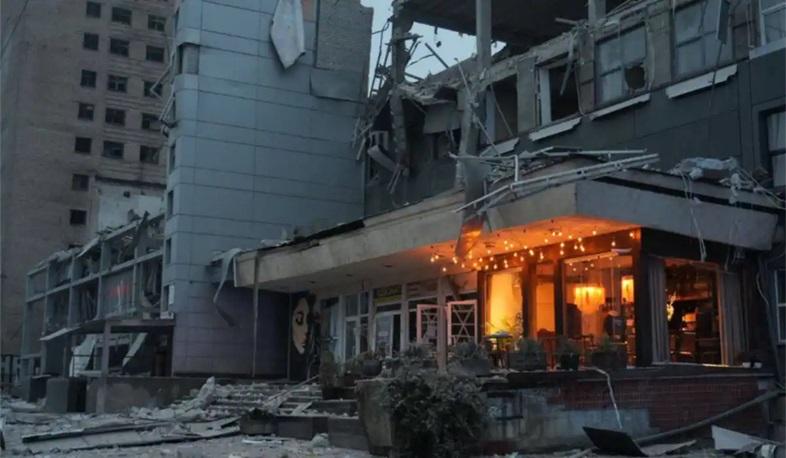
Authorities reported dozens of impacts across the country and at least eight people wounded as emergency services responded to fires and damage from falling debris.
Fastiv rail hub damage
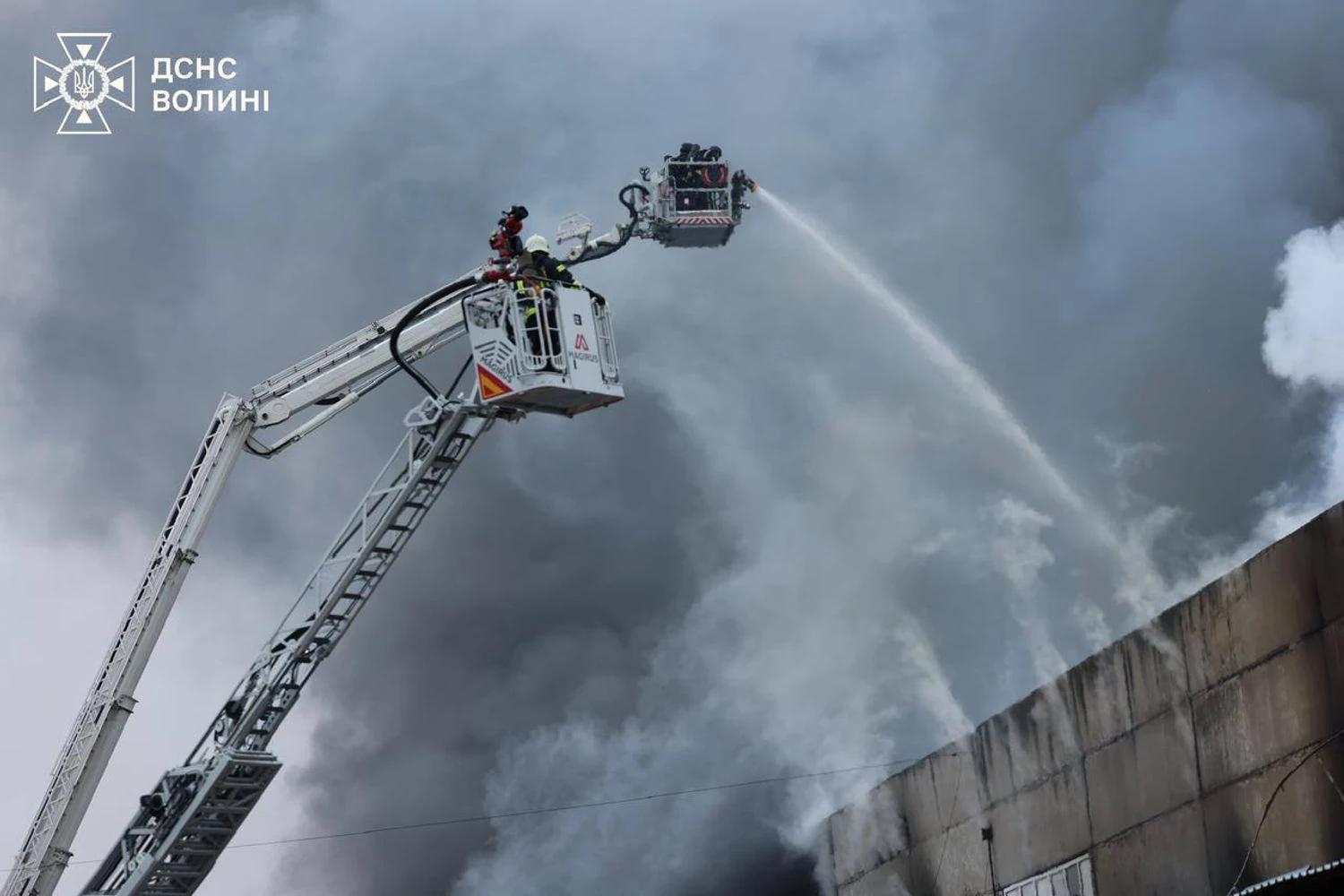
The Fastiv railway hub southwest of Kyiv was among the hardest-hit transport sites. Multiple local and regional outlets reported that the main Fastiv station building, the suburban electric-train depot and rolling stock were heavily damaged or burned.
Those reports added that several trains were set ablaze. Ukrainian officials and local emergency services said the strike destroyed a major hub for long-distance and suburban services, forced suspension of some suburban train runs and prompted recovery and damage assessments.

Air-defence strike summary
Ukraine’s air-defence systems reportedly intercepted the majority of incoming munitions, with many outlets repeating Ukrainian figures that roughly 585 drones and about 30 missiles were shot down or neutralized. The Institute for the Study of War gave technical details, listing the types of incoming weapons: Shahed-type drones, Kh-47M2 Kinzhal aeroballistic missiles, and various cruise and ballistic missiles. It added that while most were intercepted, around 29 sites were nonetheless struck and debris or unexploded ordnance damaged civilian infrastructure.
“Ukraine reported its air defenses shot down the majority of the attack — roughly 585 drones, 29 cruise missiles and one ballistic missile — but some munitions and about 60 drones still struck targets (29 sites hit, debris at three more).”
Energy and utilities impact
The strikes caused serious disruptions to energy and public utilities; officials reported damage to generation, transmission and distribution facilities, rolling blackouts, and local water and heating outages. International reporting flagged specific consequences: Fox News and The Straits Times noted the Zaporizhzhia nuclear plant briefly lost external power before being reconnected, while RTE.ie and other regional outlets reported thousands in Odesa region lost heat and water. Ukrainian authorities said energy infrastructure was a primary target, and emergency services were engaged across dozens of sites, including large warehouse fires in Lutsk, Dnipro and Bila Tserkva.
Attack amid diplomatic talks
The assault occurred as U.S.-mediated talks and other diplomatic activity were underway. Multiple outlets reported U.S. special envoy Steve Witkoff and Jared Kushner were meeting Ukrainian negotiators, including Rustem Umerov, in Florida; some coverage called the talks constructive or said limited progress was made on a security framework while stressing that any meaningful settlement depends on Russia's willingness to de-escalate. Other outlets reported reciprocal strikes and accusations, including claims reported by some Russian channels and cited by a few outlets that Ukraine struck Russia's Ryazan oil refinery, illustrating competing battlefield claims and an active information environment.
“U.S. special envoy Steve Witkoff and Jared Kushner held ‘constructive’ talks with Ukraine’s senior negotiator Rustem Umerov and Ukrainian military leaders, who stressed any peace settlement must preserve Ukraine’s independence and sovereignty.”