Ukraine War19 November, 20252 min read
Russia Massacres At Least 25, Including Three Children, in Missile and Drone Barrage on Ternopil Apartment Blocks
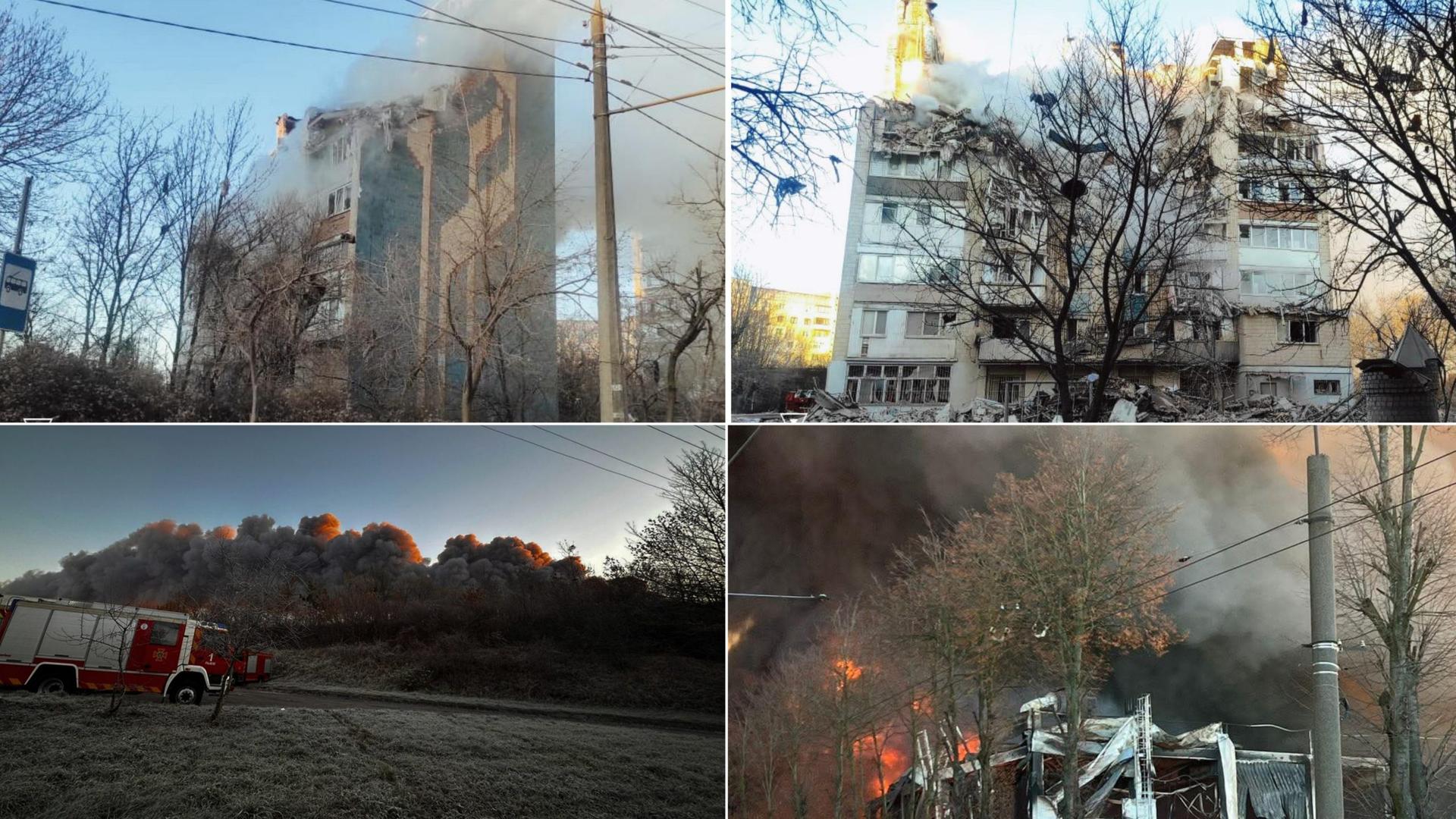
At least 25 people, including three children, were killed in Ternopil strikes. Two nine-story apartment blocks in Ternopil were hit, one partially collapsed.
18 outlets told this the same way.
Outlets did split on Russian Attack Kills At Least 33 On Two Buses In Kramatorsk →
Russian drone and missile barrage
A massive overnight Russian drone-and-missile barrage struck multiple regions of Ukraine, with some of the deadliest hits on the western city of Ternopil where two nine-story apartment blocks were struck. Ukrainian officials and President Volodymyr Zelenskyy said the assault involved more than 470 attack drones and about 48 missiles.
“President Volodymyr Zelenskyy said Russia used more than 470 drones and 48 missiles in the assault.”
The barrage triggered nationwide air-raid alerts and caused widespread fires and infrastructure damage. Emergency crews reported extensive search-and-rescue operations amid collapsing buildings, fires and power outages as national and regional authorities declared emergency responses.

Ternopil casualties and damage
Reports from Ternopil vary across outlets but converge on severe loss of life and heavy destruction. Multiple sources reported at least 25 dead, including three children, and dozens wounded after two high-rise residential blocks were struck. Many victims were trapped under rubble and large fires burned at the scenes.
Local emergency services and officials gave graphic accounts of victims and rescue efforts, and some reports said a large number of the dead had been burned. The destruction left parts of the city smoldering and prompted urgent calls for search-and-rescue and medical evacuation.

Widespread strikes and damage
The strikes were not confined to Ternopil: authorities reported attacks and damage in Kharkiv, Lviv, Ivano-Frankivsk, Dnipro and other regions, affecting energy and industrial infrastructure as well as residential areas. Ukrainian air defenses said they intercepted the majority of incoming weapons, with Kyiv reporting hundreds of drones and dozens of missiles were downed, yet strikes still damaged energy facilities, warehouses and transport infrastructure and caused power outages ahead of winter. Satellites, local governors and emergency services reported fires and destruction in multiple regional centers while rescue teams worked overnight.
“Sites in the Lviv region — an energy facility, a wood‑processing plant and warehouses (including tire storage) — were also hit and caught fire, with no deaths reported there.”
Regional and diplomatic reactions
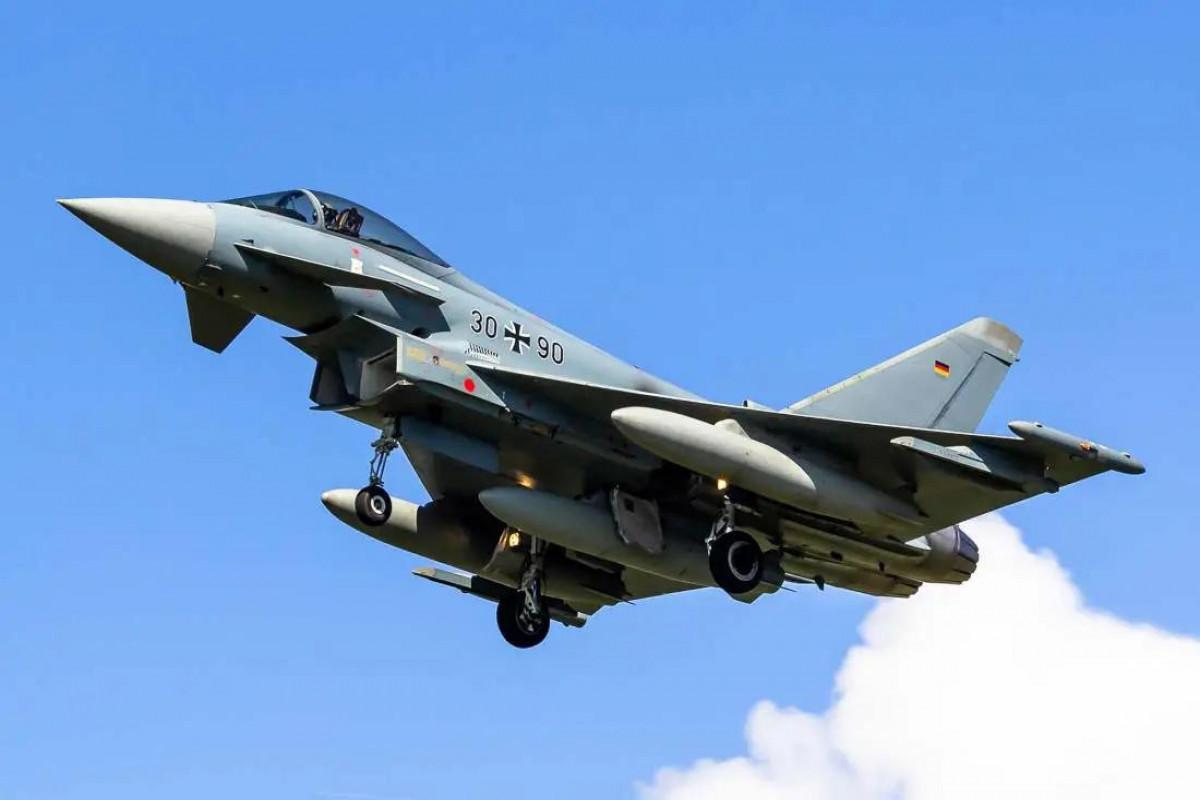
The attack produced immediate regional and diplomatic reactions. NATO members scrambled fighters and increased alerts after reported airspace violations and precautionary airport closures in Poland and Romania. Kyiv also lodged protests.
President Zelenskyy traveled to Turkey for talks seeking stronger sanctions and more air-defence support. Some reports highlighted confusion over whether a U.S. special envoy would join him. Moscow framed the strikes as retaliation and accused Ukraine of attacks on Russian territory, adding to a charged information environment.
Preliminary reporting overview
Reporting remains preliminary and sometimes contradictory; casualty and damage tallies differ across outlets and local authorities, and several outlets explicitly note that figures could change as rescue and forensic work continues. Some sources include broader military-technical details or OSINT claims, for example about destroyed drone warehouses or the types of munitions used, that others omit, producing varied emphases across coverage. Given these inconsistencies, the overall picture is of a large, multi-region assault with severe humanitarian and infrastructure consequences, but precise tolls and assessments remain subject to confirmation.
“Key points - Ternopil was heavily hit: nine‑storey residential blocks damaged, fires and people reportedly trapped under rubble. Official casualty figures varied (one report: up to 20 dead and 66 injured; a later update: 10 dead and 37 injured, including 12 children).”