Ukraine War19 November, 20252 min read
Russia Massacres Nine in Overnight Drone-and-Missile Strike on Ternopil Apartment Blocks
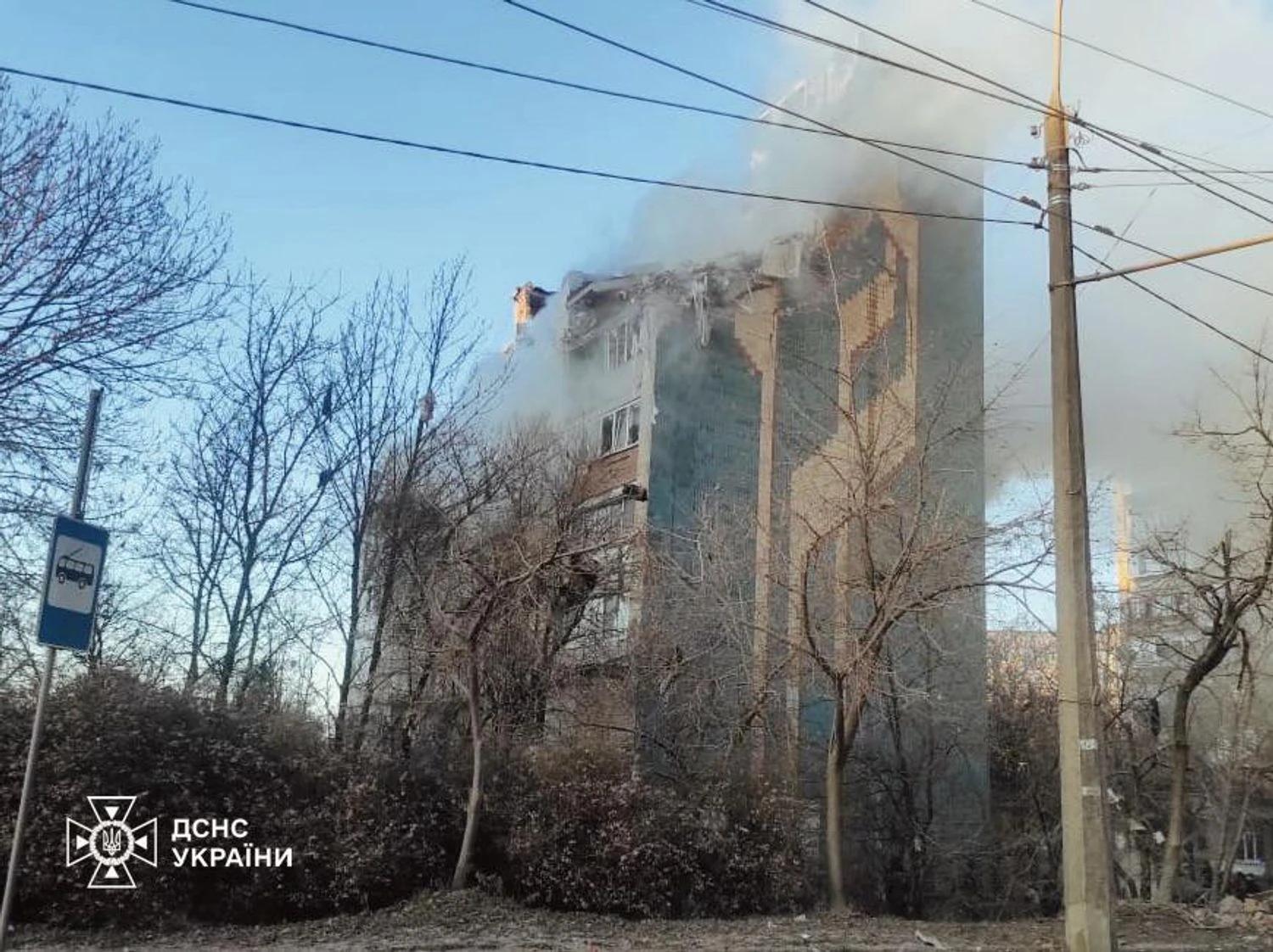
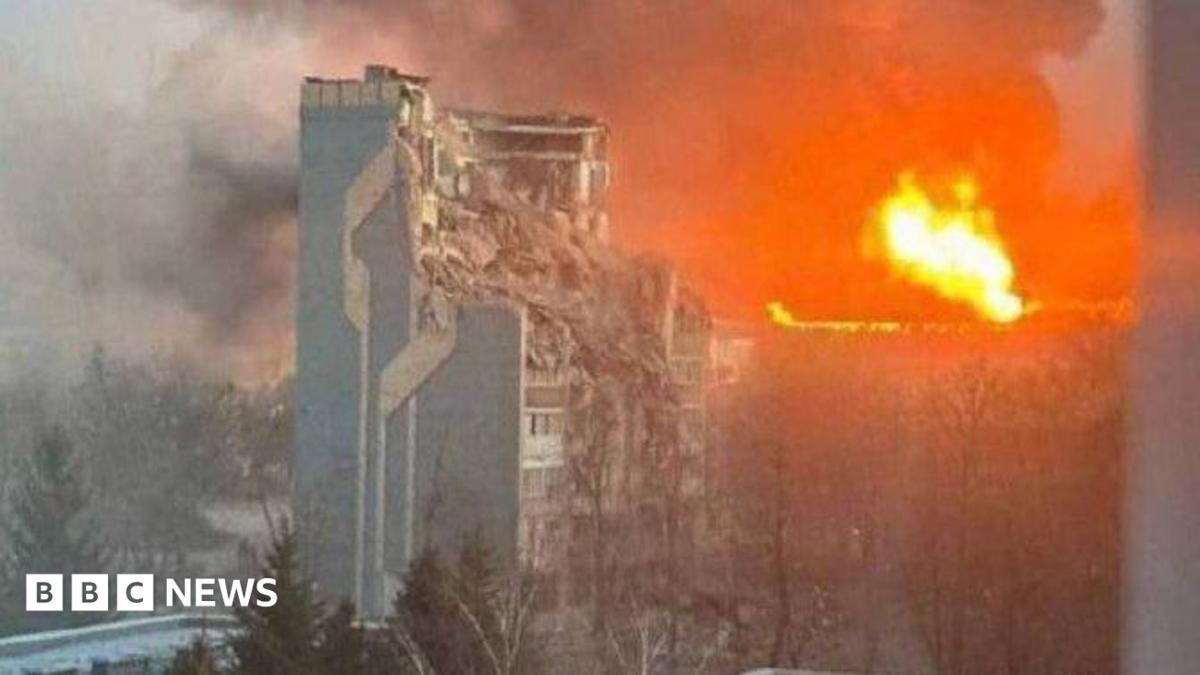
Russia launched over 470 drones and about 48 missiles at Ukraine overnight. Nine people were killed and dozens wounded after nine-story apartment blocks in Ternopil were hit.
10 outlets told this the same way.
Outlets did split on Russian Attack Kills At Least 33 On Two Buses In Kramatorsk →
Nov. 19 Ukraine attacks
In the early hours of Nov. 19, Russian forces launched a broad overnight assault across Ukraine.
“Nine people were killed and dozens wounded after Russian strikes hit the western Ukrainian city of Ternopil early Wednesday, President Volodymyr Zelensky said.”
The attack killed nine people in the western city of Ternopil after multi-storey apartment blocks were struck and wounded dozens more, according to Ukrainian officials.
President Volodymyr Zelenskyy reported the deaths and widespread injuries as emergency crews worked at scenes of "significant destruction."
Authorities said rescue teams feared people remained trapped under rubble.
Officials described the barrage as among the deadliest attacks on western Ukraine since the full-scale invasion began in 2022.
They also said strikes damaged energy and transport infrastructure across multiple regions.
Strikes, damage and casualties
Ternopil was hardest hit when nine‑storey apartment blocks were struck and caught fire. Search-and-rescue teams scoured rubble for victims, and officials cautioned that casualty figures could rise as teams continue to work. Kharkiv and other cities suffered heavy drone and missile strikes, with districts seeing burning buildings, damaged apartment blocks, and dozens injured, including children.
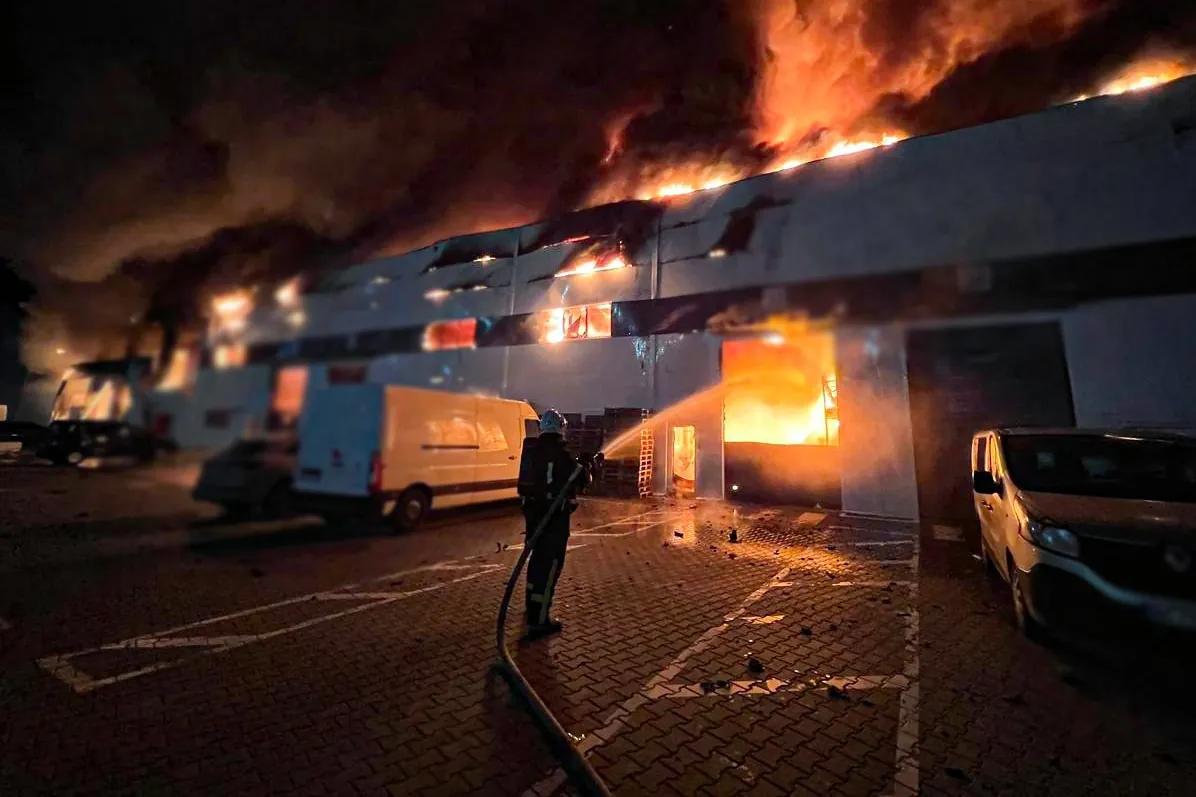
Lviv and Ivano‑Frankivsk experienced hits to energy facilities and industrial sites, leading to power outages and transport disruptions. Emergency services reported damaged ambulances, schools, and public transport vehicles in several urban areas, compounding the humanitarian emergency.
Summary of missile and drone attack
Ukrainian authorities said the assault involved an extraordinary volume of weapons: more than 470 attack drones and roughly 47–48 missiles of various types, including cruise missiles and Iranian-made Geran-2 loitering munitions. Some sources emphasize that the strikes included cruise missiles and Geran-2 drones; others reported Ukraine had earlier used U.S.-supplied ATACMS against targets inside Russia and quoted Russia's defense ministry saying some missiles were shot down. Precise counts vary slightly between outlets, but most agree the attack was large-scale and coordinated across regions.
“Overnight Russia launched a large assault—Ukraine said more than 470 drones and 47 missiles.”
Aftermath and international response
The strikes prompted immediate diplomatic and operational ripples. Airspace alerts and temporary airport closures in neighboring countries were reported. Romania scrambled fighters after a drone crossed into its airspace.
Poland briefly closed then reopened two regional airports amid increased military aviation activity. In Ankara, President Zelenskyy, speaking from Turkey, called for tougher sanctions and more military aid. The Kremlin said no Russian representative would participate in peace talks.
Several countries announced or discussed additional assistance for Ukraine. Spain pledged new financial and material support for defensive equipment and likely air-defence funding.
Coverage by outlet type
Coverage varies by outlet type and focus. Western mainstream outlets such as the BBC and El Mundo concentrate on casualty counts, cross-border incidents, and government reactions. Local Western outlets like okaynews and EU Today emphasize immediate humanitarian needs and blackout risks.
“Ukrainian officials warned that repeated strikes on power generation and transmission facilities raise the risk of prolonged blackouts in the coming months.”
Other outlets focused on Ukraine, for example UNITED24 Media and Interfax-Ukraine, provide detailed lists of damaged civilian sites and specific casualty and injury tallies. Numbers and emphases differ slightly between reports; for example, counts often vary between 47 and 48 missiles.
Some pieces include quoted statements from officials, such as Zelensky and the Russian defense ministry, rather than editorial assertions. These differences shape how readers perceive the event's scale, the human cost, and the international response.