Ukraine War10 December, 20252 min read
Russia Masses 156,000 Troops Near Pokrovsk
Fierce, grinding fighting persists in Pokrovsk under heavy Russian pressure. Ukrainian forces pulled back from positions five to seven kilometers from Pokrovsk.

13 outlets told this the same way.
Outlets did split on Russian Attack Kills At Least 33 On Two Buses In Kramatorsk →
Pokrovsk sector situation
Ukraine’s top commander, Oleksandr Syrskii, warned that Russian forces have massed roughly 156,000 troops in the Pokrovsk sector. He said recent rain and fog have been used by Russian forces as cover for operations. The buildup has prompted Ukrainian units to withdraw from hard-to-defend forward positions as the situation remains difficult.
“Day 1,385 (Dec. 10): Ukraine’s top commander, Oleksandr Syrskii, said Ukrainian troops holding parts of Pokrovsk were ordered over the past week to withdraw from hard‑to‑defend positions as the situation remains difficult. He warned Russia has massed roughly 156,000 troops in the area, using recent rain and fog as cover.”
Ukrainian commanders described the Pokrovsk area as a primary theatre of operations, with intense pressure on logistics and front-line units. The massing and tactical withdrawals reflect Kyiv’s attempt to avoid holding positions that cannot be rotated without risking soldiers’ lives while sustaining defensive capability around towns such as Myrnohrad and Pokrovsk.

Frontline situation in Pokrovsk
Frontline units and volunteer formations report Pokrovsk is under heavy pressure from a slow Russian push from the south. Ukrainian forces cling to the northern sectors up to a dividing railway line.
The city has been described as largely ruined after an extended battle. Troops report increased use of drones, many fitted with thermal cameras, which complicates movement, forces soldiers to shelter, and makes poor weather one of the few tactical advantages Ukraine can sometimes use to blunt aerial reconnaissance.

Disputed control of Pokrovsk
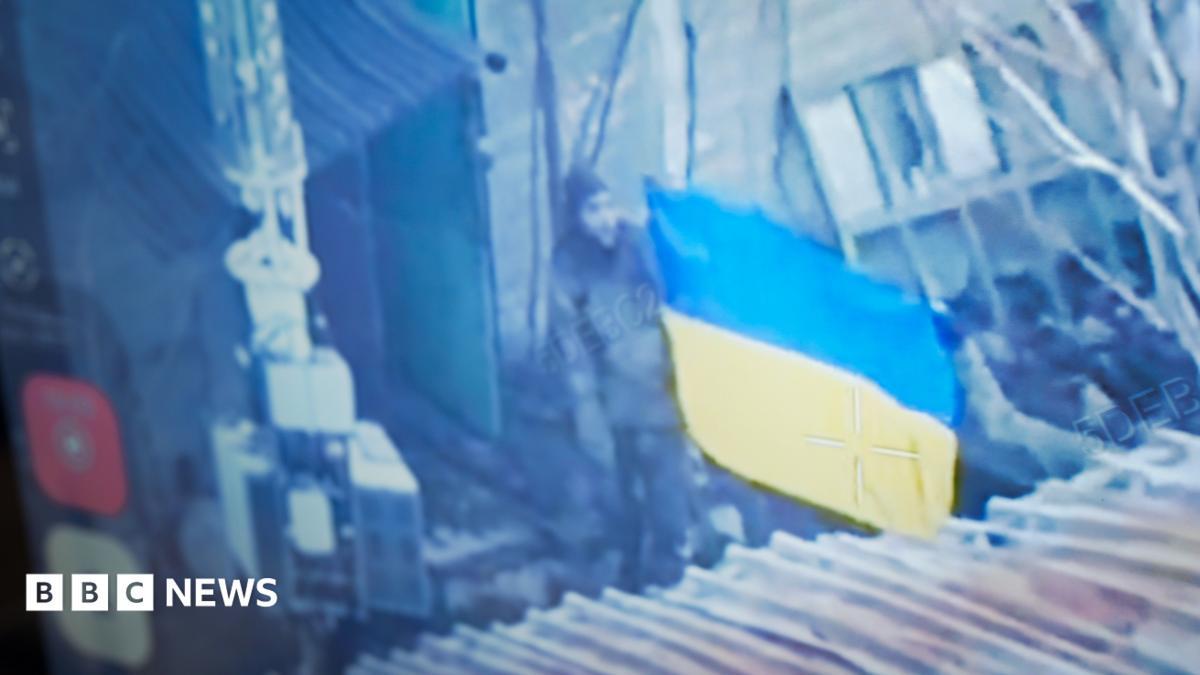
Moscow has publicly claimed control of large parts of Pokrovsk, releasing footage and flag imagery to support its assertions. Ukrainian officials and independent analysts have disputed those assertions, calling them exaggerated or propaganda. Ukrainian commanders say they have pulled back from positions 5–7 km from Pokrovsk that could not be rotated without unacceptable risk.
“Moscow has publicly claimed control of large parts of Pokrovsk (Putin and Chief of General Staff Valery Gerasimov made such assertions and showed staged flag footage), but Ukrainian officials and independent analysts (including the Institute for the Study of War) say those claims are exaggerated or false and likely propaganda.”
They also report continued counterattacks that have inflicted heavy Russian losses. This has created a contested information environment in which both sides release footage and statements aimed at morale, domestic politics and international audiences.
Battlefield claims and reporting
Ukrainian sources and partisan groups allege Russian attempts to conceal battlefield losses. Ukrainian commanders and analysts say Russia has moved operational reserves to intensify fighting. Kyiv officials claim heavy Russian casualties and destroyed armored vehicles, even as Moscow seeks to press an advantage through numerical superiority and KAB-guided aerial bombs in the sector.
The fog of war and mutual information operations make some claims difficult to independently verify. Reporting reflects a mixture of battlefield observation, partisan allegations and official statements.
Political and diplomatic context
The Pokrovsk fighting is linked to wider political and diplomatic anxieties. Analysts and Kyiv officials are alarmed by evolving U.S. settlement discussions that some fear resemble a 'Russian-dictated surrender plan', and concerns about leadership legitimacy and elections, voiced by Moscow and echoed by some foreign figures, complicate the diplomatic landscape. Ukrainian leaders are preparing peace and postwar reconstruction proposals and warn that rushed or unfair political moves during active combat would be impractical.
“Analysts and Kyiv officials are alarmed by US discussions of a settlement for the Ukraine war, warning that Washington’s evolving plan resembles a ‘Russian‑dictated surrender plan’ reportedly floated weeks ago.”
Opposition figures and lawmakers argue wartime elections would be effectively impossible or unfair. These broader debates shape how battlefield reporting and claims about places like Pokrovsk are received in international capitals.