Ukraine War18 February, 20263 min read
Russia Presses Kyiv Over Territorial Concessions, Zaporizhzhia Nuclear Plant Control in Second Day of U.S.-Mediated Geneva Talks
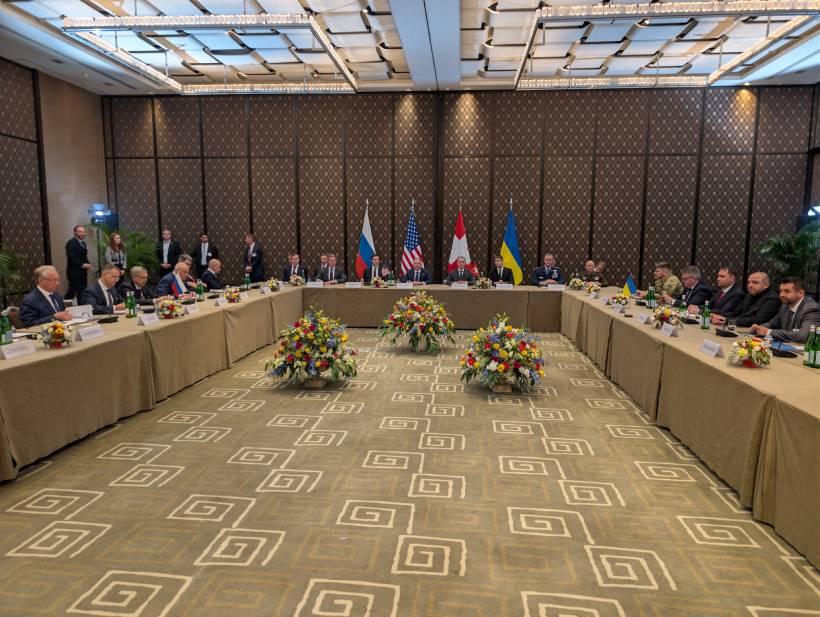
U.S.-mediated Geneva talks between Ukraine and Russia continued a second day Envoys called the negotiations difficult and ended without breakthrough
12 outlets told this the same way.
Outlets did split on Russian Attack Kills At Least 33 On Two Buses In Kramatorsk →
Geneva talks update
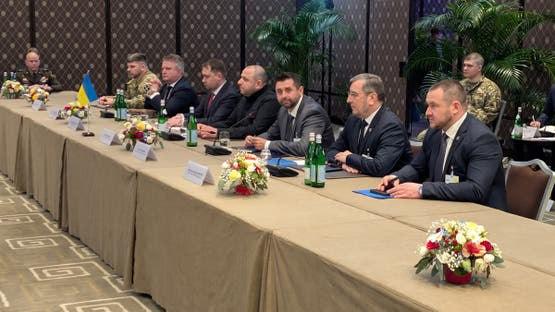
U.S.-mediated talks in Geneva between Moscow and Kyiv resumed for a second day under U.S. auspices and included trilateral and bilateral sessions with high-level envoys. Negotiators and U.S. officials described pockets of progress but provided few details. France 24 reported that both sides and U.S. officials said there was "progress."
The Independent said the meetings produced "substantive, business‑like progress on practical and humanitarian matters" despite a tense atmosphere and an abrupt two‑hour session. Kyiv’s delegation, led by Defense Minister Rustem Umerov, said discussions focused on "practical issues and the mechanics of possible decisions." Some Russian state outlets described the meetings as "very tense."

Territory in Geneva talks
Territory remained the core sticking point in Geneva, with Moscow pressing Kyiv over control of Donbas and Kyiv rejecting withdrawals as unacceptable. The Kyiv Independent said territory was the main obstacle and reported Kyiv’s insistence on freezing front lines for a ceasefire while Russia sought Ukrainian withdrawals from the Donbas.
Express & Star catalogued Moscow’s wide-ranging demands — including Kyiv renouncing NATO membership and withdrawals from occupied regions — and quoted Zelensky’s firm rejection of conceding land. Modern Diplomacy framed these positions within Kyiv’s domestic constraints, noting President Zelenskiy must preserve public support and demand referendums to approve any territorial concessions, which limits how much outside pressure can force rapid compromise.
Zaporizhzhia coverage debate
Control of the Zaporizhzhia nuclear plant emerged as a flashpoint. The Kyiv Independent reported Kyiv’s concern that a U.S.-backed proposal for joint operation by Ukraine, the U.S. and Russia could legitimize occupation, making the plant a major negotiation battleground. France 24 and other Western outlets reported broad involvement by European partners in the talks, which Kyiv said were essential for any lasting arrangement.
“Control of the Zaporizhzhia nuclear plant is another major flashpoint; a U.S.-backed proposal for joint operation by Ukraine, the U.S. and Russia worries Kyiv that it would legitimize occupation.”
Other coverage focused less on the nuclear site and more on territorial or humanitarian questions. The result is asymmetric coverage: some sources single out Zaporizhzhia as a major risk to Ukrainian security and sovereignty, while others emphasize process and humanitarian progress without detailing nuclear arrangements.
Negotiations on swaps and releases
The talks produced reported advances on practical and humanitarian mechanics, notably prisoner exchanges and civilian releases, even as fighting continued on the ground. The Independent said negotiators described progress on prisoner swaps and civilian releases.
The Daily Ittefaq quoted Rustem Umerov saying discussions addressed "practical issues and the mechanics of possible solutions," and noted drone and missile strikes hit multiple Ukrainian regions during the talks. Express & Star and France 24 recorded European involvement in Geneva and Kyiv’s insistence that European buy‑in is essential for any deal to hold.
Negotiations outlook
Officials and media described a mixed outlook, saying further rounds are planned but warning that core positions remain far apart and progress may be incremental. France 24 and The Independent reported that further talks were planned. Modern Diplomacy warned that reconciling international diplomacy with Ukraine’s domestic political constraints will limit rapid breakthroughs.
“Russia’s chief negotiator, Vladimir Medinsky, said further talks are planned.”
The Straits Times and AnewZ said outside actors, including U.S. envoys and public comments from Donald Trump urging rapid talks, influence market reactions and political calculations. Russian and Ukrainian delegations continue to trade military strikes even as negotiators remain at the table, underscoring how fragile any tentative gains are.