Full Analysis Summary
African Recruits in Ukraine Conflict
Ukrainian officials say Russia has recruited more than 1,400 Africans from about 36 countries to fight in its invasion of Ukraine.
Kyiv warns that many were lured under false pretenses and face extreme danger at the front.
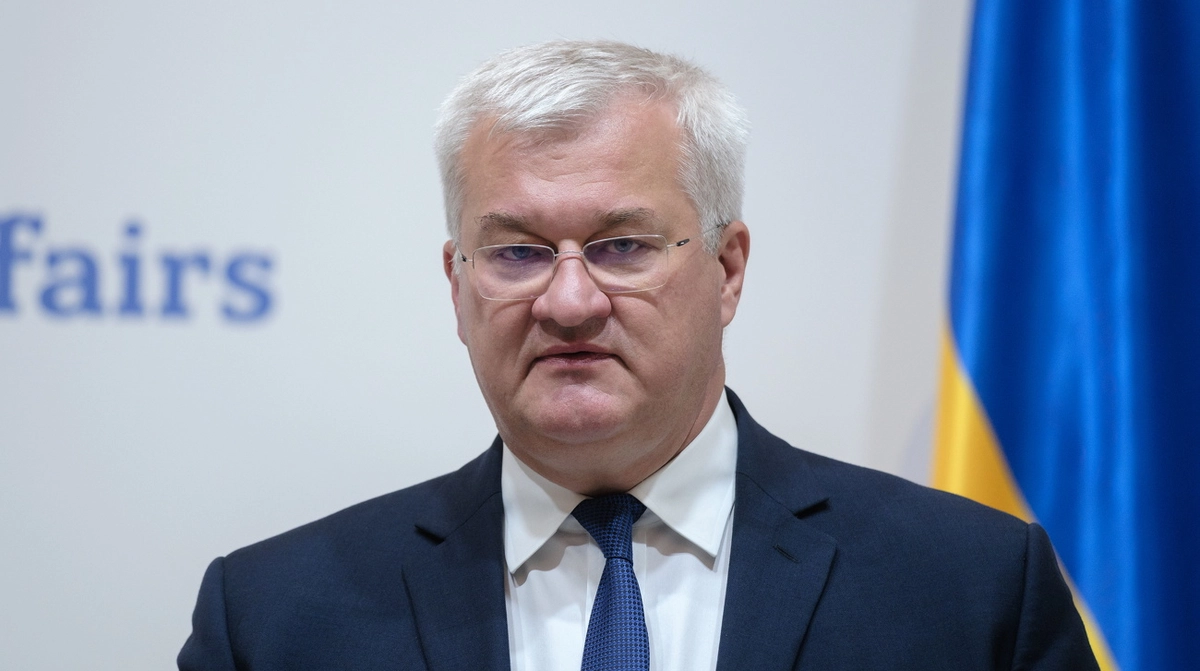
Interfax-Ukraine quotes Foreign Minister Andriy Sybiha saying at least 1,436 individuals from 36 African countries are currently fighting in the Russian army.
The Independent reports Ukrainian officials estimate over 1,400 African recruits from 36 countries, with most captured during their first combat mission.
El Mundo likewise reports over 1,400 fighters from about 36 African countries, often recruited under deceptive circumstances.
South Africa and Kenya are investigating cases related to these recruits.
India has confirmed 44 of its nationals serving in Russia’s army and is seeking their release.
Coverage Differences
Tone
Interfax-Ukraine (Other) presents a measured, official accounting that “at least 1,436 individuals from 36 African countries are currently fighting,” while The Independent (Western Mainstream) adopts a stark human-cost framing, describing a “grim fate” and “deadly ‘meat assaults.’” El Mundo (Western Mainstream) mirrors the numbers but adds diplomatic and cross-national angles, noting parallel probes by South Africa and Kenya and India’s confirmation of nationals in the Russian army.
Missed information
El Mundo (Western Mainstream) uniquely includes India’s acknowledgement that 44 of its citizens are serving in Russia’s army and that New Delhi is seeking their release, a detail not present in the Interfax-Ukraine summary or the specific points highlighted by The Independent.
Foreign Fighters Recruitment Risks
Kyiv warns that the recruitment pipeline relies on deception, coercion, or payments.
Once deployed, foreign fighters are treated as expendable and pushed into extremely lethal missions.
Interfax-Ukraine reports Sybiha’s warning that many are recruited through deception, coercion, or financial incentives.
Sybiha calls enlistment essentially a death sentence, with most surviving less than a month in combat.
The Independent highlights allegations of deadly 'meat assaults' and claims that many are captured during their first combat mission.
El Mundo reinforces the recruitment deception narrative and reports Ukraine’s warning to African governments about high casualties among foreign mercenaries.
Coverage Differences
Narrative
Interfax-Ukraine (Other) centers the official Ukrainian warning—deception, coercion, and a “death sentence”—and quantifies survival time, while The Independent (Western Mainstream) dramatizes the experience with the graphic phrase “meat assaults” and early capture. El Mundo (Western Mainstream) situates the casualty risk within a broader diplomatic warning to African governments.
Tone
Interfax-Ukraine’s (Other) institutional tone stresses policy guidance and risk quantification, whereas The Independent (Western Mainstream) uses emotive, vivid descriptors to convey the brutality of frontline assignments. El Mundo (Western Mainstream) is concise, emphasizing warnings and casualty rates without granular battlefield descriptors.
Government Responses to Foreign Fighters
Several governments are reacting to their citizens joining foreign military forces.
The Independent reports that South Africa is investigating how 17 of its citizens joined mercenary groups after they sought help to return home.
Kenya reported that some of its nationals were detained in Russian military camps after unknowingly becoming involved in the conflict.
Interfax-Ukraine says Kyiv is urging African governments to warn their citizens not to enlist in foreign forces.
El Mundo confirms the investigations in African countries and adds that India has also confirmed 44 of its nationals are serving in the Russian army.
India is seeking the release of its nationals and is urging its citizens not to join Russian forces.
Coverage Differences
Unique/off-topic
El Mundo (Western Mainstream) extends the story beyond Africa by adding India’s confirmation about 44 nationals in the Russian army and consular efforts to free them—specifics that Interfax-Ukraine (Other) and The Independent (Western Mainstream) do not provide in their highlighted points.
Detail emphasis
The Independent (Western Mainstream) emphasizes concrete on-the-ground consequences—Kenyan nationals “detained in Russian military camps” and the South African 17—while Interfax-Ukraine (Other) stays at the policy level, urging warnings to citizens. El Mundo (Western Mainstream) bridges both by noting African investigations and India’s parallel case.
Foreign Support for Russia
The Independent places the story of African recruitment within a broader context of foreign involvement supporting Russia.
It reports British claims that thousands of North Korean soldiers have died fighting for Moscow.
According to the British defense ministry, around 6,000 North Korean soldiers died fighting for Russia in Ukraine, especially in the Kursk region.
North Korea has supplied both weapons and troops to Russia.
Additionally, North Korea has started building a memorial in Pyongyang to honor its soldiers who died fighting alongside Russia.
In contrast, Interfax-Ukraine and El Mundo focus their coverage on African recruits and regional or diplomatic developments rather than on North Korean troop deployments.
Coverage Differences
Unique coverage
Only The Independent (Western Mainstream) in these snippets discusses alleged North Korean troop deployments and casualties, citing the British defense ministry and a memorial in Pyongyang. Interfax-Ukraine (Other) and El Mundo (Western Mainstream) focus on African recruitment figures and related diplomatic responses, without addressing North Korean involvement in the provided material.
International War Developments
El Mundo places the African recruitment trend amid a broader geopolitical and military backdrop.
It reports Belgium’s caution over using frozen Russian assets held at Euroclear.
There is a reduced Russian offensive near Pokrovsk due to heavy casualties.
The EU has imposed visa limits for Russians.
European leaders are pushing for rearmament.
Ukraine is conducting deep strikes.
Interfax-Ukraine focuses on Kyiv’s warning to African states.
The Independent highlights the human toll and the vulnerability of foreign fighters.
Together, these sources depict a widening international dimension to the war.
This includes targeted recruitment abroad, diplomatic friction over sanctions, and intensifying operations on multiple fronts.
Coverage Differences
Scope and emphasis
El Mundo (Western Mainstream) adopts a panoramic scope—sanctions, battlefield shifts, EU policy, and industry planning—while Interfax-Ukraine (Other) narrows to Ukrainian warnings about recruitment and casualties. The Independent (Western Mainstream) emphasizes personal risk and foreign-fighter experiences, including African and North Korean angles.