Ukraine War29 January, 20262 min read
Russia Returns 1,000 Ukrainian Soldiers' Remains in Latest Exchange
This article is an automated aggregation of coverage from news outlets. Our editorials offer in-depth analysis curated by the NewsCord team.
Russia returned 1,000 bodies identified as Ukrainian soldiers to Kyiv. Ukraine handed over 38 Russian servicemen's bodies to Moscow in the same exchange.
20 outlets told this the same way.
Outlets did split on Russian Attack Kills At Least 33 On Two Buses In Kramatorsk →
Exchange of battlefield remains
On Jan. 29, 2026, Russian and Ukrainian officials confirmed a bodies exchange in which Moscow returned the remains of 1,000 people it identifies as Ukrainian soldiers, and Ukraine acknowledged transferring 38 Russian bodies back to Russia.
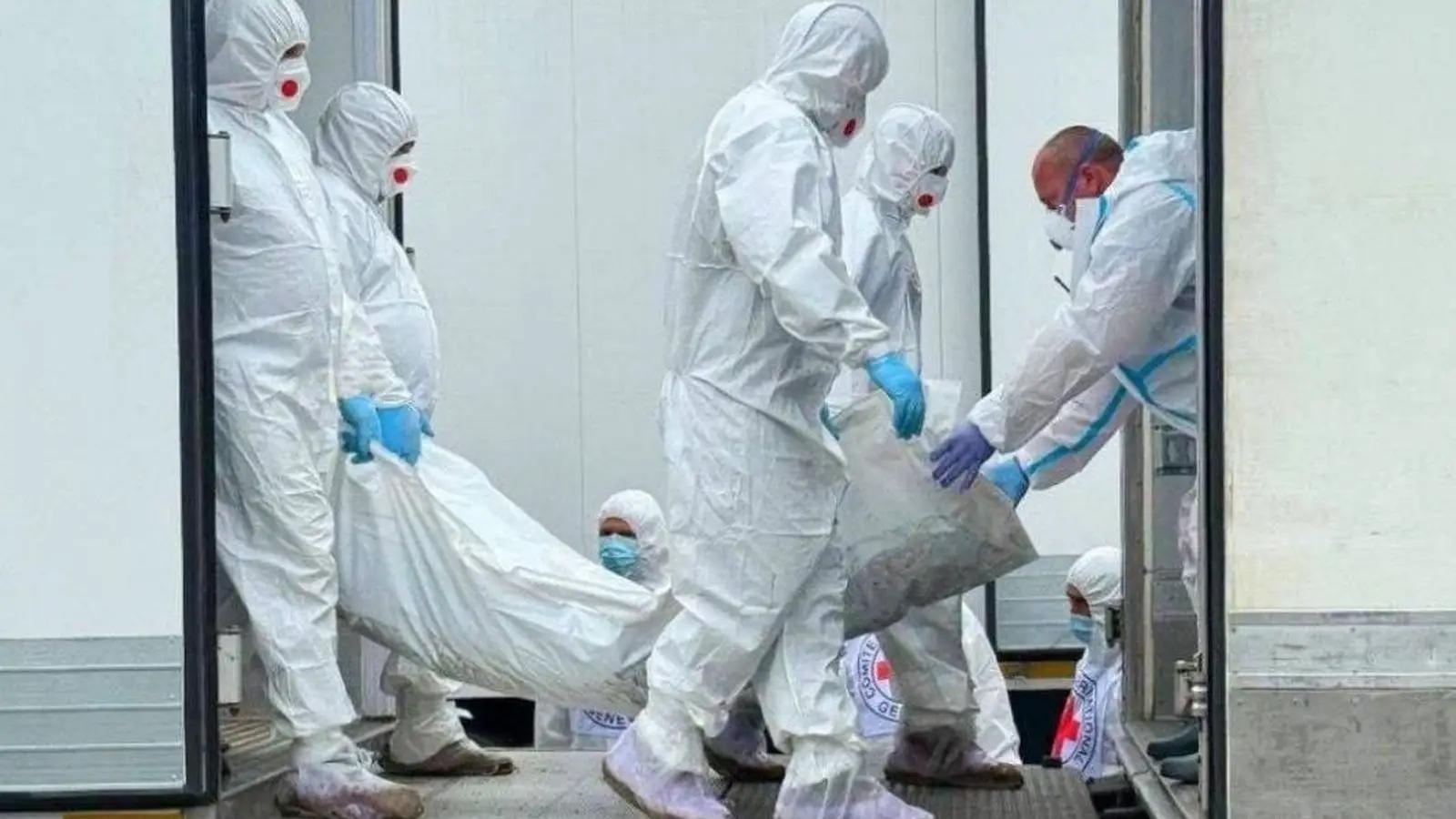
“Russia returned the bodies of 1,000 Ukrainian soldiers to Kyiv, Ukrainian officials said, while Moscow’s chief negotiator Vladimir Medinsky said Russia received 38 bodies in the exchange and posted a Telegram photo showing people in biohazard suits beside white refrigerated trucks.”
Ukrainian officials and Kremlin aides publicly confirmed the swap, and photos and social media posts showed personnel in protective suits and refrigerated trucks at the handover.
Multiple outlets presented the exchange as part of ongoing humanitarian dealings between the two sides amid the wider war.
Identification and Handover Details
Ukrainian officials said investigators and forensic teams will work to identify the deceased. They publicly thanked the International Committee of the Red Cross (ICRC) and other agencies involved in the operation.
Kremlin aides and Russian negotiators framed the transfer as part of the humanitarian mechanisms established in prior talks. Social media posts from Russian officials showed the logistics of the handover.

2025 exchange context
Journalists and analysts placed the exchange in the context of the 2025 Istanbul agreements and earlier repatriations, noting that the Istanbul talks set frameworks for prisoner swaps and returns of remains.
“The swap is one of thousands carried out during the nearly four‑year conflict and is part of the 2025 Istanbul agreement, which calls for returning the remains of 12,000 soldiers and repatriating all sick, severely wounded POWs and detainees under 25.”
Media outlets reported varying cumulative counts and offered different characterizations of how many bodies and prisoners have been exchanged under those deals.
Claims about returned remains
Beyond formal statements, some outlets reported disputes and unique claims about particular cases and identification processes. Kyiv-based group 'Want to Find' and other activist organizations cited in Ukrainian media alleged that some returned remains had been misattributed or that Russian authorities had previously sent certain Russian bodies to Ukraine instead of to families. This claim is not prominent in international reporting but does appear in Ukraine-focused pieces.
Diplomatic and humanitarian update
The exchange was reported alongside wider diplomatic activity, with outlets noting trilateral talks in Abu Dhabi. Reporters also highlighted continuing battlefield violence and worsening winter conditions that increase urgency for returns and the protection of civilians. Coverage varied on whether the swaps indicate broader cooperation or remain limited humanitarian channels amid stalled prisoner releases and unresolved territorial disputes.
“The handover comes amid worsening winter conditions in Ukraine, with forecasts of nighttime lows around −30°C (−22°F) and concerns that recent Russian strikes on energy infrastructure could leave millions without heat, power and water.”