Ukraine War30 December, 20252 min read
Russia Says Ukraine Launched 91-Drone Assassination Attempt on Putin's Novgorod Residence
This article is an automated aggregation of coverage from news outlets. Our editorials offer in-depth analysis curated by the NewsCord team.
Russian officials said 91 long‑range drones targeted the Novgorod residence and were intercepted Moscow warned it will harden its negotiating stance after the alleged strike
42 outlets told this the same way.
Outlets did split on Russian Attack Kills At Least 33 On Two Buses In Kramatorsk →
Drone strike on Putin residence
Russian authorities — led by the Defence Ministry, the FSB and senior officials — said late on Dec. 28-29 that air defences intercepted a large drone strike aimed at President Vladimir Putin’s residence in the Novgorod (Valdai) area.
“Russian officials said they downed 91 drones allegedly headed for the presidential residence, with 49 shot down over Bryansk, one over Smolensk and 41 over Novgorod.”
They reported that "91 long-range unmanned aerial vehicles" were intercepted and that there were "no injuries or damage reported."
Regional breakdowns in some Russian statements said 49 were shot down over Bryansk, one over Smolensk and 41 over Novgorod.
Kremlin spokesmen and Russia’s foreign minister framed the episode as a significant security incident, while Russian officials said they would not produce public evidence immediately.
Ukraine rejects Kremlin claims
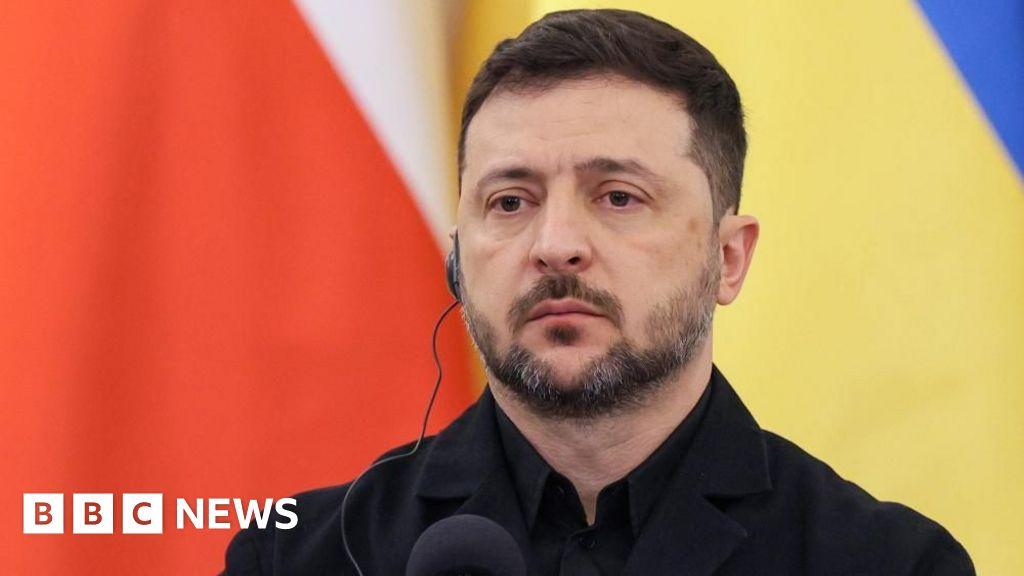
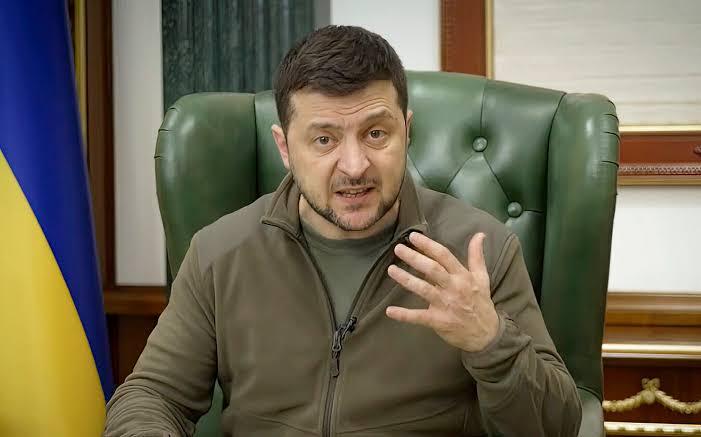
Kyiv and Ukrainian officials strongly rejected the accusation. President Volodymyr Zelensky and senior Kyiv ministers described the claim as fabricated and "typical Russian lies." Ukraine's foreign minister and intelligence services called the narrative baseless and part of an information operation.
Ukrainian sources and Western analysts pointed out the absence of publicly released wreckage, local corroboration, or open-source proof. Some Ukrainian intelligence outlets directly labelled the Kremlin story a coordinated disinformation campaign.

Diplomatic and military fallout
Moscow tied the allegation to immediate diplomatic and military consequences. Foreign Minister Sergei Lavrov labelled the episode 'state terrorism'. Russian officials warned they would toughen or revise their negotiating stance and reserve the right to retaliate.
“Foreign Minister Sergei Lavrov calling the incident ‘state terrorism.’”
Kremlin aides said targets in Ukraine had been identified. International responses were mixed, with some countries voicing concern or condemnation. France and other Western partners publicly said there was no solid evidence to corroborate Moscow’s account.
Kremlin claims scrutinized
Independent open-source checks and analysts highlighted gaps and inconsistencies in the Kremlin’s account. Journalists and investigators found no publicly available footage, no confirmed local witness reports or visible wreckage, and noted that Russian official counts and timelines shifted in early statements. The Institute for the Study of War and major Western outlets said the claim is unsubstantiated by open sources and pointed out that Russia has previously made wartime claims later questioned, raising doubts about the allegation’s veracity and possible motives.
Media coverage of allegation
Western mainstream and analytical sources emphasized the evidence gap and potential tactical motives for Moscow to fabricate a pretext. West Asian outlets highlighted the diplomatic fallout and the risk to talks.
“ISW judges Moscow may be using the claim tactically to justify rejecting or undermining recent U.S.‑led peace initiatives.”
Some pro-Kremlin and regional outlets relayed Russia's version and claims about intercepted drones and planned counter-measures. Observers pointed to prior incidents and the timing after high-level US-Ukraine talks as reasons the allegation could be aimed at undermining diplomatic progress rather than solely reporting battlefield events.