
Russia · 18 August, 2026 · 2 min read
Russia Sentences Yabloko Deputy Leader Lev Shlosberg to 11 Years in Prison
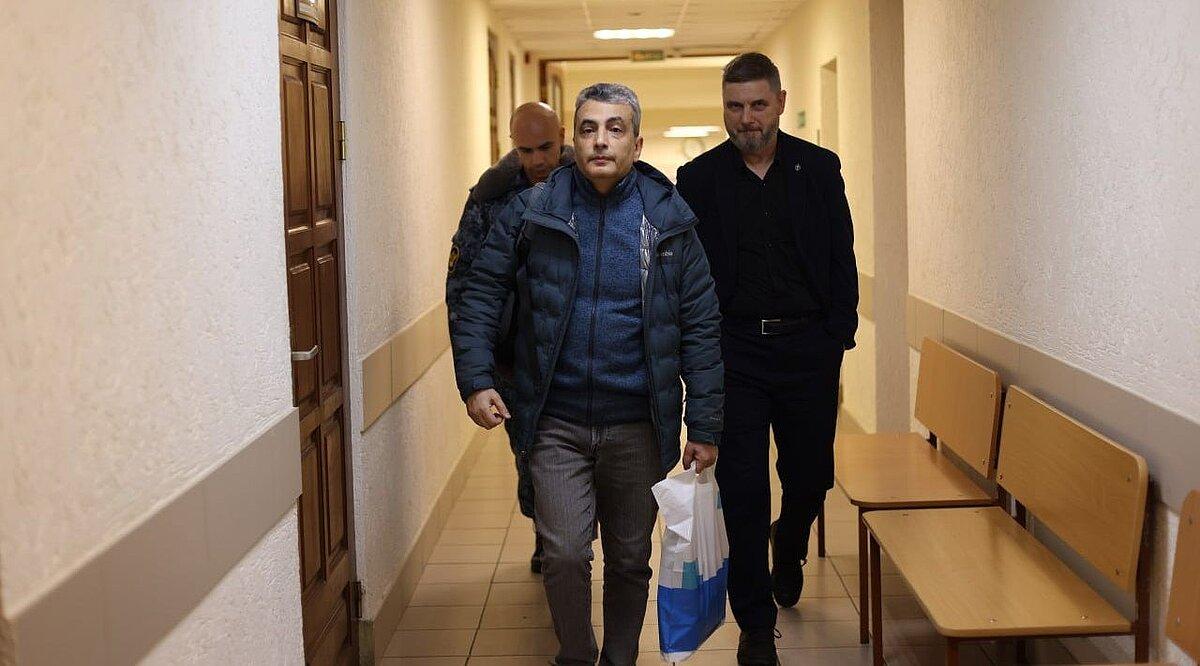
Lev Shlosberg, deputy chairman of Yabloko, sentenced to 11 years and one month. Convicted of discrediting the armed forces and spreading false information about them.
Whether Shlosberg was directly heard/processed in court proceedings.
10 of 12 outlets skipped it: charges combined penalties and included a prior foreign-agent conviction.
17outlets compared
Same story, two versions
tap a side to read it in full
Jurist.org
“Judge Malyamova concluded the judicial investigation phase without defense counsel present”Read the original ↗
The Moscow Times
“The military ‘fakes’ charge stems from a Feb. 25, 2022, Telegram post”Read the original ↗
Some accounts stress procedural irregularities; others focus on evidence and charges.
Shlosberg gets 11 years
A Russian court in Pskov sentenced Lev Shlosberg, deputy chairman of the Yabloko party, to 11 years and one month in a penal colony for repeatedly “discrediting” the Russian military and spreading “false information” about it. The sentence from a Pskov City Court judge combined penalties under Article 280.3 and Article 207.3, and it also factored in a prior November 2025 conviction under Russia’s “foreign agent” law that carried 420 hours of community service.
“I feel sorry for you, Your Honour, you have to live with this.”
Amnesty International said the punishment was “blatant reprisals” for exercising freedom of expression to call for peace, while Reuters described Shlosberg’s closing speech as a “catastrophe for Russia” and a repeated call for an immediate ceasefire. Shlosberg, 63, told the judge, “I feel sorry for you, Your Honour, you have to live with this,” after the court found him guilty of “public actions aimed at discrediting the use of the Armed Forces of the Russian Federation.”
Yabloko barred; protests
The sentencing arrived as Russia’s Supreme Court rejected Yabloko’s appeal of its removal from the September 20 State Duma ballot, with Reuters saying the verdict followed an August 10 decision to exclude Yabloko from taking part in a parliamentary election next month. Yabloko leaders Nikolay Rybakov and Grigory Yavlinsky called the ruling “the tragedy of the disintegration of modern Russian justice,” and they said the party would seek an end to Shlosberg’s prosecution by “all lawful means.”
Amnesty International’s Marie Struthers said Shlosberg’s “arbitrary prosecution and sentencing are blatant reprisals” and demanded his immediate and unconditional release, while El Confidencial quoted Ribakov saying the court “Ha sido una imitación de proceso judicial.” Reuters also reported that Shlosberg used his closing speech to deliver a “searing indictment of the war,” saying, “The lives of countless thousands of people have been cut short during this time.”
Pressure and legal stakes
Amnesty International said the Yabloko party’s disqualification from running in the September State Duma election was “further proof” that “political pluralism and anti-war expression have no place in Russia today,” and it demanded that Russian authorities “quash his conviction” and “end the persecution of Yabloko members and supporters.”
In its account of the trial, Reuters said Shlosberg was accused of discrediting Russia’s armed forces and spreading false information, and it tied the case to Russia’s laws passed after its full-scale invasion of Ukraine in February 2022 that prescribed long prison terms for “discrediting” the military or deliberately spreading false information.
The Moscow Times reported that the state prosecutors had sought 12 years and one month, and it said the military “fakes” charge stemmed from a Feb. T25, 2022 Telegram post that reshared content from the now-defunct Ekho Moskvy radio station.
As the legal pressure mounted, Amnesty International said Russia’s Supreme Court barred Yabloko from running in the next State Duma election on 10 August 2026, and it reported that at least 30 supporters were detained outside the Supreme Court in Moscow on the day of appeal hearing on 17 August.