Ukraine War01 February, 20262 min read
Russia Strikes Bus Carrying Miners in Dnipropetrovsk, Kills at Least 12
Russian drone struck a bus carrying mine workers in Dnipropetrovsk region At least 12 miners were killed and several others wounded
26 outlets told this the same way.
Outlets did split on Russian Attack Kills At Least 33 On Two Buses In Kramatorsk →
Drone strike on bus
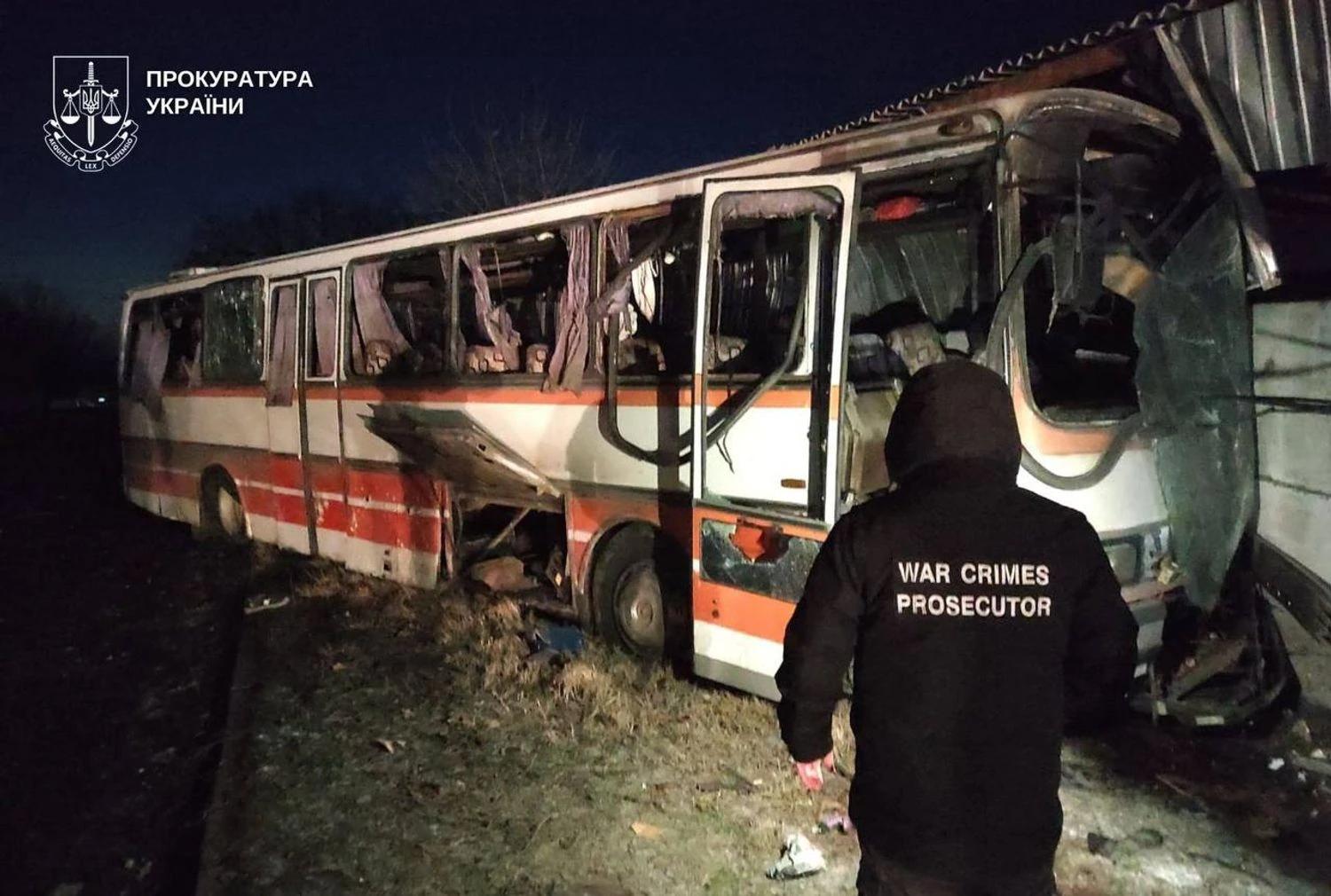
A Russian drone strike hit a bus carrying mine workers in Ukraine's Dnipropetrovsk region on Sunday, killing at least 12 people and injuring several others, Ukrainian officials and the victims' employer said. The vehicle was near Ternivka in Pavlograd district, roughly 65 km from the front line, and was carrying employees of energy firm DTEK returning from a shift.
“A Russian drone struck a bus carrying mine workers in Ukraine’s Dnipropetrovsk region on Sunday, killing at least 12 people and injuring seven, officials said.”
Photographs from emergency services showed the bus heavily damaged with shattered windows. Multiple outlets reported that the bus caught fire and was later extinguished by firefighters.

Shahed drone attack details
Reports indicate the attack was carried out with one or more Iranian-made Shahed-type attack drones. Ukrainian officials and some local sources described a sequence where a Shahed drone struck near or at a bus, forcing it off the road. At least one further unmanned aerial vehicle then targeted civilians and rescuers as they attempted to help the wounded.
Emergency services said a resulting fire was extinguished. Other local accounts mentioned multiple Shahed UAVs involved in strikes on mining infrastructure and a work bus during a shift change.

Attack on energy workers
Energy firm DTEK, which employed the victims, and Ukrainian officials described the attack as deliberate and targeted against energy-sector workers. DTEK called it a massive terrorist attack on its staff.
“DTEK’s CEO called the strike an 'unprovoked terrorist attack on a purely civilian target.'”
The country’s Energy Minister and other senior officials condemned the strike as cynical and targeted, calling it a deliberate hit on civilians working in the energy sector. President Volodymyr Zelenskyy and other leaders offered condolences and blamed Russia, saying the incident underlined Moscow’s responsibility for escalation.
Strike, diplomacy and attacks
A bus strike occurred amid broader diplomatic activity and contested claims of temporary pauses in strikes.
Reports said U.S. President Donald Trump told reporters that Vladimir Putin had agreed to suspend strikes on Kyiv and other cities for severe winter conditions.
The Kremlin confirmed a suspension until Sunday but provided few details.
Despite those claims, fighting and drone attacks continued in multiple regions.
Separate strikes on a maternity hospital in Zaporizhzhia wounded women.
Observers noted renewed U.S.-mediated talks in Abu Dhabi between Moscow and Kyiv were due to resume, but core territorial disputes remained unresolved.