Ukraine War12 December, 20252 min read
Russia Strikes Chornomorsk and Odesa Ports, Sets Turkish Cargo Ship Ablaze
Russian drones and ballistic missiles struck Chornomorsk and Odesa ports Three Turkish-owned commercial vessels were damaged; one Turkish car ferry was set ablaze

16 outlets told this the same way.
Outlets did split on Russian Attack Kills At Least 33 On Two Buses In Kramatorsk →
Odesa port attack summary
On Dec. 12, Russian strikes hit two Ukrainian ports in the Odesa region.
“Russia struck two Ukrainian ports on Friday, hitting three vessels owned by Turkish companies — including a ship carrying food supplies — Ukrainian officials and one owner said.”
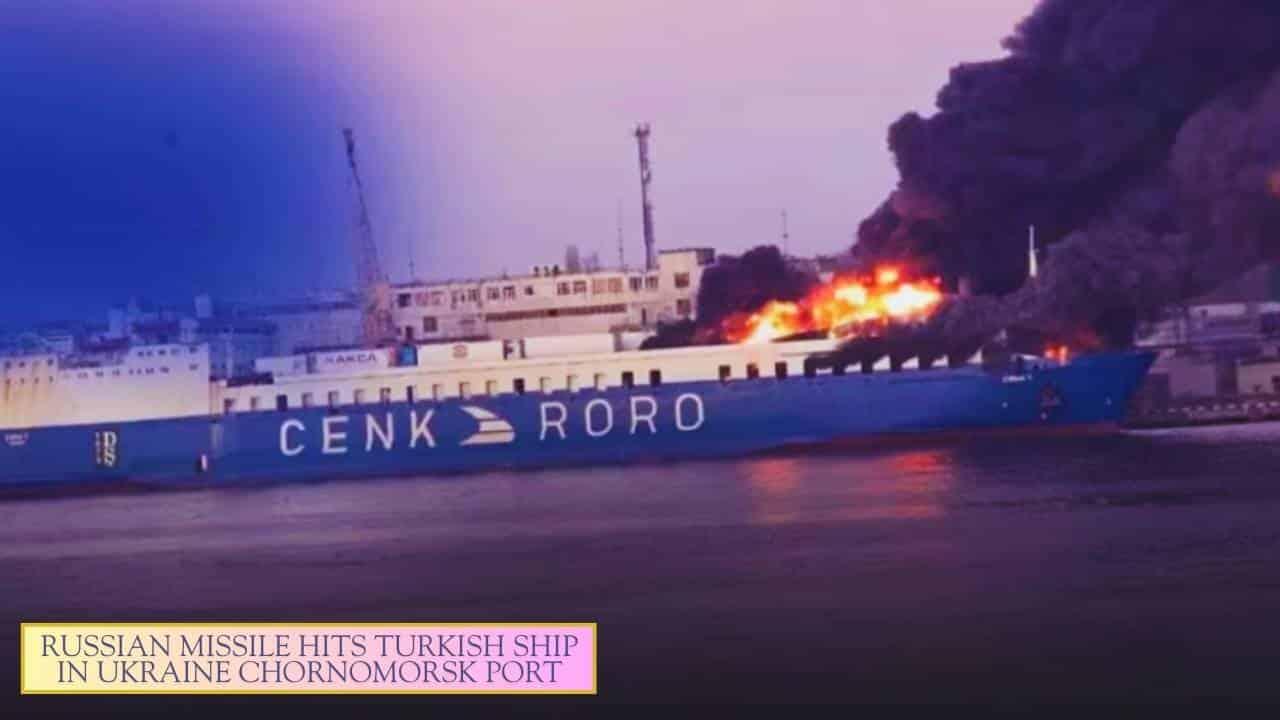
The attacks set a Turkish-owned car ferry ablaze at Chornomorsk, and Ukrainian officials plus a video posted by President Zelenskiy showed a large fire aboard the vessel identified as Cenk T (also reported as CENK Tin/CENK T/CENK Tin).

Ukrainian authorities said three Turkish-owned vessels were damaged in the attacks.
Multiple outlets reported the ship was struck shortly after docking and that firefighting teams and tugboats responded to contain the blaze.
The strikes coincided with wider missile and drone attacks on Odesa that damaged port equipment and infrastructure.
Strikes: reported weapons
Ukrainian officials attributed the strikes to a mix of drones and ballistic missiles. Deputy Prime Minister Oleksiy Kuleba said drones and ballistic missiles were used and called the strikes an attack on civilian logistics. Kathimerini cited a verified video and analysis by Fabian Hinz of the IISS that identified the weapon used on the Cenk T as a Russian Geran-2 loitering drone.
UNITED24 reported Ukrainian officials saying Shahed drones and ballistic missiles were involved and cited claims of an Iskander hit. Reuters-based reporting noted Ukraine's air force reported missile and drone attacks that day.

Odesa port strike impacts
The strikes caused damage beyond the ferry. Ukrainian officials reported hits to port infrastructure in Odesa and Chornomorsk, including damaged cargo-handling equipment and at least one injured private-company employee. The BBC said a later round of strikes cut power to thousands of homes.
“Ukraine’s deputy prime minister Oleksiy Kuleba said drones and ballistic missiles were used and called the strikes an attack on civilian logistics and commercial shipping; a separate strike on Odesa port injured one private company employee and damaged cargo‑handling equipment.”
Kyiv's ministers and restoration authorities framed the attacks as aimed at civilian logistics and commerce. They warned of wider impacts on grain and other exports that rely on the three main Black Sea ports in the Odesa region.
Maritime security concerns after attack
The incident prompted international concern about maritime security. Türkiye’s Foreign Ministry confirmed the Turkish-owned ship was attacked and warned of rising risks to navigation. President Erdoğan reportedly urged calm and proposed a limited ceasefire for ports and energy infrastructure in talks with Putin.
Wire services and analysts noted uncertainty about the vessel’s flag and whether the damage was a deliberate targeting of commercial shipping. Reuters-based reporting said it could not independently verify those details.
Ukraine-Russia maritime strikes
Observers placed the strike in a broader pattern of maritime tit-for-tat between Kyiv and Moscow. Several sources link the attacks to Kyiv’s recent drone strikes on Russia-linked oil tankers — the so-called "shadow fleet" — and Ukrainian responses this week reportedly included strikes on vessels and infrastructure in the Caspian Sea. At the same time, multiple outlets and analysts urged caution because some details remain unverified and Moscow had not publicly commented, leaving aspects of intent, weapon type and target selection ambiguous.
“More than 500 drones have been launched in recent salvos, turning the Black Sea into a contested battlefield where civilian ships such as the CENK T have been caught in the crossfire.”