Ukraine War28 January, 20262 min read
Russia Strikes Civilian Train in Kharkiv Region, Kills Five
A Russian attack drone struck a civilian passenger train in Kharkiv region near Yazykove. The strike killed at least five people and left several others wounded; DNA tests ongoing.
23 outlets told this the same way.
Outlets did split on Russian Attack Kills At Least 33 On Two Buses In Kramatorsk →
Kharkiv train attack
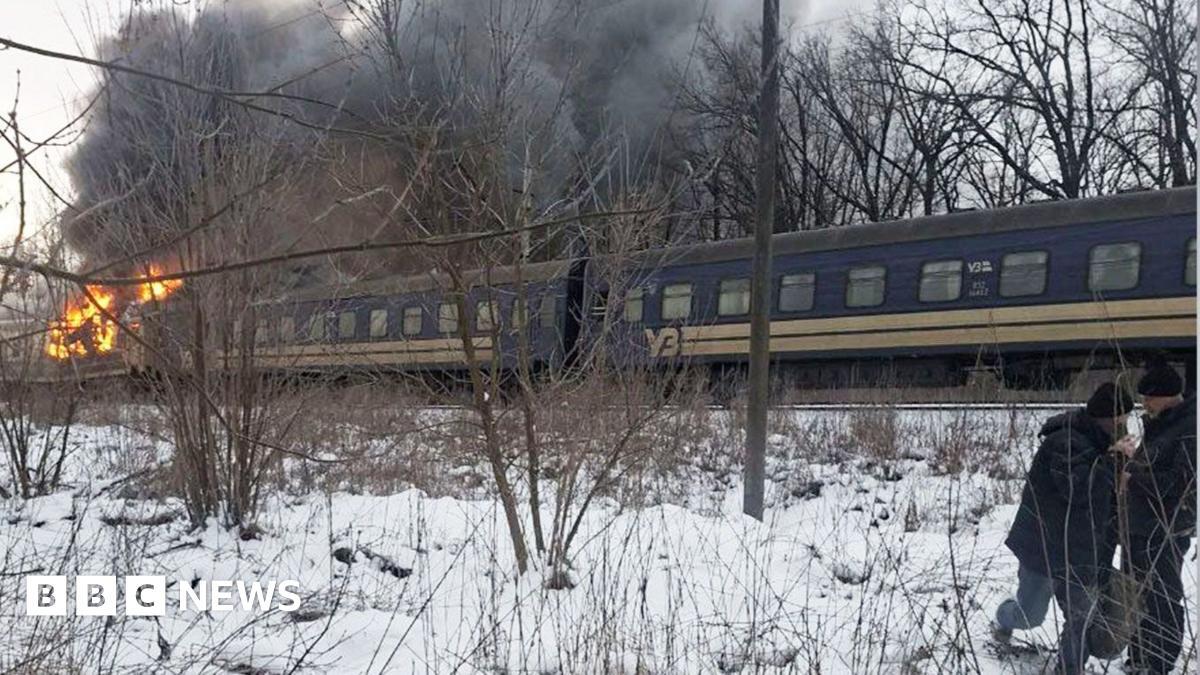
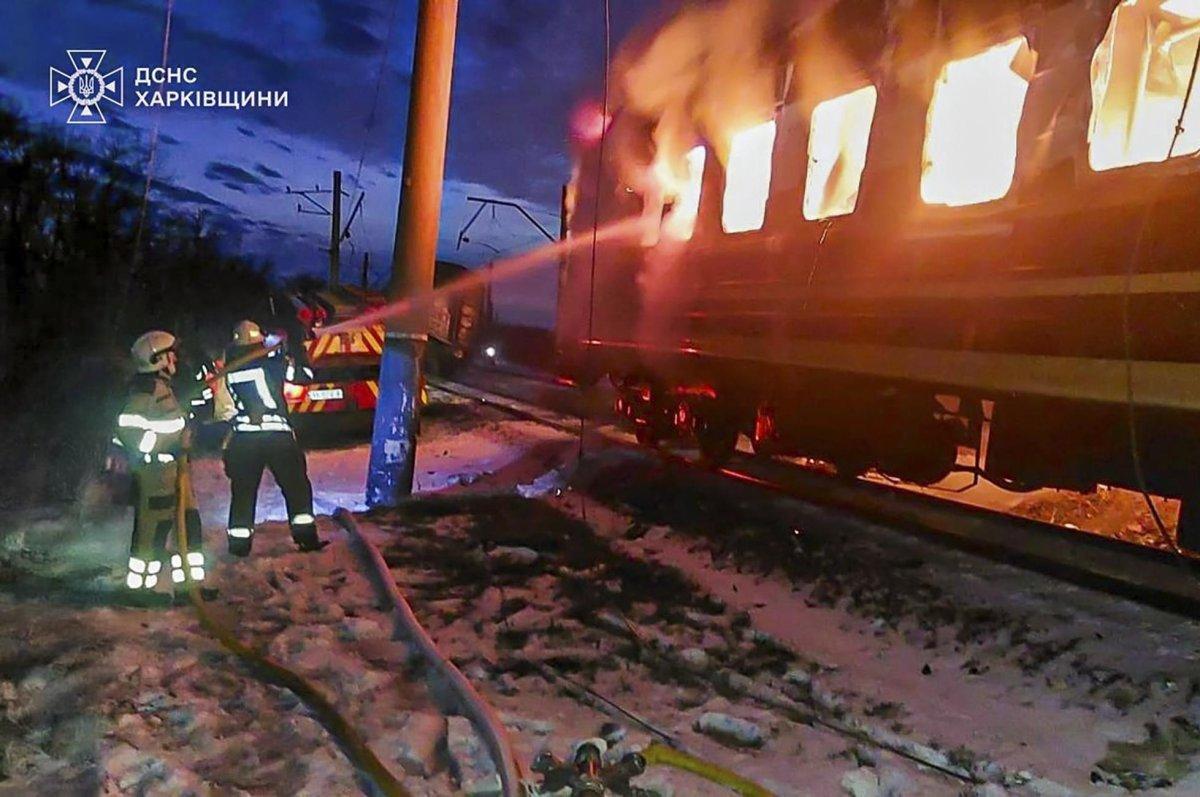
A Russian drone strike hit a Chop–Barvinkove passenger train in Ukraine's Kharkiv region on Jan. 27, 2026, killing at least five people and setting carriages ablaze, officials and multiple outlets reported.
“President Volodymyr Zelenskyy called the strike an ‘act of terrorism,’ posted video of a burning carriage on X and said more than 200 people were on the train, with 18 in the carriage hit.”
Prosecutors and regional authorities said one drone struck a carriage carrying about 18 people while other drones detonated nearby.
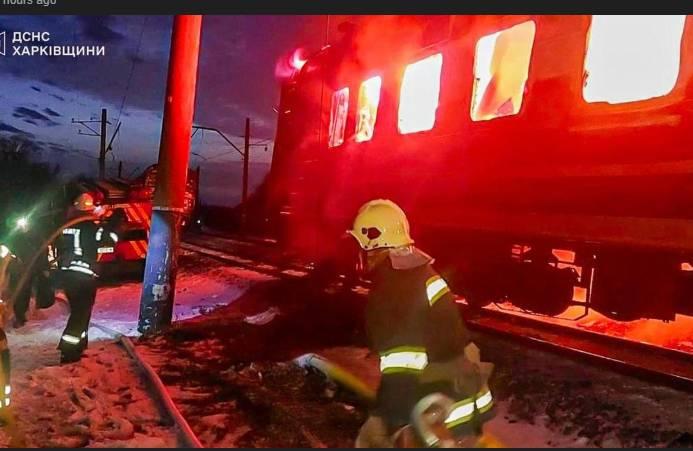
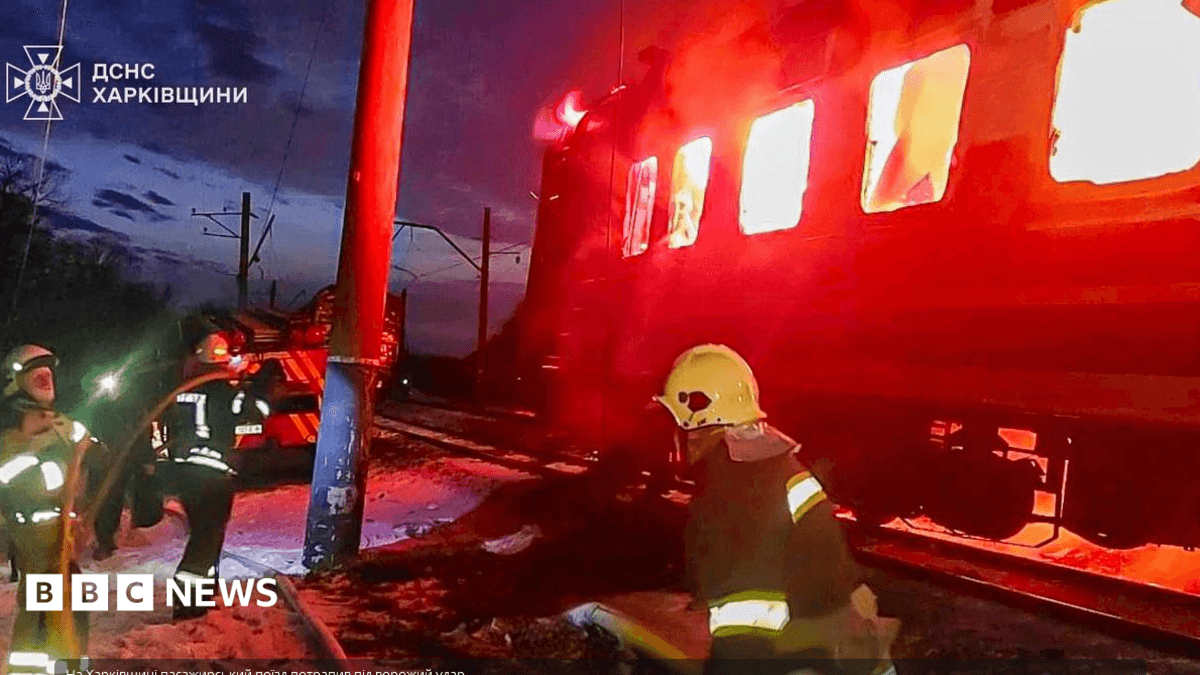
Images and video showed burning carriages and people jumping from windows to escape.
Reports consistently placed more than 200 passengers on the service overall, though some earlier official counts varied.
Reaction to rail strike
Ukraine’s leaders and many media outlets described the strike as terrorism and said it had no military justification. President Volodymyr Zelenskyy called the attack an "act of terrorism" that "undermines diplomatic efforts," and prosecutors and senior officials urged the international community to increase pressure on Moscow and hold it accountable. Ukrainian rail authorities pledged to keep services running despite the strike, and rescue teams and fellow passengers helped evacuate the wounded.
Coordinated strikes and impact
The Kharkiv train strike occurred amid a coordinated overnight assault that Ukrainian officials say included scores of drones and missiles hitting cities such as Odesa, Kryvyi Rih, Mykolaiv, Zaporizhzhia and the Kyiv region. Multiple sources reported heavy damage to energy facilities, widespread power outages and deaths elsewhere; Odesa officials reported three killed and dozens wounded.
“More than 50 drones attacked Odesa, killing three, wounding over 30 and damaging residential buildings and public facilities; an AFP journalist reported a collapsed façade and rescue crews at the scene.”
The strikes compounded an already dire winter for civilians in areas facing heating and electricity cuts. Ukrainian authorities and foreign ministers called for stepped-up measures against Moscow in response.
Conflicting attack reports
There are notable discrepancies in reporting about the exact weapons used, precise casualty numbers, and immediate claims of responsibility. Some outlets specify three Shahed/Geran-type drones (News of Bahrain, United News of Bangladesh), while AzerNews describes the incident as a missile strike.
Official casualty figures varied: several sources reported five killed and fragments of five bodies recovered, while others noted initial counts of four or missing persons as reports evolved. Moscow had not publicly commented in many reports, while 24NewsHD carried the Russian defence ministry's claim of capturing villages elsewhere, highlighting divergent narratives between Ukrainian authorities and Russian official statements in the wider conflict context.
Coverage of rail attack
Outlets documented human and operational responses, reporting that soldiers on board used combat and medical experience to help evacuees. Video showed people jumping from burning carriages, and Ukrainian Railways vowed to continue services while rescuers and passengers were praised for their actions.
“Soldiers returning from leave on board used combat and medical experience to help children, women and other passengers, and Zakarpattia journalist Vitaliy Hlahola released video showing the burning train and people jumping from carriages to escape.”
Several sources noted that Russia had not commented and that the strike undercut ongoing talks, prompting international officials to call for increased pressure on Moscow. Coverage combined visceral witness detail, official condemnations, and operational pledges amid continued uncertainty over exact casualty numbers and weapon types.