Full Analysis Summary
Ukraine power grid attack
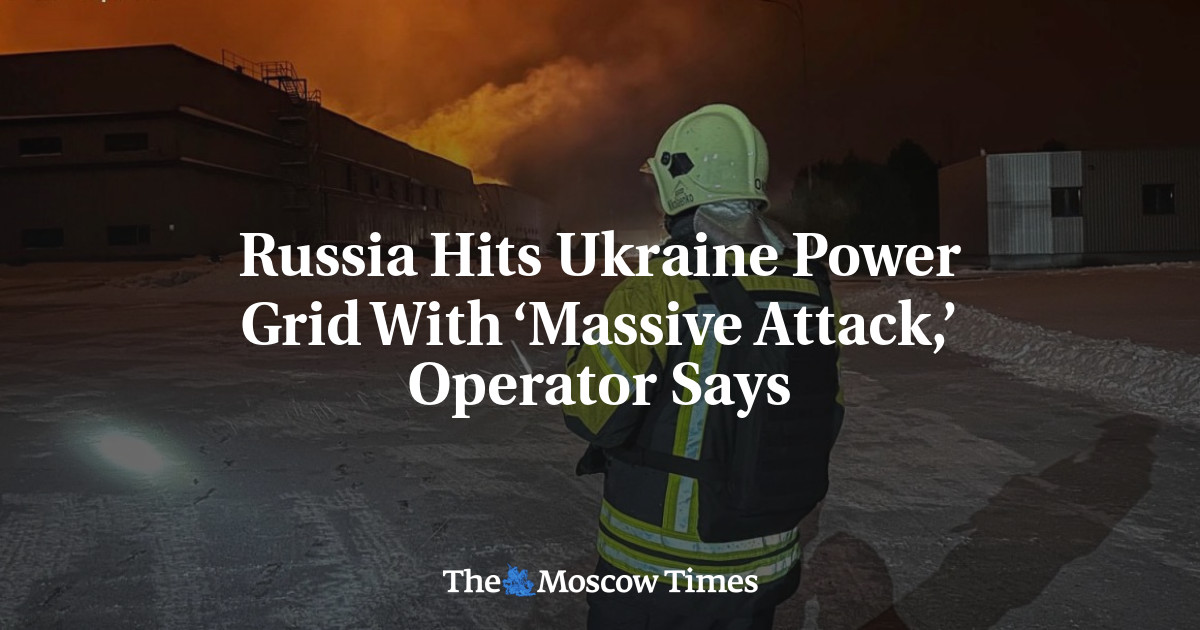
Russian forces carried out what Ukrainian officials and the state grid operator described as a "massive" attack on Ukraine's power infrastructure, causing emergency outages across most regions and plunging hundreds of thousands of people into darkness and without heating amid subzero temperatures.
Ukrenergo reported the damage and said emergency outages affected most regions, while Ukrainian authorities accused Moscow of deliberately targeting energy facilities.
The outages were reported alongside statements that specific western power plants, Burshtynska and Dobrotvirska, were struck, prompting Kyiv to request emergency assistance from Poland.
Coverage Differences
Tone/Narrative emphasis
France 24 (Western Mainstream) and South China Morning Post (Asian) emphasize Ukrainian officials' accusation that Russia 'deliberately' or 'intentionally' struck energy infrastructure, using strong language about intent; The Moscow Times (Western Alternative) likewise reports a 'massive attack' but also embeds broader context on diplomatic talks and additional Russian accusations, giving a more layered narrative. Each source is reporting Ukrainian claims rather than independently asserting motive.
Unique/off-topic coverage
The Moscow Times includes additional Kremlin-related context (talks in Abu Dhabi, prisoner swap, and an unrelated accusation about a shooting in Moscow) that the other outlets did not: this expands the piece beyond the immediate power-grid damage into diplomatic and security developments.
Winter power outage crisis
Ukrenergo warned that the assault was ongoing and that restoration work would only begin when the security situation allowed, leaving many communities exposed to "subzero temperatures" without heating or lighting.
Officials said hundreds of thousands were affected and appealed for emergency help; Energy Minister Denys Shmyhal said Kyiv had requested assistance from Poland after the hits to western plants.
The immediate humanitarian risks of extended outages in freezing weather were a central concern in all reports.
Coverage Differences
Source detail emphasis
All three sources report the human impact in freezing temperatures, but France 24 explicitly quotes Energy Minister Denys Shmyhal about the request to Poland, while South China Morning Post emphasizes the Ukrenergo Telegram wording; The Moscow Times highlights the operational constraint that repairs depend on security conditions.
Western Ukraine power outages
Reports named the Burshtynska and Dobrotvirska power plants in western Ukraine as locations struck.
Officials sought cross-border help, with Kyiv's appeal to Poland reported as an immediate practical step to alleviate shortages.
The scale of the outages — described across sources as affecting 'most regions' and 'hundreds of thousands' — underlined the national impact, even as coverage varied in background detail about ongoing talks and other incidents.
Coverage Differences
Narrative/Background inclusion
The Moscow Times situates the strikes amid diplomatic developments, noting U.S.-mediated talks in Abu Dhabi and a recent prisoner swap, while France 24 and SCMP focus more narrowly on the strikes, outages, and humanitarian implications. This is a difference in contextual framing rather than contradiction about the core facts.
Media coverage differences
All outlets report Ukrainian accusations that Russia deliberately targeted energy infrastructure.
There are variations in how each source frames additional claims and surrounding events.
The Moscow Times reports a separate Moscow accusation that Ukraine orchestrated a shooting which wounded a Russian military intelligence general in the city.
That claim is not echoed by the other two outlets.
The Moscow Times also includes an editorial-style appeal noting the paper has been labeled 'undesirable' and 'foreign agent' by Russian authorities.
Coverage Differences
Contradiction / Omission
The Moscow Times reports an additional Russian accusation about a shooting in Moscow and includes its own note about being labeled an 'undesirable' organization — details absent from France 24 and SCMP — which creates differing emphases and some extra claims that the other outlets do not repeat.
Unique/off-topic coverage
The Moscow Times’ inclusion of its status as labeled 'undesirable'/'foreign agent' and its appeal to readers is a publication-specific aside that the other sources do not include, reflecting the paper's own institutional situation rather than new facts about the strike.
Media framing of power attack
In summary, the three outlets consistently report a large-scale attack on Ukraine's power grid that caused widespread outages and serious humanitarian risk during freezing weather.
They differ in contextual framing.
France 24 and South China Morning Post concentrate on the immediate damage and humanitarian angle and quote Ukrainian officials directly about intent.
The Moscow Times adds broader diplomatic and security context and a publisher note about its status, broadening the narrative beyond the outages themselves.
Coverage Differences
Summary / Framing difference
All three sources align on the core facts of a 'massive' attack and widespread outages; differences are mainly in framing and additional context — with France 24 (Western Mainstream) and South China Morning Post (Asian) emphasizing the humanitarian impact and Ukrainian accusations, and The Moscow Times (Western Alternative) including extra diplomatic/security details and publisher-specific information.