Ukraine War03 February, 20263 min read
Russia Strikes Ukraine's Energy Facilities in 'Most Powerful' Attack, Undermining Peace Talks
This article is an automated aggregation of coverage from news outlets. Our editorials offer in-depth analysis curated by the NewsCord team.
Russia launched its most serious missile and drone strikes on Kyiv and other regions Strikes specifically hit energy infrastructure, damaging heating systems and causing outages

6 outlets told this the same way.
Russian strikes on Ukraine
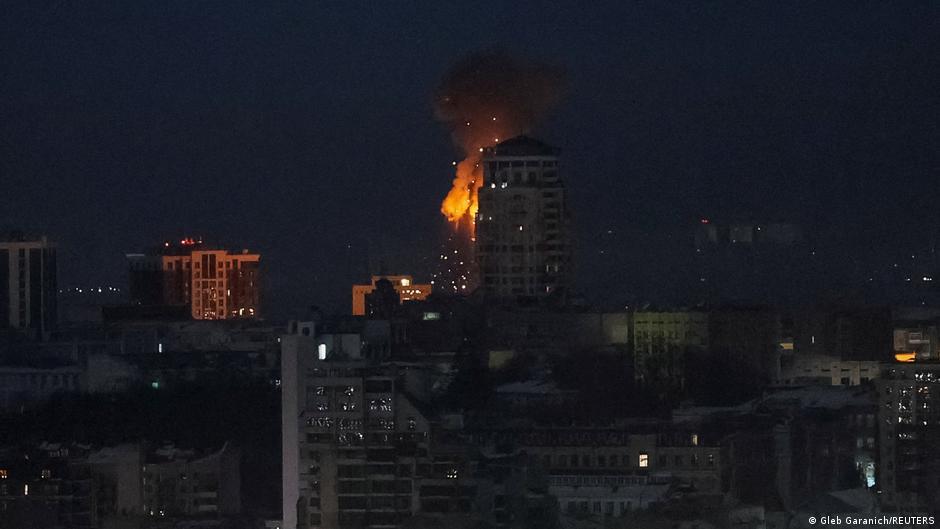
Overnight Russian strikes against Ukraine were described by multiple outlets as a large, coordinated assault that concentrated on energy infrastructure and hit cities well beyond the front line. DW reported Moscow fired "more than 70 missiles" and "about 450 attack drones," and said the strikes "aimed to cut civilians off from heating, light and water," with "around 1,170 homes lost heating."
“NATO chief Mark Rutte, visiting Kiev and speaking to Ukraine’s parliament, said Russia’s overnight strikes — which Kiev called the ‘most powerful’ attack this year on energy infrastructure and left hundreds of thousands without heating in freezing temperatures — undermined any signal that Moscow is serious about peace.”
The Kyiv Independent called it the "largest such strike this winter and the most missiles fired in a single attack this season," noting "dozens of missiles and hundreds of drones targeted cities across the country, including areas far from the front line." TRT World relayed that Ukrainian authorities called the assault the "most powerful" attack this year on energy infrastructure and quoted Mark Rutte saying the strikes "undermined any signal that Moscow is serious about peace."

Humanitarian impact of strikes
Reports focused on the humanitarian and civilian impact, but differed on scale and detail. DW said around 1,170 homes lost heating and officials reported at least 10 people wounded. The Guardian similarly reported about 1,170 residential buildings were without heating as temperatures fell to -20°C.
TRT World characterised the strikes as leaving hundreds of thousands without heating in freezing temperatures, emphasising widescale civilian deprivation. The Kyiv Independent cited Governor Oleh Syniehubov reporting seven people injured in a strike on a dense residential area.
Strikes and diplomatic reactions
The strikes also intersected with diplomacy and claims about a temporary pause.
“The renewed strikes came after US President Donald Trump said Russia had agreed a brief truce in cold weather—an agreement Ukraine says Moscow did not honor.”
DW reported that the renewed strikes came after US President Donald Trump said Russia had agreed a brief truce in cold weather, an agreement Ukraine says Moscow did not honor.
The Kyiv Independent similarly noted the timing.
It said the attacks came days after Trump said he had personally asked Vladimir Putin on Jan. 29 to refrain from striking Kyiv, while the Kremlin said any pause on energy facilities would last only until Feb. 1.
TRT World quoted Mark Rutte saying the assault undermined any signal that Moscow is serious about peace.
The Guardian outlined Western planning responses, describing a draft plan under which repeated Russian breaches of any future ceasefire would trigger a graduated, coordinated US–Europe response.
Air defences and resilience
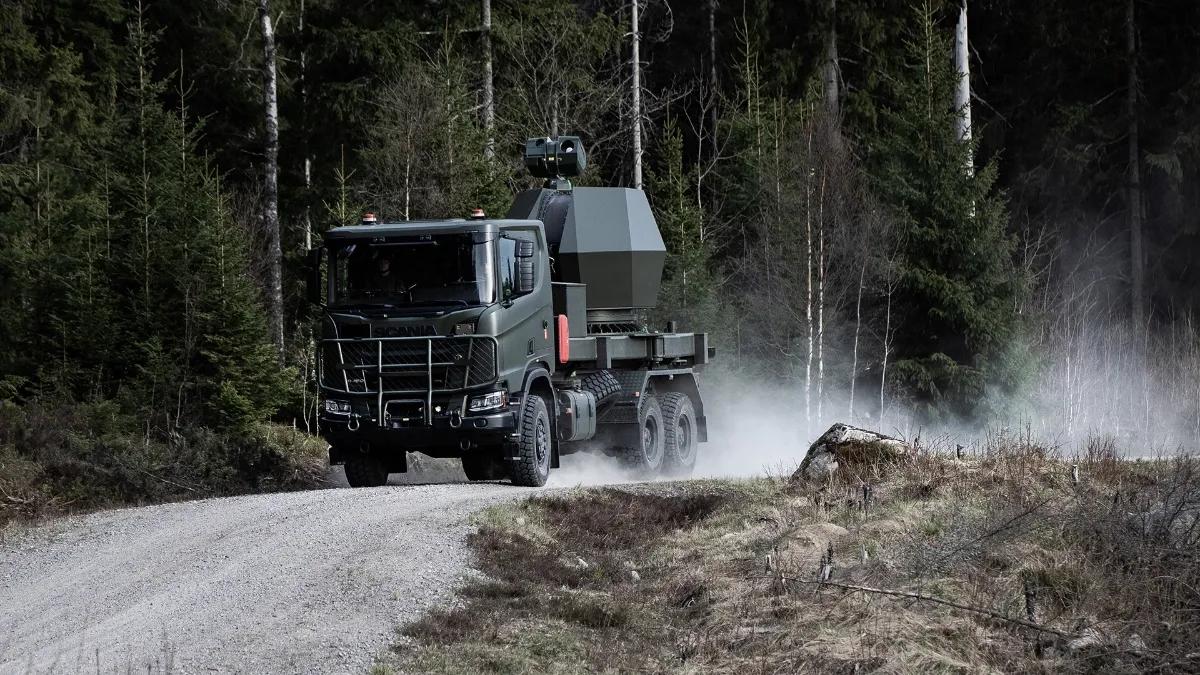
Calls for more air defences, greater energy resilience and changes to civilian services were widespread, though the mix of solutions reported differed. DW reported that Zelenskyy urged allies to send more air defences and increase pressure on Moscow, and added that SpaceX agreed to measures allowing only authorised terminals to operate and to deactivate unverified units.
TRT World quoted Rutte urging NATO to dig deep into its stockpiles for air defences and stressing NATO's commitment. The Guardian framed the attack within broader proposals, saying officials want stronger air defences, energy resilience and greater pressure on Moscow, and describing a draft response ladder that included possible foreign deployments and Keir Starmer's comment on sending troops in the event of a peace deal.

Media reporting differences
Reporting differences reflect distinct source types and focus. Western mainstream outlets such as DW and The Guardian supply operational detail, specific casualty and infrastructure figures, and policy prescriptions. The Kyiv Independent emphasizes the attack's scale and the immediate local human impact.
“Dozens of missiles and hundreds of drones targeted cities across the country, including areas far from the front line, and hit the capital after a brief Moscow pause on strikes against energy infrastructure ended.”
TRT World frames the strike primarily as a political event that it says 'undermined' peace signals and stresses NATO-level responses. There are contradictions and ambiguities in the record.
For example, The Guardian quotes Zelenskyy saying there were 'no targeted missile or drone strikes on energy infrastructure in the past 24 hours,' while DW and the Kyiv Independent describe strikes concentrating on power infrastructure. Where numbers differ - for example 'around 1,170 homes' versus 'hundreds of thousands without heating' - and injury counts vary, the sources report different figures and emphases rather than directly incompatible factual claims.