Ukraine War05 February, 20263 min read
Russia Strikes Ukraine's Energy Grid, Cuts Power to Thousands Amid Freezing Weather
Russia launched massive missile and drone strikes targeting Ukraine's energy infrastructure Strikes damaged power plants, substations, and turbines, cutting heat and electricity for thousands
37 outlets told this the same way.
Outlets did split on Russian Attack Kills At Least 33 On Two Buses In Kramatorsk →
Attack on Ukraine infrastructure
A massive, coordinated overnight strike by Russian forces hit Ukraine's energy infrastructure and civilian areas, cutting power to thousands amid plunging winter temperatures. Multiple sources reported a heavy combined assault using missiles and drones: the BBC said President Volodymyr Zelensky described attackers as firing 'more than 70 ballistic and cruise missiles and about 450 drones,' the Kyiv Post reported '521 aerial attack vehicles ... and about 450 drones,' and AP News noted a record strike included 'hundreds of drones and a record 32 ballistic missiles.' The barrage hit substations, thermal power plants and high-voltage equipment.
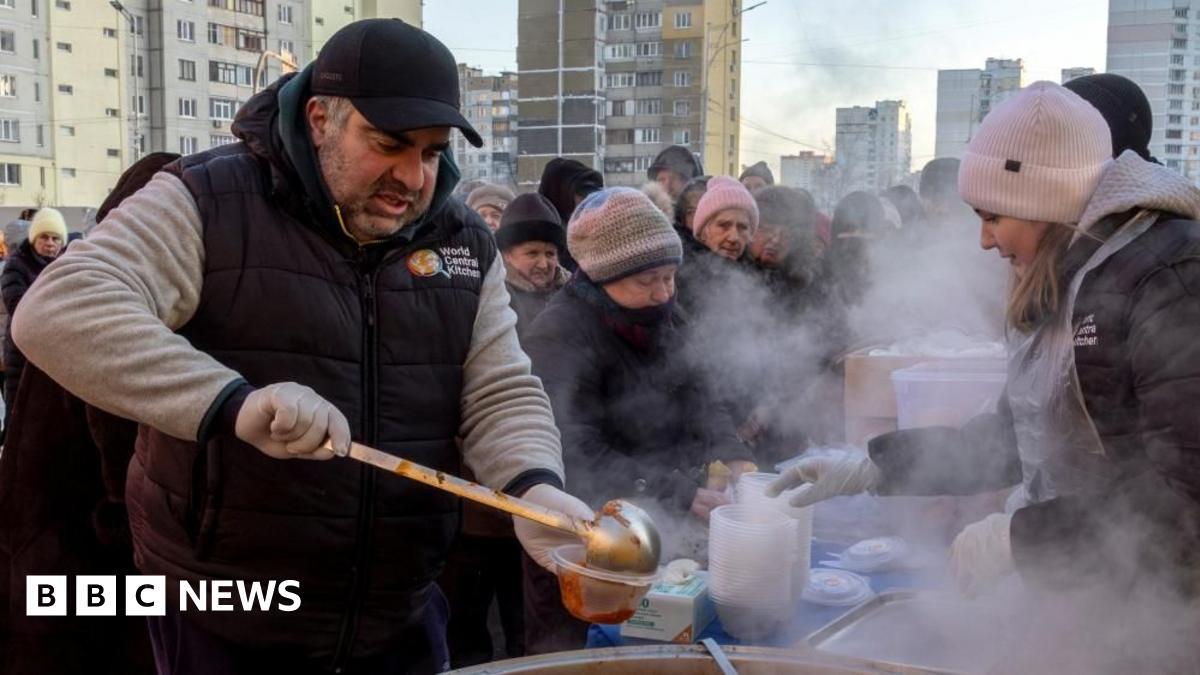
Private energy firm DTEK confirmed damage to its thermal power plants, and Kyiv and regional officials reported widespread blackouts that left many apartment blocks without heating as temperatures plunged toward −20°C or lower. Residents sheltered in metro stations, and volunteers ran soup kitchens to help those left without heat.

Strikes and power outages
The strikes caused extensive damage to power generation and distribution facilities, pushing utilities into emergency mode and putting civilians at immediate risk from the cold. DTEK reported thermal power plants were hit, with AP News calling it the firm's ninth major such assault since October, and the Kyiv Post saying a Kharkiv thermal plant was knocked out of service. Broad urban outages followed, with the BBC saying more than 1,000 apartment blocks in Kyiv were left without heating and the Irish News reporting a similar figure of 1,170 apartment buildings deprived of heat.
Officials warned of catastrophic consequences should the blackout persist in subzero conditions. Residents were forced to shelter in metro stations, and falling debris set residential buildings on fire and injured several people.
Reactions to winter attacks
Ukrainian leaders and Western officials described the attacks as deliberate strikes on civilians aimed at inflicting 'winter terror', while Moscow said the offensive was meant to pressure Kyiv into political concessions. President Volodymyr Zelensky accused Russia of violating a reported pause on hitting energy assets and of 'choosing terror and escalation', according to the BBC. The Kyiv Post said Russia was conducting deliberate 'winter terror', and Radio Free Europe/Radio Liberty reported Kyiv accused Russia of committing a 'winter genocide'.
“Visiting Kyiv, Dutch Prime Minister Mark Rutte told Ukraine’s parliament that NATO stands ready to provide rapid, sustained support ... ‘Your security is our security.’”
NATO and visiting leaders voiced firm support for Ukraine. AP News quoted Dutch Prime Minister Mark Rutte saying, 'Your security is our security'.
RFE/RL cited NATO's condemnation that the strikes had 'no military value'. The Kremlin told negotiators the offensive would continue 'until the regime in Kyiv makes the right decisions', according to Die Welt, framing the attacks as pressure to extract territorial or political concessions.
Strikes, talks, and accusations
The timing of the strikes drew attention because they coincided with, and preceded, diplomatic events. Delegations were due to attend U.S.-brokered talks in Abu Dhabi. Kyiv said the attacks breached a reported arrangement to avoid hitting energy infrastructure during negotiations.
The Irish News reported Zelensky accusing Moscow of violating an arrangement reportedly made after a US request to Putin to refrain from targeting energy assets. The BBC noted the strikes came ahead of another round of talks in Abu Dhabi, and DIE WELT said the European Commission accused Vladimir Putin of using ceasefire talks as cover for attacks on civilian infrastructure. Some outlets described earlier rounds of talks as 'constructive' or 'substantive and productive,' creating a contrast between reported diplomatic progress and the continuation of deadly strikes on the ground.
Media framing of strikes
Reporting tones and word choices vary across outlets, from stark legal accusations to clinical operational reporting. DIE WELT recorded senior Ukrainian officials denouncing the strikes as "crimes against humanity" and an attempted "winter genocide". The BBC used the president's phrasing of "choosing terror and escalation," Kyiv Post labeled the attacks "winter terror," and RFE/RL repeated Kyiv's "winter genocide" charge.
These characterizations contrast with Kremlin statements cited in some outlets that the offensive will continue to pressure Kyiv. NATO and Western leaders' responses were uniformly critical and pledged continued support. The emphatic moral language ("genocide," "crimes against humanity") appears primarily in sources relaying Kyiv's strong accusations and statements by European officials rather than in raw Kremlin quotes.