Ukraine War09 January, 20262 min read
Russia Strikes Ukraine's Energy Grid, Plunges Southeast Into Near-Total Blackout, Leaves 1 Million Without Heat or Water
This article is an automated aggregation of coverage from news outlets. Our editorials offer in-depth analysis curated by the NewsCord team.
Russian forces struck energy infrastructure in Dnipropetrovsk and Zaporizhzhia regions. Strikes plunged southeastern Ukraine into near-total blackout overnight.

7 outlets told this the same way.
Strikes on Ukraine's energy
Russian missile strikes on Ukrainian energy infrastructure overnight knocked two southeastern regions into a near-total blackout. The attacks forced critical services to run on emergency reserves and left hundreds of thousands without electricity, heat, or water. WTVB reported the strikes knocked two southeastern Ukrainian regions into near-total blackout and forced critical infrastructure to run on reserves.
“Russian strikes overnight knocked two southeastern Ukrainian regions into near-total blackout, forcing critical infrastructure to run on reserves.”
Devdiscourse said nearly 500,000 households in Dnipropetrovsk region remained without power on Thursday and that earlier officials reported more than 1.7 million households nationwide faced water supply problems. UPI added that the attacks are part of a campaign increasingly targeting electricity and gas infrastructure, including wells, storage, and pipelines, and appear aimed at leaving people without heating in winter.

Human and infrastructure impact
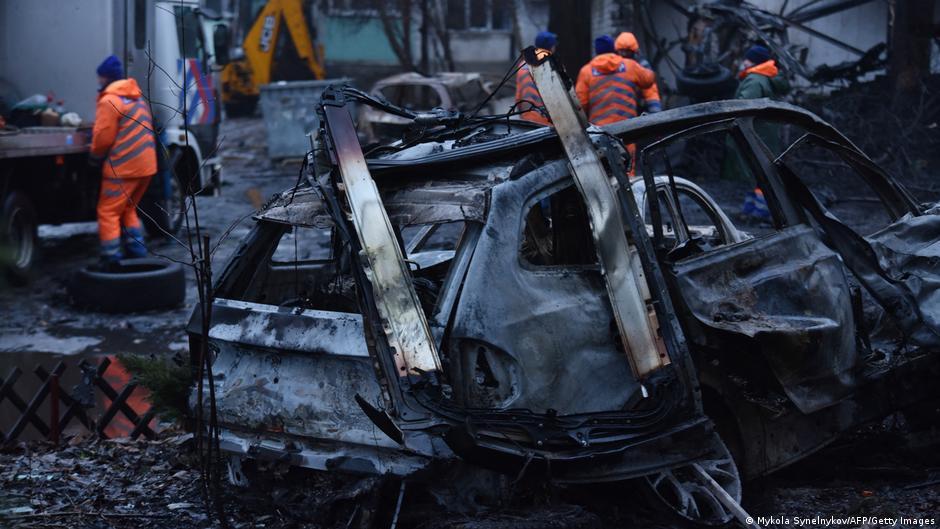
The human and economic toll included damage to homes, injured civilians, and evacuation of workers from critical sites. Devdiscourse reports Russian missile strikes hit dwellings in Kryvyi Rih, injuring 17 people (including three children) and damaging 29 apartment buildings. The report notes generators were running outside downtown shops as residents said they were used to disruptions.
WTVB adds that eight mines in Dnipropetrovsk lost power and workers were evacuated. Repairs were underway to restore heat and water to more than one million consumers, with nearly 800,000 still without electricity early Thursday. UPI highlights the broader strategic effect, saying the campaign targets infrastructure like wells, storage, and pipelines to deprive people of heating.

Reactions to Russian attacks
Political leaders and energy firms responded with condemnation and mobilization of repair efforts while warning of further danger.
“President Volodymyr Zelenskiy condemned Russia’s attacks as a war ‘against life in Ukraine,’ warned a possible new massive strike that evening and urged people to heed alerts. The U.S. Embassy likewise warned of a potentially significant air attack in the coming days.”
Devdiscourse quotes President Volodymyr Zelenskiy condemning Russia’s attacks as a war “against life in Ukraine,” warning of a possible new massive strike and urging people to heed alerts; the U.S. Embassy also “warned of a potentially significant air attack in the coming days.”
UPI reports Zelensky said the attacks had “no military value and intended only to create misery,” and urged Western partners to continue supplying air defenses.
WTVB places the strikes in a wider context, noting Moscow has stepped up attacks “while fighting continues and Kyiv faces U.S. pressure to seek a peace deal.”
Infrastructure restoration updates
Restoration efforts were underway, but timelines and local experiences differed across reports. UPI quotes Ukraine's largest private energy firm DTEK saying it will restore critical infrastructure and work to bring power back to families as quickly as possible. Devdiscourse records local officials saying in Dnipro water service in the city was back to normal and power and heating would soon be restored.
Devdiscourse also reported that Zaporizhzhia's power was restored after a blackout. WTVB noted repairs were underway for more than 1 million consumers and warned water repairs in Pavlohrad could take up to a day. The sources thus mix immediate restoration claims with warnings of broader disruption and seasonal risk.