Russia Supplying Iran With Shahed Drones Used Against U.S. Bases, Zelensky Says
Key Takeaways
- Russia supplied Iran with Shahed drones used against U.S. bases.
- Drones attacked U.S. bases in the Middle East.
- Drones used against Israel, Zelensky says.
Zelensky's Drone Supply Claim
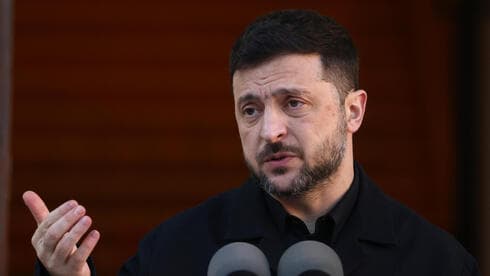
Ukrainian President Volodymyr Zelensky has made a serious allegation that Russia is supplying Iran with Shahed drones specifically for use against U.S. and Israeli targets.
“Print Edition Read pdf version Home {{tree}} {{link”
During an interview with CNN's Fareed Zakaria, Zelensky stated that Russia gave Iran Shahed drones under Iranian licenses and that he has confirmed intelligence showing Iran has used these Russian-made drones to attack U.S. bases.

The Ukrainian leader emphasized that these drones have also been used against Iran's neighbors in the region, indicating a broader regional military strategy involving the supply and deployment of these unmanned aerial vehicles.
Shahed Drone Technology
The Shahed drones represent a significant military technology that Iran pioneered as a much cheaper alternative to expensive missile systems.
While Iran initially provided the drones to Russia, Moscow now manufactures its own versions of the Shahed, indicating a sophisticated military-industrial collaboration between the two nations.
&w=3840&q=75)
These unmanned aerial vehicles have gained widespread attention during Russia's invasion of Ukraine, where Ukrainian officials say Russian forces have launched thousands of Shahed drones since the autumn of 2022.
The drones have been linked to various attacks across the region, though their manufacturers are not always clearly identifiable, creating complexity in tracking the origins and destinations of these weapons systems.
Regional Conflict Context
The conflict in West Asia has entered its third week following military operations by Israel and the United States against Iran late last month, which eliminated several senior figures including Supreme Leader Ayatollah Ali Khamenei.
“In response, Tehran has launched retaliatory attacks targeting Israel and Gulf countries that host US military installations”
In this volatile regional context, Iranian strikes have targeted airports, oil infrastructure, hotels, and other civilian sites across the region, demonstrating the widening scope of the conflict.
The drone supply allegations come amid reports that Russia gave Iran information that helped them locate and strike U.S. targets, suggesting a coordinated military strategy between Moscow and Tehran in their respective conflicts with Western interests.
The design of Shahed drones has been adopted by other militaries, including the US military, which has acknowledged that such drones are part of the current campaign against Iran, indicating the complex and multi-faceted nature of the regional arms race and proxy conflicts.
International Reactions
Former President Donald Trump has weighed in on the drone supply issue, suggesting that Russian President Vladimir Putin 'might' be helping Iran with its military operations against the U.S.
In an interview with Fox News's Brian Kilmeade, Trump stated, 'I think he might be helping them a little bit, and he probably thinks we're helping Ukraine, right?' Trump's comments reflect the complex geopolitical dynamics at play in the conflicts involving Russia, Iran, and the United States.

The Ukrainian president's allegations about the drone supply come as Russia recently received temporary sanctions relief for oil stranded at sea, with Treasury Secretary Scott Bessent stating that the 'narrowly tailored' sanctions removal 'will not provide significant financial benefit to the Russian government.'
These developments highlight the intricate web of military, economic, and diplomatic relationships that characterize the current international security landscape.
More on Ukraine War

US Eases Russian Oil Sanctions Despite Allies' Warnings It Could Boost Kremlin War Chest
10 sources compared
Ukraine Strikes Bryansk Microelectronics Plant With Storm Shadow Missiles, Killing Six
13 sources compared
Ukrainian Forces Halt Russian Advance Toward Zaporizhzhia; HUR Claims 300 Russian Casualties
12 sources compared

Russia Kills at Least 10 in Kharkiv Apartment Missile Strike, Including Two Children
19 sources compared