Ukraine War05 December, 20253 min read
Russia Threatens to Seize Donbas by Force
Putin warned Russia will seize Donbas by force if Ukrainian troops do not withdraw Moscow already controls most of the Donbas region
10 outlets told this the same way.
Outlets did split on Russian Attack Kills At Least 33 On Two Buses In Kramatorsk →
Putin ultimatum on Donbas
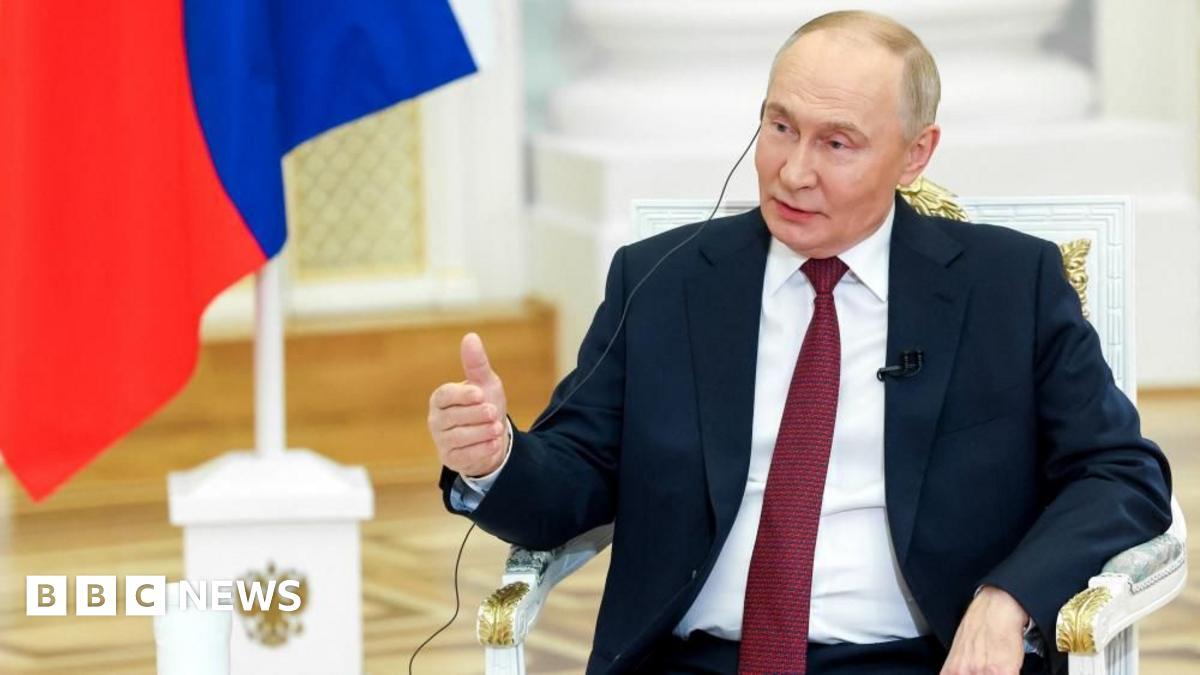
Russian President Vladimir Putin issued a stark ultimatum on Dec. 4, saying Ukrainian forces must withdraw from the eastern Donbas region or Moscow will seize the territory by force.
“Russian President Vladimir Putin on Dec. 4 issued a stark ultimatum in the war: Ukraine must withdraw its forces from the eastern Donbas region or Moscow will seize the territory ‘by force.’”
Multiple outlets report the same core message, with the Kyiv Independent calling it a stark ultimatum to withdraw or risk Russia seizing the territory and the BBC and Khabarhub reporting Putin's rejection of any compromise and the threat to take Donbas by force.
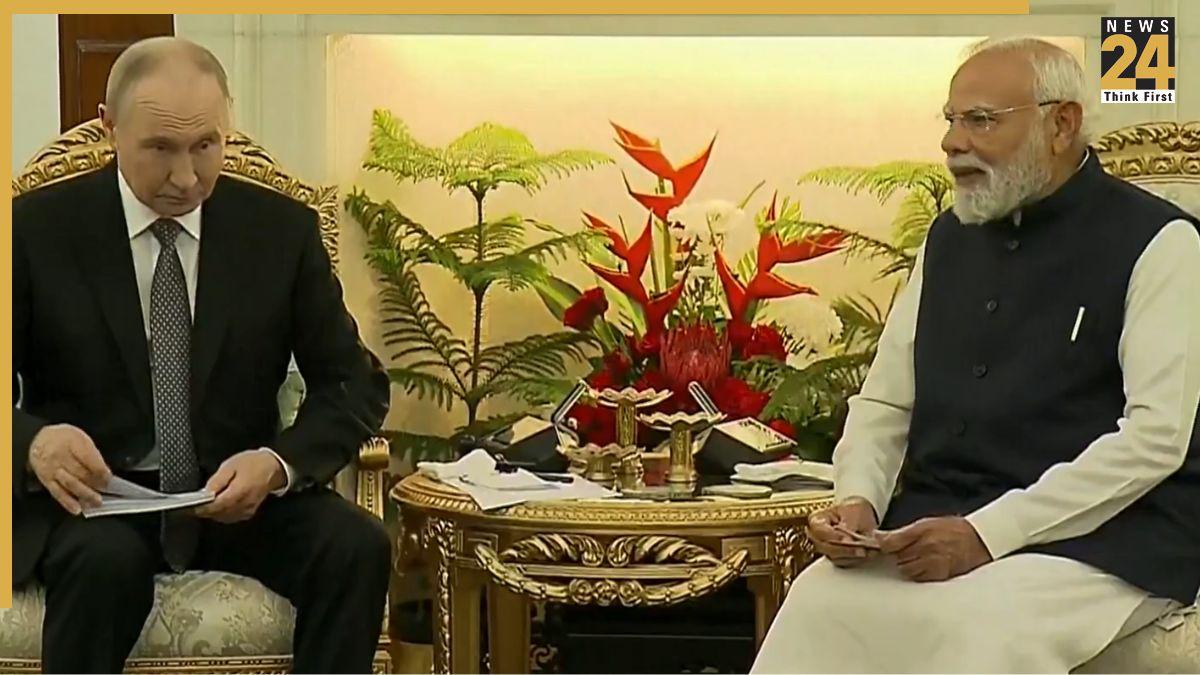
Newslivetv highlights escalating tensions and a divided international response, stressing that a peaceful resolution now appears unlikely.
Taken together, these accounts frame an immediate escalation in Moscow's public posture toward Donbas.
Donbas control and stakes
The statements come against a backdrop in which Moscow already controls a large portion of the Donbas. Several outlets say Russia holds roughly 85% of the region, with Editorialge and the BBC citing that figure and Khabarhub repeating similar estimates. Ukrainian leaders have publicly rejected ceding internationally recognized territory.
Outlets note that Putin’s ultimatum directly contradicts President Volodymyr Zelensky’s long-standing position that Ukraine will not give up land. The combination of high Russian control on the ground and firm Ukrainian refusal sharpens the stakes of Putin’s demand.

US mediation reports
Diplomatic activity and reported US-linked mediation efforts feature prominently across coverage but with different emphases. The BBC reports talks in Moscow this week involving US-linked envoys including Steve Witkoff and Jared Kushner, and says Kremlin aides are awaiting a US response. The BBC also notes Witkoff was due to meet Ukraine's team in Florida.
“The remarks followed talks in Moscow this week between US-linked envoys, including Donald Trump's envoy Steve Witkoff and Jared Kushner; Trump called the Kremlin meeting ‘reasonably good’ and said negotiators thought Putin ‘would like to end the war.’”
Khabarhub likewise reports the meetings and adds that an original US peace plan had proposed transferring some Donbas areas to Russia. Khabarhub says Witkoff’s team brought a revised version to Moscow that Putin said he had not seen beforehand.
Editorialge highlights the timing of Putin’s warning before his state visit to New Delhi and frames Trump’s envoy activity as part of a US pursuit of a possible peace plan. These accounts show active back-channel diplomacy even as public rhetoric hardens.
Media framing of Moscow
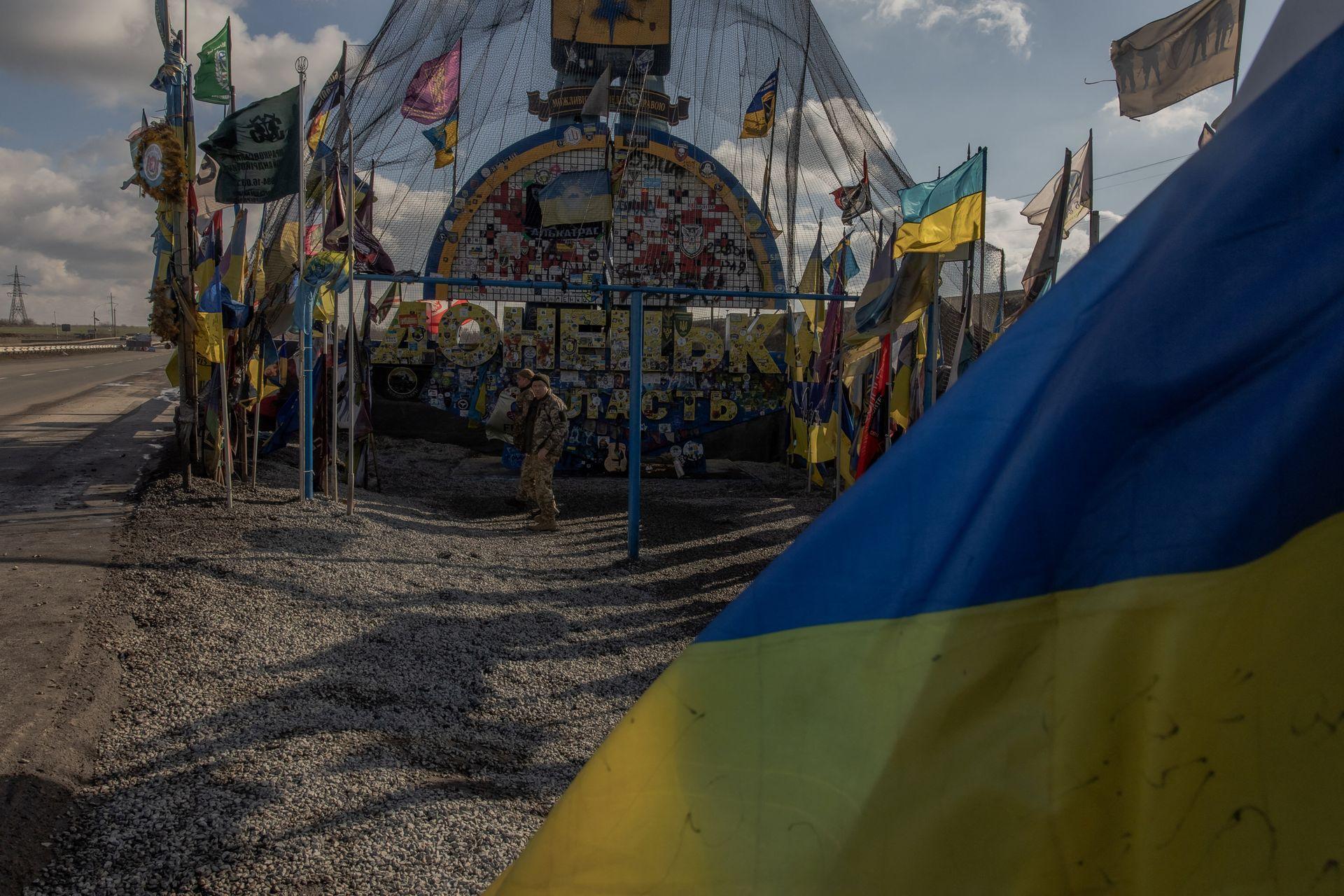
Sources vary in tone and narrative choices when describing Moscow's stated rationale and the broader historical frame. Editorialge explicitly quotes or paraphrases Moscow's framing of a takeover as a 'liberation' and places the warning after nearly three years of war, giving a legitimizing tone to Russia's language in its report. By contrast, the Kyiv Independent presents the warning as a stark ultimatum against the backdrop of tense frontline imagery.
The BBC uses neutral wording that emphasizes rejection of compromise and diplomatic maneuvering. Newslivetv emphasizes escalation and division among global leaders, lending a more alarmed tone. Overall, these differences show how source type shapes narrative: Asian outlets (Editorialge, Newslivetv) foreground political framing and escalation, Western mainstream media (BBC) highlights diplomatic context, and local Western outlets (Kyiv Independent) stress frontline immediacy.

Diplomatic ambiguity over ultimatum
What remains unclear across reports is how this ultimatum will translate into policy and whether diplomatic channels can alter the course. BBC and Khabarhub both note that Putin said he had not seen a revised U.S. peace-plan before meeting envoys and that Kremlin aides were awaiting a U.S. response, suggesting procedural gaps and uncertainty. Editorialge mentions the broader U.S. diplomatic push under President Trump, while Kyiv Independent’s frontline emphasis leaves operational implications and timing less explicit in the snippet.
“Kremlin aides said they are awaiting a US response after the talks; Putin said he had not seen a revised US peace-plan version before meeting the envoys.”
Newslivetv warns that global division makes a peaceful outcome unlikely, underlining that outcomes are uncertain and contested across sources. Given these varying emphases, the trajectory—from threat to action or to resumed diplomacy—remains ambiguous in the available reporting.