Ukraine War02 December, 20252 min read
Russia Threatens to Seize Ukraine's Donbas by Force
Putin vowed Russia will seize Ukraine's Donbas by military or other means. Russia claimed capture of Pokrovsk and Vovchansk; Ukraine denied those claims.

36 outlets told this the same way.
Outlets did split on Russian Attack Kills At Least 33 On Two Buses In Kramatorsk →
Moscow's Donbas ultimatum
Russian President Vladimir Putin publicly warned that Moscow will seize full control of Ukraine’s Donbas by force unless Ukrainian troops withdraw, framing the demand as a precondition for any settlement and repeating the stance during high-level diplomacy with U.S. envoys. Several outlets report Putin made the warning on state television and in interviews around the time of a lengthy meeting in Moscow with U.S. delegates, while Kyiv has flatly rejected territorial concessions. That stance sits alongside reporting that Russia already controls substantial swathes of Ukrainian territory, underscoring how Moscow is linking on-the-ground control with its diplomatic demands.
“Russian President Vladimir Putin warned on state television that Russia will seize full control of Ukraine’s Donbas by force unless Ukrainian troops withdraw, speaking in an interview ahead of a visit to New Delhi.”
Donbas territorial control
On the ground, sources quantify Russia's territorial control and describe intense fighting in key Donbas locations. Several outlets report Russia occupies roughly 19–19.3% of Ukraine overall and controls all of Luhansk, most of Donetsk, and major parts of Kherson and Zaporizhzhia.
Pockets of Donetsk, including cities like Pokrovsk, remain contested and are the focus of fierce battles. Independent monitors and local reporting differ on how quickly Moscow can finish taking Donetsk, but multiple accounts show heavy fighting, claims of encirclement, and continued Ukrainian resistance.

Moscow-U.S. diplomatic talks
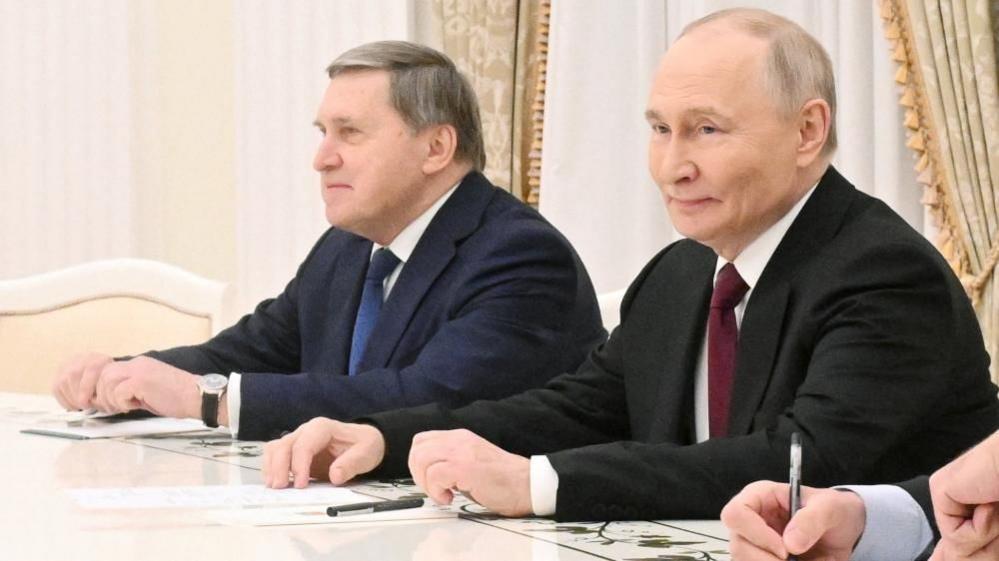
Diplomacy has intensified even as Moscow repeats its territorial demands. Multiple sources report a nearly five-hour Moscow meeting between President Putin and U.S. envoys Jared Kushner and Steve (Bruce) Witkoff. The Kremlin described parts of the U.S. proposal as "absolutely unacceptable," while some U.S. figures called the talks "very good" or "reasonably good."
“The Kremlin described the talks as ‘constructive’ but said parts of the U.S. proposal were ‘absolutely unacceptable’; Kremlin adviser Yuri Ushakov said the sides were ‘neither closer to nor further from peace.’”
Reports differ over whether the meeting advanced a peace plan, with Kremlin aides saying some proposals were acceptable and others were not. U.S. and Ukrainian officials reported little concrete progress and said follow-up talks will continue, including meetings between U.S. envoys and Ukraine's lead negotiator.
International responses to Ukraine
International responses diverge. Kyiv insists any negotiation must include Ukraine and reject territorial concessions or amnesties. Some Western actors emphasize keeping pressure on Russia and preparing additional military and financial aid.
Reports warn that earlier leaked U.S. drafts were seen as containing concessions that alarmed European allies. Several outlets report European concern about being sidelined if Washington and Moscow reach an accord without adequate consultation. NATO and EU officials publicly reaffirm support for Ukraine while discussing measures ranging from arms and funding to independence from Russian gas.
Escalation and Humanitarian Impact
Coverage prominently highlights the risk of broader escalation and humanitarian consequences, noting Putin's warning to Europe, increased missile and drone strikes on Ukrainian infrastructure, and worrying incidents at sea. Some sources report Russian accusations that Ukrainian forces struck commercial vessels and describe a series of drone assaults.
“Turkish authorities summoned senior Russian and Ukrainian diplomats after attacks on three tankers in Turkey’s Black Sea EEZ; Ankara called the incidents a 'serious escalation' and said neither side sufficiently answered warnings.”
Other reports emphasize European energy policy responses aimed at reducing dependence on Russian gas. Across the board, reporting links Moscow's territorial demands and battlefield pressure to increased civilian suffering and strategic instability.