Ukraine War24 February, 20262 min read
Russian Commanders Execute Soldiers for Refusing 'Meat Storm' Suicide Orders, Soldiers Say
This article is an automated aggregation of coverage from news outlets. Our editorials offer in-depth analysis curated by the NewsCord team.
Commanders ordered soldiers executed for refusing 'meat storm' suicide missions. Soldiers witnessed comrades shot at point-blank range on commanders' orders.
8 outlets told this the same way.
BBC documentary witness accounts
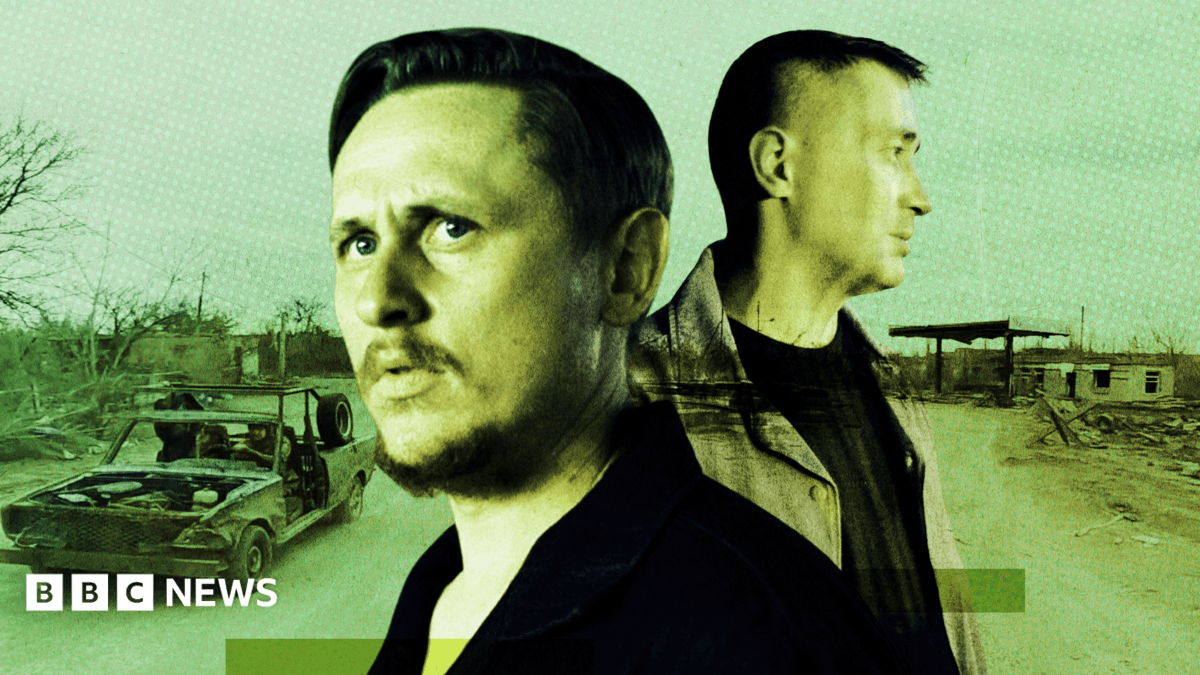
A BBC documentary has collected multiple first-hand accounts from four men who say they were ordered into repeated human-wave "meat storm" assaults and who describe systemic brutality, summary killings and deep psychological trauma among Russian troops. Witnesses named in the film include Dima, Ilya and Denis, and a former officer.
“A BBC documentary collected multiple first‑hand accounts from Russian soldiers and a former officer accusing commanders of systemic brutality, wasteful 'meat storm' assaults and summary killings during the war in Ukraine.”
They report commanders sending waves of men until objectives were reached and describe seeing captured men shot, bank cards taken and so-called "liquidation squad" killings. The testimonies portray these attacks as near-suicide missions that produced extremely high casualties and contributed to widespread despair among soldiers.
Reported battlefield losses and claims
Several witnesses describe commanders repeatedly ordering frontal assaults until defenders were exhausted.
One witness said his regiment lost about 200 men in three days.
Social-media clips shown to BBC include grieving relatives saying troops were ordered to advance armed only with machine guns and shovels.
UK Ministry of Defence figures are cited across reportage.
KOHA.net and The Indian Express quote estimates of daily Russian casualties in 2025 of roughly 900–1,500.
A broader MoD estimate of more than 1.2 million Russian troops killed or injured since Feb. 24, 2022, is also referenced.
These numbers are presented alongside the soldiers' accounts to underscore the claimed scale of loss and operational waste.
Reported torture and filmed abuse
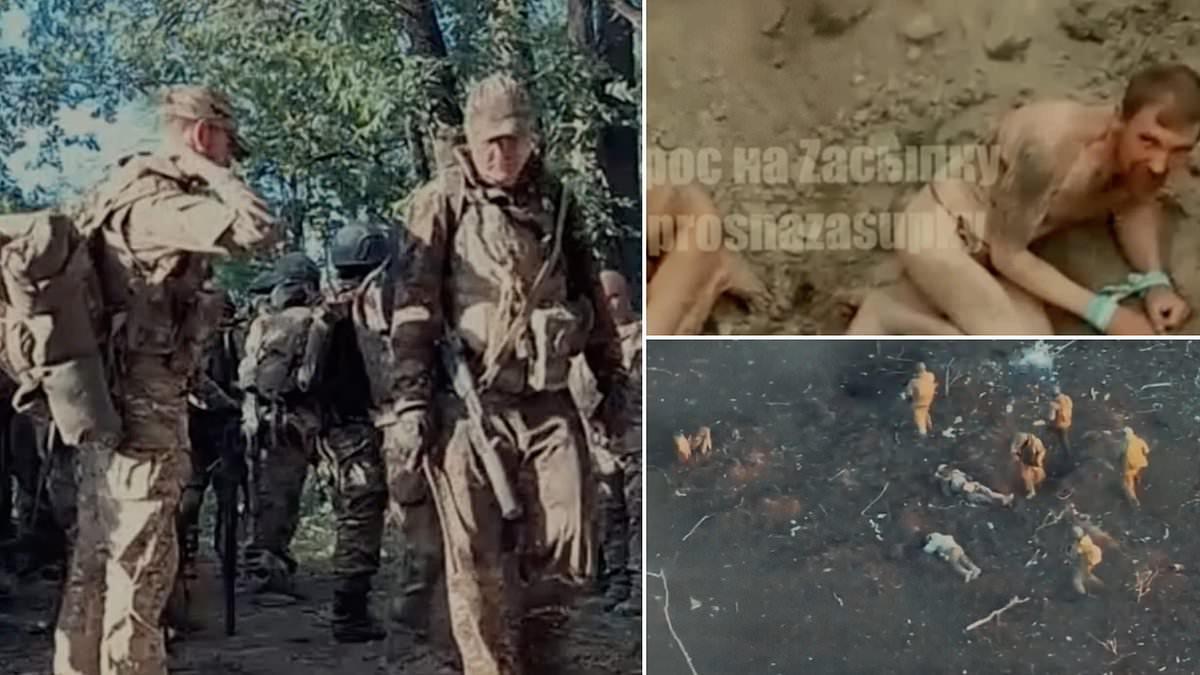
Survivors recount pervasive torture and public humiliation for those who refused orders, including beatings, starvation, electric shocks, being tied to trees, being urinated on, being forced into pits, and having teeth knocked out, with at least one man saying he attempted suicide after abuse.
“Those who refused orders or tried to flee were reportedly subjected to brutal humiliation and torture—beatings, starvation, being tied to trees, urination, and having guns put to their heads—and some of this abuse was filmed and posted on Telegram (videos show emaciated men crouching naked in pits).”
Several outlets report graphic scenes and alleged filmed abuse, including videos of emaciated men crouching naked in pits and footage of urination, though journalists note some clips have not been independently verified.
Allegations of military impunity
Witnesses and families say commanders cover up deaths and write false reports to 'write off' killed soldiers. Some have publicly accused decorated officers — including a commander named Alexei Ksenofontov (awarded Russia's 'Golden Star' in 2024 / 'Hero of Russia' in 2024) — of responsibility for mass killings. Families reportedly petitioned President Putin asking for investigations.
Survivors accuse some commanders of mass murder. The documentary frames these claims as evidence of systemic impunity within parts of the Russian forces.
Disputed verification and reporting
The Russian government told the BBC it 'act[s] with the maximum restraint possible' and said the reports 'cannot be independently verified,' according to Plataforma Media. Some outlets reported that the BBC could not independently verify certain video evidence.
“The Russian government told the BBC its armed forces ‘act with the maximum restraint possible,’ that allegations of crimes are investigated, and said the reports cannot be independently verified.”
Reporting voices differ in emphasis: tabloids foreground graphic allegations, local outlets emphasise frontline testimony, and other outlets note named accusations and petitions. All outlets cite limits of independent verification, leaving key factual elements contested or unconfirmed in the public record.
