Ukraine War12 November, 20253 min read
Russian Forces Storm Battered Pokrovsk After 'Mad Max'-Style Convoy Assault
This article is an automated aggregation of coverage from news outlets. Our editorials offer in-depth analysis curated by the NewsCord team.
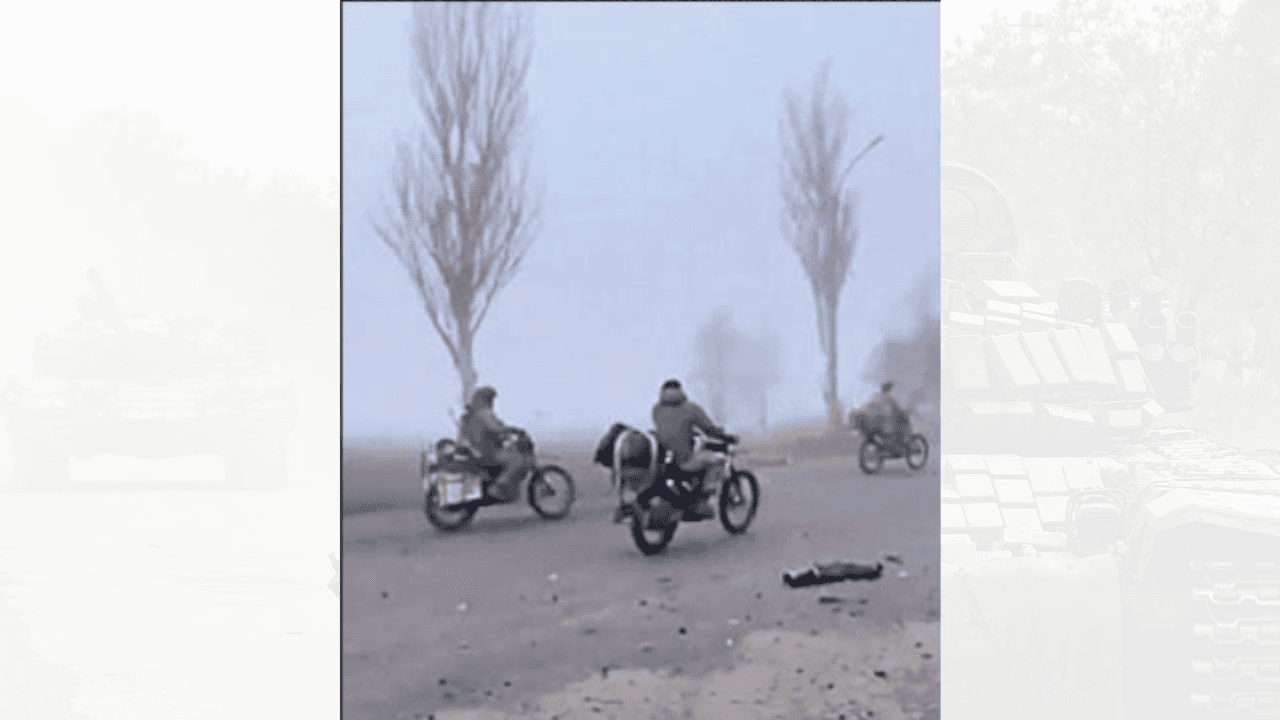
Russian forces pushed deeper into Pokrovsk, engaging in fierce urban fighting Russian troops entered Pokrovsk using motorbikes, battered cars, and improvised vehicles
5 outlets told this the same way.
Pokrovsk frontline update
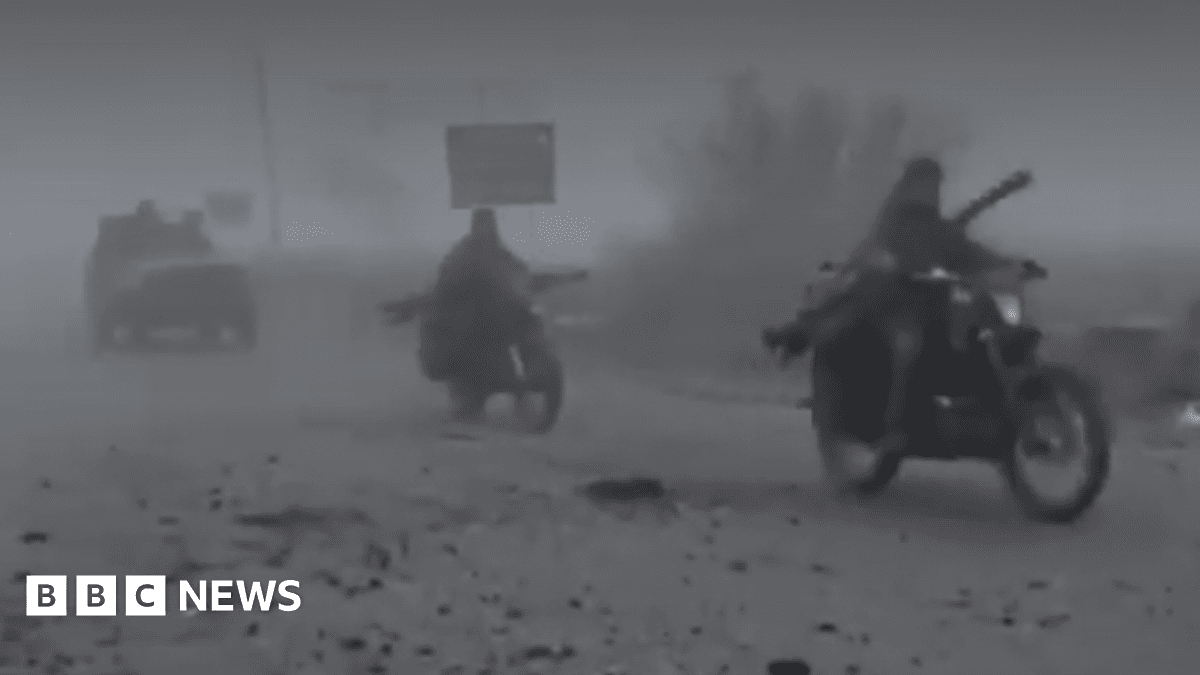
Russian forces have pressed into the embattled Donbas town of Pokrovsk. Reports have emerged of dramatic, fog-shrouded convoy footage linked to the advance. South China Morning Post reported war bloggers published a video claiming troops entered Pokrovsk along a fog-shrouded road, with some users likening the scenes to the film Mad Max.
“Russian war bloggers published a video on Tuesday they said showed Russian troops entering Pokrovsk along a fog-shrouded road—images some Telegram users likened to scenes from the 1979 film Mad Max.”
Ukrainian leaders described the frontline situation as difficult and significantly worsened. RBC-Ukraine said commanders report a severe personnel shortage around Pokrovsk and Kupiansk, with some soldiers from Myrnohrad already out of contact and one officer warning Pokrovsk could fall before December.
Kyiv has redeployed nearly all available troops to try to stabilise the cities. The Times of India noted footage suggesting some Ukrainian units laid down arms but cautioned there was no independent verification of those images.
Fighting near Pokrovsk, Kupiansk
Operational reports and open-source mapping indicate fierce, small-unit fighting and contested control lines around Pokrovsk and nearby Kupiansk. RBC-Ukraine reports the fighting involves small-unit infantry actions with heavy drone use and difficult logistics for both sides. Ukraine has struck Russian supply crossings on the Oskil River while Russia attempts advances toward Kupiansk‑Vuzlovyi to create a semi-encirclement.
South China Morning Post cites official concern, noting President Volodymyr Zelensky said the situation around Pokrovsk is 'difficult.' The report also notes top commander Oleksandr Syrskyi acknowledged his forces' position has 'significantly worsened.' The Times of India provides minimal operational detail in the excerpt and emphasises the need to verify visual claims.

Reporting sources and verification
Sources and credibility vary across the reporting. South China Morning Post attributes the dramatic visuals to 'Russian war bloggers' and to Telegram users likening the convoy to Mad Max, making clear the origin of the footage is non-official and social-media circulated. RBC-Ukraine relies on commanders, OSINT maps and estimated numbers, noting that 'Sources estimate roughly 70 Russian servicemen are inside Kupiansk, while OSINT maps indicate Ukrainian forces control at least half the city,' which reflects a different evidentiary mix.
“Russian war bloggers published a video on Tuesday they said showed Russian troops entering Pokrovsk along a fog-shrouded road—images some Telegram users likened to scenes from the 1979 film Mad Max.”
The Times of India explicitly flags the limits of its excerpt, stating that it has 'no further details... or independent verification.' This contrast underscores that some outlets emphasize visual claims while others foreground verification or official assessments.
Military outlook and caveats
The immediate military outlook is contested but constrained by resource and personnel realities.
RBC-Ukraine cautions that some assessments say Ukraine can still hold the Pokrovsk agglomeration until year-end if no major surprises occur.

RBC-Ukraine also reports commanders warning of shortages and notes the president ordered forces to stabilize Pokrovsk by Nov. 10 and Kupiansk by Nov. 15, that nearly all available troops have been redeployed there, and that the Commander-in-Chief is personally overseeing operations with withdrawal not currently planned.
South China Morning Post’s reporting of leadership statements about a 'difficult' situation aligns with RBC’s cautionary framing.
The Times of India excerpt highlights that single pieces of visual evidence require corroboration before altering strategic conclusions.
Media source differences
South China Morning Post emphasizes vivid social-media imagery and commander alarm. RBC-Ukraine offers granular local operational reporting and conditional forecasts grounded in OSINT and commander statements.
The Times of India presents a headline-level visual claim while explicitly noting a lack of corroborating detail in the supplied excerpt. Readers should note differences in evidence cited—such as 'Russian war bloggers' and Telegram posts versus commander briefings and OSINT maps—and how those source types shape certainty and tone in each outlet's reporting.