Full Analysis Summary
Allegations against Russia's Africa Corps
Reports from refugees, aid workers and journalists allege that Russia's newly deployed Africa Corps has committed systematic mass killings, rapes, beheadings and other brutal abuses against Malian civilians since replacing the Wagner mercenary group about six months ago.
Ukrainian National News relayed the Associated Press's summary that the unit is accused of systematic killings, rape, beheadings and other brutal abuses against civilians.
The Associated Press reported renewed brutality after the Africa Corps replaced Wagner.
ABC News repeated detailed refugee allegations of rapes, beheadings, scorched villages and mutilated bodies, framing the pattern as a continuation of Wagner-era violence rather than a break from it.
Coverage Differences
Tone and emphasis
All three sources report the same central allegations but differ in emphasis: Українські Національні Новини (Western Mainstream) presents a concise relay of AP’s headline accusations, the Associated Press (Western Mainstream) emphasizes context, responsibility and verification limits, and ABC News (Western Mainstream) foregrounds graphic survivor accounts and grisly details. Each source is reporting victims’ claims rather than independently proving every allegation.
Refugee accounts of violence
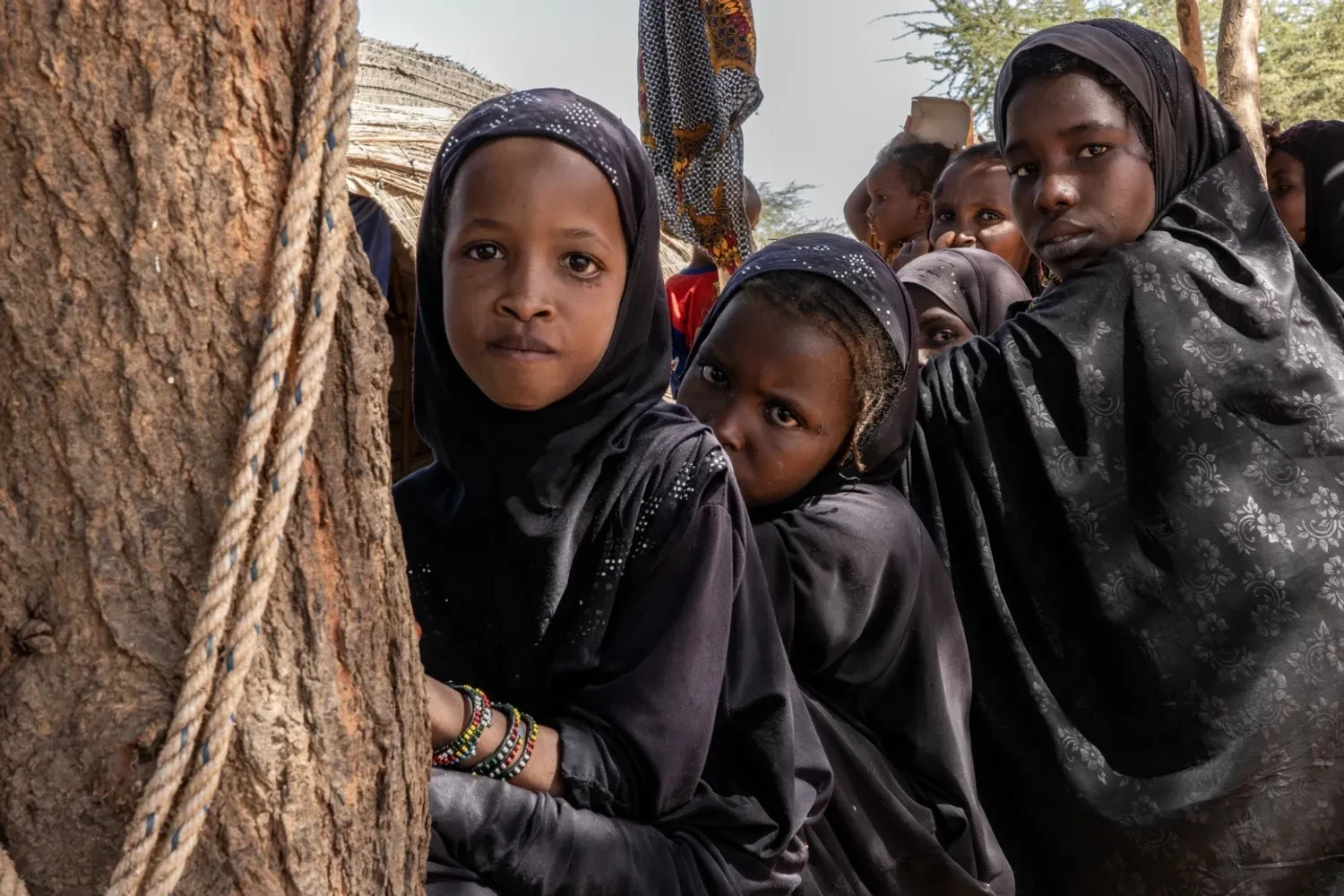
Multiple refugees interviewed at the Mauritanian border—34 in AP's count—reported indiscriminate killings, abductions, sexual violence and mutilation, and many spoke anonymously for fear of reprisals.
AP says survivors described fighters operating alongside Malian soldiers and wearing masks.
ABC reports that two refugees showed videos of burned villages and two others said they found relatives missing livers and kidneys.
UNN echoes AP, saying dozens of refugees described scorched-earth tactics and bodies missing internal organs.
Coverage Differences
Detail vs. verification
AP and ABC include granular survivor claims (numbers interviewed, anonymity, videos, organ removal) while UNN relays these allegations via AP; AP explicitly notes fear of reprisals and limits on verification, whereas ABC emphasizes vivid, corroborating visuals brought by refugees.
Allegations of brutality in Mali
Witnesses and aid workers told AP that Africa Corps fighters often operate alongside Malian soldiers and use masks and Russian-language insults, a pattern that, according to some interviewees, makes them indistinguishable from Wagner.
A quoted village chief told AP there is "no difference between Wagner and Africa Corps," and UNN also cites allegations that the new unit is using the same "scorched earth" tactics attributed to Wagner.
ABC frames these reports as undercutting hopes that Africa Corps would bring less brutality to Mali and the Sahel.
Coverage Differences
Narrative about continuity
AP focuses on operational continuity and quotes local leaders stating there is “no difference between Wagner and Africa Corps,” UNN repeats the claim about similar "scorched earth" tactics, and ABC emphasizes that the accounts “undercut hopes” Africa Corps would be less brutal—each frames continuity but with slightly different narrative weight and phrasing.
Coverage of Mali conflict
At the institutional level, AP reports that the U.N. and legal analysts say civilians have been abused by all sides in the conflict and that Moscow bears responsibility for forces it deploys, while also noting limits on independent verification because journalists and aid workers face restricted access.
AP further records that Russian state media and the Foreign Ministry acknowledged Africa Corps activity 'at the request of the Malian authorities,' and that Russia’s Defense Ministry did not respond to questions.
UNN and ABC incorporate these caveats and state-level acknowledgments into their coverage as well.
Coverage Differences
Attribution and state response
AP explicitly includes U.N. and legal analyst statements placing responsibility on Moscow and notes responses (or lack thereof) from Russian institutions; UNN relays AP reporting including such claims, and ABC focuses more on survivor testimony while also noting the broader institutional context reported by AP.
Coverage of alleged abuses
Reporting highlights both limits and continuity, noting that access restrictions make the full scale hard to verify.
At the same time, multiple independent refugee accounts, videos, and earlier Reuters and Wagner-linked social media posts create a consistent pattern in coverage.
UNN echoes earlier Reuters reporting that accuses the Malian army of killing villagers.
AP documents the Wagner group's prior role, including reported payments from Mali, and notes that Africa Corps was developed after Prigozhin's death.
ABC emphasizes visceral testimony and quotes a displaced village chief calling the operations a 'scorched-earth policy'.
Together, the sources present a convergent picture of grave abuses while also signaling uncertainty about full attribution and scale.
Coverage Differences
Scope and historical context
AP provides the widest institutional and historical context (Wagner’s 2021 involvement, reported payments, Prigozhin’s death and the unclear terms of any current arrangement), UNN highlights the echo of earlier Reuters accusations against the Malian army, and ABC foregrounds survivor testimony and striking visuals; the three sources converge on allegations while differing in what background or evidence they foreground.