Crime15 November, 20252 min read
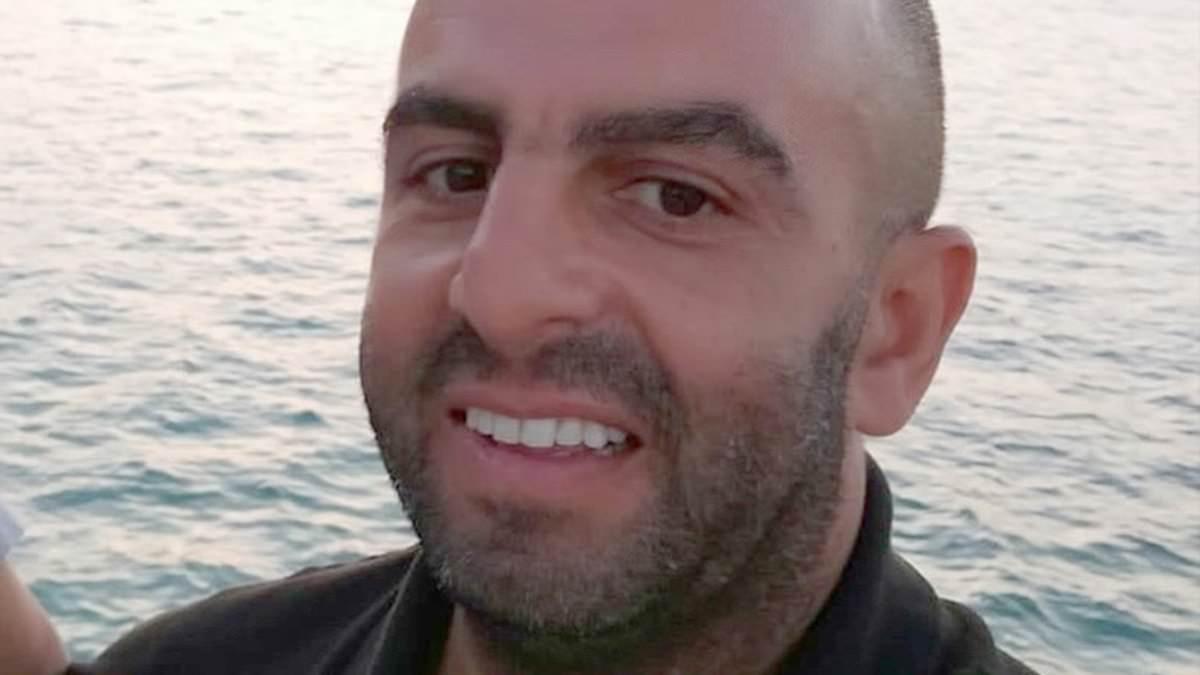
Samir Zitouni Leaves Hospital After Shielding Passengers From Huntingdon Train Stabber
This article is an automated aggregation of coverage from news outlets. Our editorials offer in-depth analysis curated by the NewsCord team.
Samir Zitouni, 48, was seriously injured shielding passengers during the November 1 Huntingdon train stabbing He confronted the attacker, reportedly using a frying pan from the train's kitchen

13 outlets told this the same way.
LNER train attack update
Samir Zitouni, a 48-year-old LNER customer experience host, has been discharged from hospital after being seriously injured while protecting passengers during a mass stabbing on an LNER train from Doncaster to London on 1 November. British Transport Police and LNER credited Zitouni with helping to save multiple lives, according to multiple mainstream outlets.
“Samir Zitouni, 48, an LNER customer experience host known as Sam, has been discharged from hospital after being seriously injured while protecting passengers during a mass stabbing on a high-speed LNER train from Doncaster to London on 1 November.”
His family thanked the public for support and asked for privacy as he continues a significant recovery at home. The suspect, Anthony Williams, has been remanded in custody on charges related to the attack.

Zitouni's injuries and recovery
Reports consistently describe Zitouni’s injuries as serious and note he had been in critical condition with multiple injuries before being discharged to continue recovery at home; several outlets explicitly credit NHS treatment for his ability to leave hospital. A number of sources give the discharge date as 15 November, while others simply report that he has been discharged and is recovering at home. Tabloid pieces add more graphic language about the assault and his fight for life, details that are less emphasised in mainstream reporting.
Coverage of Zitouni's actions
Sources vary when describing Zitouni's exact role and the immediate actions he took to protect passengers. Most mainstream and local outlets identify him as an LNER customer experience host or crew member who has worked for the company for more than 20 years. They credit him with helping save multiple lives.
“Samir Zitouni, 48, an LNER customer experience host known as Sam, has been discharged from hospital after being seriously injured while protecting passengers during a mass stabbing on a high-speed LNER train from Doncaster to London on 1 November.”
A subset of tabloid reports supply more specific and vivid details about improvised defence. For example, the Daily Mail reports he used a frying pan from the buffet carriage to shield people and stop the attacker.
Metro highlights calls from neighbours and colleagues describing him as a community-minded hero. Sky News records LNER managing director David Horne calling his actions incredibly brave.
Coverage of Zitouni story
Across outlets there is a common thread of gratitude and calls for privacy from Zitouni's family. Coverage includes praise from LNER and the British Transport Police and public recognition of his bravery, but diverges on what follows next.
Some pieces note public campaigns and calls for honours, such as petitions or letters urging recognition, while others stick to the immediate human-interest and legal elements of the story. The reporting collectively keeps the family's privacy request prominent while documenting both community admiration and the criminal case against the suspect.