Full Analysis Summary
Chrysotile in children's sand
Laboratory tests found chrysotile asbestos in tubs of children’s play and decorative sand allegedly imported from China.
The discovery prompted widespread checks and closures of schools and daycare centers across Australia and New Zealand.
By Nov. 18, about 40 New Zealand schools and daycare centres had been closed to locate and remove the product.
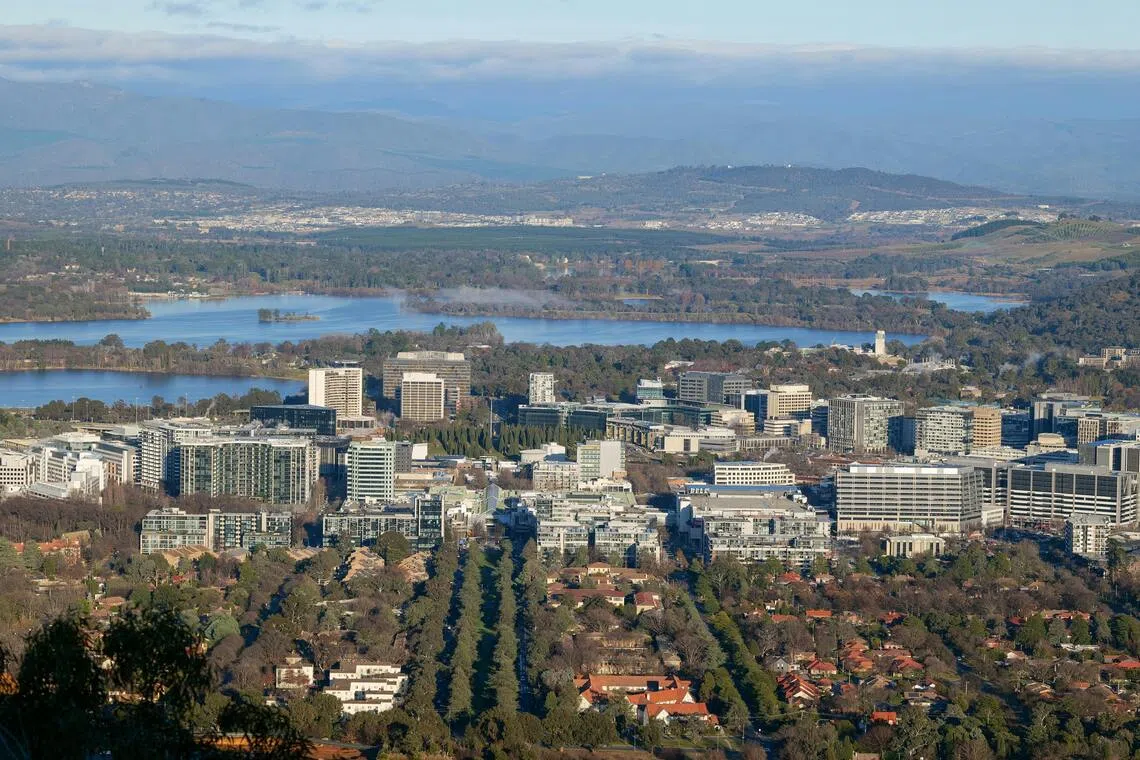
Seventy-one schools in Australia’s capital, Canberra, were shut for assessment, cleanup and remediation.
Reporting noted officials flagged health risks from chrysotile asbestos and that China’s foreign ministry had noted the relevant reports.
Coverage Differences
Emphasis on geographic scope
The Straits Times (Asian) highlights both Australia and New Zealand closures and explicitly links tests to imports allegedly from China, while suryaa (Asian) and bernama (Asian) focus more narrowly on the Australian Capital Territory closures in Canberra. Straits Times quotes place the issue in a trans-Tasman context, whereas suryaa and bernama emphasize the local ACT audit and school counts.
Source attribution and international response
The Straits Times uniquely notes a response from China’s foreign ministry — “noted the relevant reports” — which neither suryaa nor bernama include in their local-focused accounts, shifting the narrative from purely local containment to an international trade/import angle.
Tone (alarm vs. measured response)
Suryaa and bernama emphasize official reassurances — quoting ACT officials and the ACCC saying the health risk is small and respirable asbestos was not detected — giving a more measured tone. The Straits Times pairs closure counts with the direct health warning about chrysotile’s link to lung cancer, producing a comparatively more cautionary tone.
Asbestos in school sand
Authorities in the Australian Capital Territory ordered mass school closures after an audit found decorative sand products that tested positive for asbestos.
Officials said 71 of 94 public schools in Canberra and nearby suburbs were affected.
An earlier round of closures had impacted 24 schools and preschools, two of which later reopened.
New Zealand closed about 40 schools and daycare centres to locate and remove contaminated sand.
Officials described the measures as necessary for mapping and safe removal, and said closures could last several days while remediation is carried out.
Coverage Differences
Numerical detail and sequencing
Suryaa provides granular local detail — “71 of 94 public schools” and that 24 earlier closures had occurred with two reopenings — while The Straits Times includes the New Zealand closure count (about 40) alongside the Canberra number. Bernama’s account closely mirrors suryaa on the Canberra figures but frames the information as relayed from Xinhua/Bernama.
Framing of closure duration and purpose
Both suryaa and bernama quote ACT Education Minister Yvette Berry emphasizing closures could last several days while staff “map” the sand for safe removal; The Straits Times also notes remediation actions but pairs them with a stronger explicit health warning about chrysotile’s long-term risk.
Scope of contamination reporting
The Straits Times uniquely mentions WorkSafe New Zealand confirming contaminated batches and warns the sand is used in classroom activities and home crafts, broadening the public-safety scope beyond the ACT audit that suryaa and bernama emphasize.
Asbestos risk and response
Health authorities and regulators offered both cautionary notes and reassurances.
Officials cited the health risks associated with chrysotile asbestos, which is linked to lung cancer after long-term exposure.
The ACCC and ACT Education Minister Yvette Berry told the public that the immediate risk to students and staff is small and that respirable asbestos was not detected in tested samples.
Reporting also noted that respirable fibres are unlikely to be released unless the sand is crushed or pulverised.
This technical point was invoked to temper alarm during cleanup.
Coverage Differences
Risk emphasis vs. reassurance
The Straits Times foregrounds the health risk by noting chrysotile’s link to lung cancer, while suryaa and bernama more prominently quote officials minimizing immediate danger and explaining test results (respirable asbestos not detected), creating a balance between warning and reassurance across sources.
Use of authoritative health data
Suryaa explicitly cites WHO findings on asbestos’ lethality — stating all forms cause cancers and chronic respiratory disease and are responsible for over 200,000 deaths globally each year — giving an international-health-context layer that the other pieces do not quote verbatim.
Technical caveat consistency
Both suryaa and bernama repeat the ACCC’s technical caveat — respirable asbestos not detected and unlikely unless crushed — showing consistent reliance on regulator statements; The Straits Times includes WorkSafe New Zealand’s contamination confirmation, adding the enforcement/regulatory angle.
Asbestos contamination and recalls
Regulators moved to recall and test multiple products.
The ACCC issued a recall after laboratory tests detected chrysotile asbestos in a colourful decorative sand product and later found asbestos in additional products.
Officials reported contamination in multiple batches, prompting audits and mapping in schools while authorities trace distribution to ensure safe removal and remediation.
Coverage Differences
Detail on number of affected products
Suryaa and bernama explicitly report that the ACCC found asbestos in multiple products — suryaa says asbestos was later found in four more products — while The Straits Times reports contaminated batches and broader checks without specifying the exact number of additional products in the snippet provided.
Regulatory framing vs. international note
Suryaa focuses on ACCC actions and technical testing details, bernama mirrors that regulatory framing and attributes some details to Xinhua/Bernama, while The Straits Times adds the international angle by noting alleged import links to China and China’s ministry comment, bringing trade and diplomatic context into the story.
Action vs. reporting scope
Bernama’s piece explicitly places the Canberra closures and ACCC recall in a succinct news-wire style, while suryaa includes explanatory technical context (WHO, respirable fibres) and The Straits Times connects the public-health concern to classroom uses and cross-border import implications.
Comparing media regulatory coverage
Taken together, the reporting shows consistent regulatory intervention — audits, recalls and school mapping/remediation.
The Straits Times underscores cross-border import questions and WorkSafe New Zealand confirmations.
suryaa foregrounds ACCC technical findings and WHO context to stress health implications.
bernama provides a concise news-wire style summary echoing official ACT statements.
Each source cites official statements and regulatory findings, but the balance between alarm, technical reassurance and international trade attribution differs across the pieces.
Coverage Differences
Overall narrative focus
The Straits Times emphasizes international and broader public-safety angles (import links, WorkSafe NZ), suryaa brings technical health context (ACCC testing details and WHO statistics), and bernama offers a concise wire-style account primarily relaying ACT and ACCC statements; these choices shape whether readers perceive the event as a local containment issue, a public-health warning, or an import-trade concern.
Reliance on official reassurance
Suryaa and bernama repeatedly quote the ACT Education Minister and the ACCC reassurance about low immediate risk and absence of respirable asbestos in tested samples, while The Straits Times juxtaposes those reassurances with explicit health-risk language and WorkSafe NZ confirmation of contamination, which can produce a more cautionary reader takeaway.
Attribution to external actors
Only The Straits Times includes a direct reference to China’s foreign ministry stating it had “noted the relevant reports,” introducing diplomatic attribution absent from the more locally focused suryaa and bernama pieces.