Britain03 February, 20263 min read
Sarah Ferguson Befriended Convicted Paedophile Jeffrey Epstein and Solicited Money in Newly Released Emails
Sarah Ferguson exchanged emails with Jeffrey Epstein requesting money, employment, and support. Emails show Ferguson describing herself as traumatised, alone, and increasingly desperate.

9 outlets told this the same way.
Outlets did split on UK Police Charge Teddy Young With Spying For Foreign Power, Royal Navy Member →
Duchess-Epstein message disclosures
Newly released U.S. Department of Justice files show the Duchess of York, Sarah Ferguson, exchanged warm, familiar messages with convicted paedophile Jeffrey Epstein in 2009–2010, including intimate phrasing and invitations.
“Newly released emails show the Duchess of York, Sarah Ferguson, exchanging warm, familiar messages with convicted paedophile Jeffrey Epstein in 2009–2010.”
The Mirror reports Ferguson thanked Epstein for a compliment in front of her daughters, called him "the brother I have always wished for," and at one point said "just marry me" while praising his "generosity and kindness."
The BBC's account of the DOJ disclosures says the documents include emails and messages involving Sarah, Duchess of York (Sarah Ferguson) and suggests some exchanges occurred "including while he was in prison."
The Daily Mail notes the broader document trove also contains messages attempting introductions between Epstein and members of the royal circle.
The material has drawn immediate public attention because it links a senior royal figure to communications with Epstein during the period after his 2008 conviction.
Ferguson and Epstein files
The Mirror reports a specific August 3, 2009 note and says Ferguson later invited Epstein to Prince Andrew’s 50th birthday at St James’s Palace in February 2010, less than a year after his release from prison. The Mirror also reports she declined Epstein’s offer of a lift for a lunch with her daughters, saying she had arranged cars and a 'backup for the policeman'. The BBC’s summary adds that a July 2010 email from Ferguson complained the British press and the Palace had left her 'hung out to dry' and said she feared being discredited.
The BBC also says the disclosures prompted Ferguson’s charity, Sarah's Trust, to announce it will close 'for the foreseeable future'. Taken together, these concurrent details create a picture in which personal warmth, logistical refusal of a ride, and reputational worry all appear in the same document set.
Coverage of DOJ file release
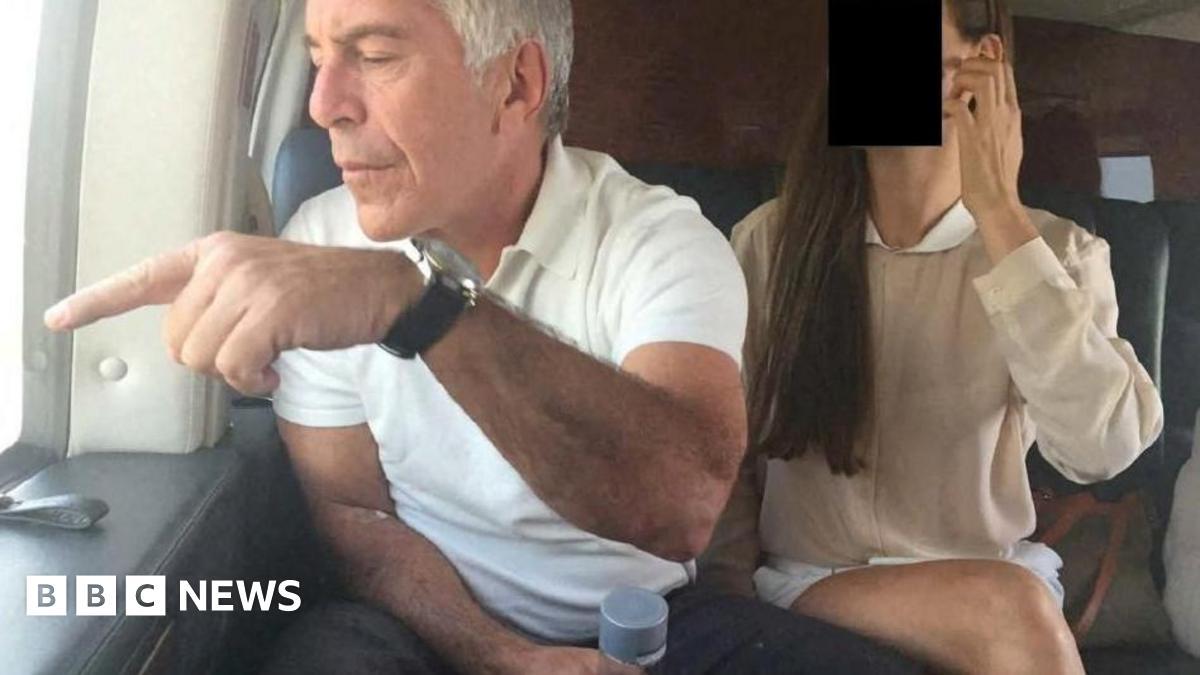
The release sits inside a far larger, messy DOJ disclosure that has produced intense reporting on redactions, exposed imagery and high-profile names. The AP summarized the broader document release as roughly '2,000 videos and 180,000 images' where reporters found 'widespread, reversible or missing redactions,' and the NBC summary warns the Justice Department released 'millions of Epstein-related records' that 'include emails and calendar notes referencing high-profile figures' while stressing that it is 'unclear whether visits to Epstein's island occurred.' The Daily Mail's reporting on the material emphasizes additional, often geopolitical claims in the files, for example an FBI warning that an unnamed source believed Epstein was a 'Mossad spy' and his links to Kremlin personnel discussions, showing how different outlets pull different threads from the same trove.
“The Justice Department released roughly 2,000 videos and 180,000 images related to Jeffrey Epstein claiming they’d redacted nudity and victim identities, but reporters found widespread, reversible or missing redactions and other exposed sensitive data, prompting legal fallout and coordinated media review.”
Reactions to disclosures
The disclosures have had immediate real-world effects and raised political and reputational questions. BBC reports that the revelations prompted Ferguson’s charity, Sarah’s Trust, to close for the foreseeable future and notes that Prince Andrew’s office has been contacted while he has consistently denied any wrongdoing.
NBC and AP say the releases prompted survivors and some members of Congress to demand transparency and raised concerns about sloppy redactions that exposed victims, while NBC emphasizes that unnamed high-profile references remain unverified. The Daily Mail highlights links to other alleged victims and associates, noting Epstein’s ties to Ghislaine Maxwell and emails that claim trafficked women were being introduced to royals.
Media responses to DOJ release
Taken together, the sources show concrete, quotable personal exchanges between Ferguson and Epstein. They also show a larger, ambiguous record that mixes verifiable administrative material (dates, invitations, emails) with unverified or sensational claims in the same data dump. Mainstream outlets such as the BBC, AP, and NBC repeatedly caution about verification and emphasize the legal, journalistic, and survivor-protection dimensions of the DOJ release.
“Prince Andrew (referred to as Mountbatten-Windsor); his office has been contacted and he has consistently denied any wrongdoing.”
Tabloids like The Mirror and the Daily Mail foreground striking quotes, introductions, and geopolitical-sounding claims found in the files. Because the files are voluminous and include disputed or poorly redacted material, key questions remain unresolved, including whether introductions led to meetings, how much Ferguson knew of Epstein's crimes at the time, and the provenance or accuracy of geopolitical or espionage claims recorded in the trove. Several sources explicitly report uncertainty or denials; for example, the BBC notes Prince Andrew has consistently denied any wrongdoing, so the record remains partial and contested.