South America29 January, 20262 min read
Satena Plane Crashes in Northeastern Colombia, Killing 15 Including Congressman Diógenes Quintero
Satena flight crashed in rural mountainous Norte de Santander, northeastern Colombia All 15 people on board died, including congressman Diógenes Quintero and a candidate

16 outlets told this the same way.
Outlets did split on Alexandre de Moraes Orders Eduardo Bolsonaro Arrest, Cancels Passport, Enforces Four-Year Sentence →
Colombian turboprop crash
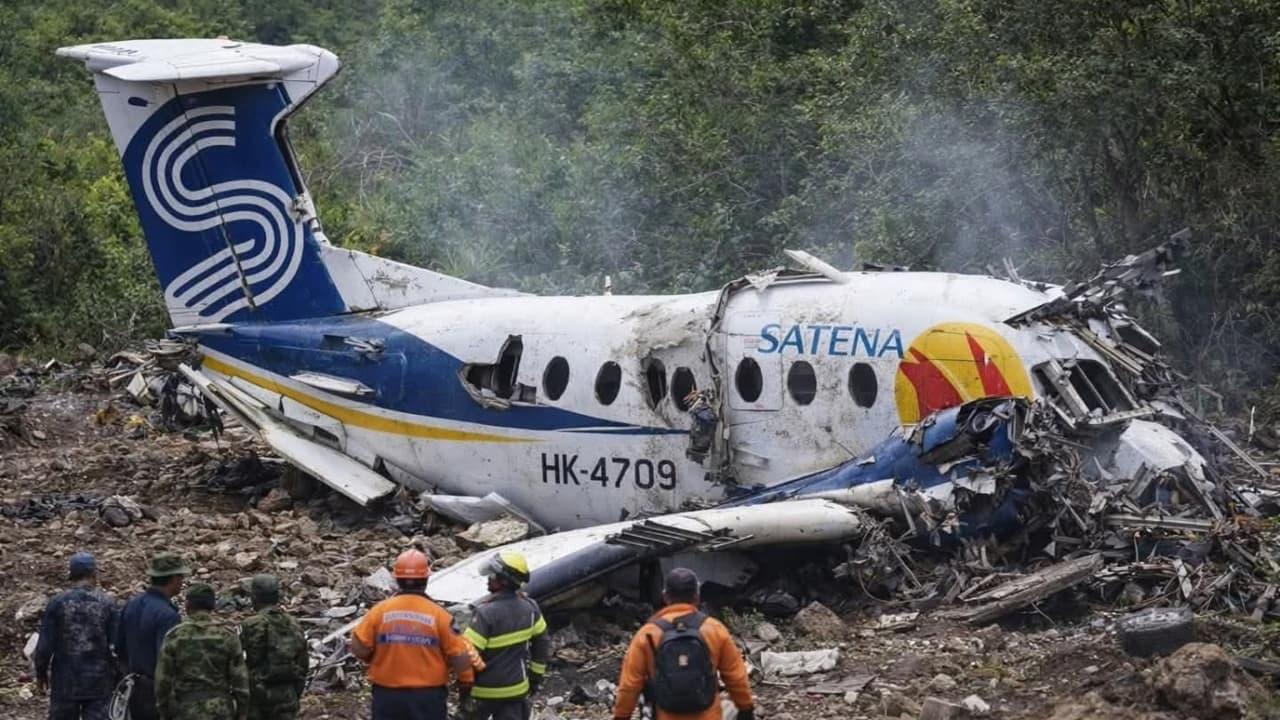
A small state-operated Satena Beechcraft 1900 turboprop, reported in some sources as registration HK4709, crashed on Jan. 28 in a remote, mountainous part of Norte de Santander in northeast Colombia.
“A small Satena plane (registration HK4709) crashed Wednesday in a rural area of Norte de Santander province in northeast Colombia, killing all 15 people on board — two crew and 13 passengers.”
All 15 people on board were killed: two crew and 13 passengers.

The aircraft had departed Cúcuta around 11:42 a.m. for a short flight to Ocaña and lost contact with air traffic control minutes after takeoff.
Wreckage was later located in a rural area variously reported as between Ábrego and La Playa, Curasica, or Playa de Belén.
Authorities confirmed there were no survivors and have launched investigations into the cause of the crash.
Colombia crash victims
Among the victims were Congressman Diógenes Quintero (36) and social leader and congressional candidate Carlos Salcedo. Multiple outlets describe Quintero as a human-rights defender or advocate and note he occupied a seat reserved to represent victims of Colombia’s armed conflict.
Reports identify the two crew and 13 passengers as all deceased. Authorities list Quintero and Salcedo among those killed and are working to confirm other passenger identities.
Plane crash response
Local residents and farmers reported the crash and alerted authorities. Rescue teams, military units and aviation authorities conducted searches and located the wreckage in difficult terrain. Authorities and Satena said the cause has not been determined.
“Transport Minister María Fernanda Rojas said emergency protocols were activated and Colombia’s Civil Aviation Authority has opened an investigation.”
The Transportation Ministry and Colombia's Civil Aviation Authority have opened investigations and emergency protocols were activated. Some outlets also report operational details such as the plane's last radio contact time and that Satena said the emergency locator beacon had not been activated.
Flying hazards in Colombia
The crash renewed attention to hazards of flying in Colombia's rugged border regions. Several reports underscore the remoteness and mountainous terrain of the flight path and point to broader safety concerns on regional routes.
WION and Asianet say the site is in a coca-planted, mountainous area where illegal armed groups are active. Other outlets emphasize the difficult terrain and routine operational risks faced by state-run regional flights.
Reactions to aviation accident
Colombian national leaders and political parties issued condolences. The Transportation Ministry and aviation authorities pledged investigations into the incident.
“President Gustavo Petro and Quintero’s U Party expressed condolences.”
President Gustavo Petro and Quintero’s party publicly expressed sorrow, and some outlets noted Vice President Francia Márquez also weighed in. Officials emphasized that the cause remains undetermined while investigators examine wreckage and flight data.
