Business08 December, 20252 min read
Saudi Arabia and Qatar Sign Landmark High-Speed Electric Rail Agreement to Link Riyadh and Doha
Saudi Arabia and Qatar signed an agreement to build a high-speed electric passenger railway The 785-kilometer line will exceed 300 km/h and cut Riyadh–Doha travel to about two hours
16 outlets told this the same way.
Outlets did split on CATL Starts Trial Production at Debrecen Battery Cell Plant in Hungary →
Riyadh-Doha High-Speed Rail
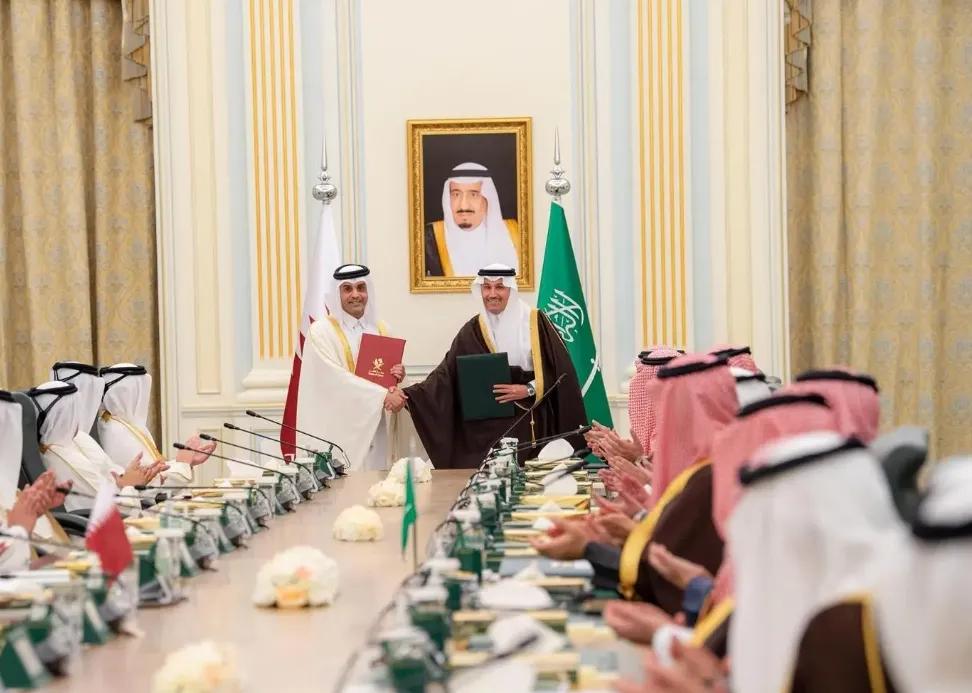
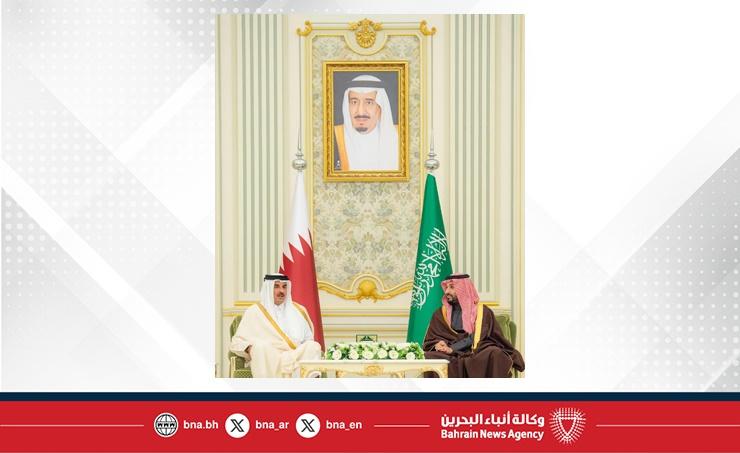
On 8 December, Saudi Arabia and Qatar signed a landmark implementation agreement to build a high-speed electric passenger railway linking their capitals, Riyadh and Doha, with the signing witnessed by top leaders including Qatar’s Emir Sheikh Tamim bin Hamad Al Thani and Saudi Crown Prince Mohammed bin Salman. Reports indicate the deal was signed under the Saudi-Qatari Coordination Council and carried out by transport ministers, with the project described as a major bilateral infrastructure initiative announced during the Emir’s visit to Riyadh. Several outlets presented the signing as a high-profile event that underscores rapidly improving ties between the two countries.
“Saudi Arabia and Qatar announced a landmark agreement to build a high-speed electric rail link between Riyadh and Doha. The announcement was made during a Qatari-Saudi Coordination Council meeting in Riyadh attended by Qatar’s Emir Tamim bin Hamad Al Thani and Saudi Crown Prince Mohammed bin Salman.”
Proposed high-speed Riyadh-Doha link
Key technical details reported across outlets describe a roughly 785-kilometre route linking King Salman International Airport in Riyadh with Hamad International Airport in Doha, running via Saudi stops including Al-Hofuf and Dammam. The planned high-speed electric trains are reported to operate at speeds above 300 km/h and to cut rail travel between the two capitals to about two hours, offering an alternative to the roughly 90-minute direct flight that currently links the cities. Multiple reports also state the project is intended to meet advanced international safety and rail-technology standards.
Economic and employment impact
Coverage of the project's economic and employment impact is consistent on headline figures: multiple outlets cite expectations of around 10 million passengers per year and roughly 30,000 direct and indirect jobs during construction and operation.
“The project is due to be completed in six years and is expected to carry about 10 million passengers annually.”
Some reports further quantify the economic uplift — for example Arabian Business and Economy Middle East cite an estimated SAR115 billion (about $30.7 billion) boost to GDP — while other outlets report passenger and jobs figures without the monetary estimate.
GCC Rail Pact Context
Reports place the rail pact in a broader political and regional context. Several outlets describe the project as a symbolic marker of post-2017 reconciliation and deepening Gulf Cooperation Council ties. They note the restoration of ties at the 2021 AlUla summit and subsequent high-level meetings and cooperation.
Al Jazeera and Travel And Tour World emphasize the diplomatic significance and ongoing leader-level coordination on regional issues. Other outlets such as Anadolu Ajansı and Kuwait Times report the diplomatic improvements more tersely while also listing a wider set of cooperative agreements signed during the Coordination Council meeting.

Rail project timeline and impacts
Most outlets report the project is planned for completion within six years. They say it will use advanced rail technologies and follow international safety standards. Coverage emphasizes environmental benefits, portraying the electric system as a lower-emission alternative to short flights and road traffic.
“The project is due to be completed in six years and is expected to carry about 10 million passengers annually.”
Business-focused outlets also highlight alignment with national economic strategies such as Saudi Vision 2030 and Qatar National Vision 2030. Reports expect boosts to tourism and trade and significant job creation during construction and operation.