Full Analysis Summary
Rise in Saudi executions
Saudi Arabia has carried out at least 347 executions this year, surpassing a previous national record of 345 set in 2024.
Rights campaigners highlighted the toll, and the BBC reported the figure.
The UK campaign group Reprieve described the number as the 'bloodiest year of executions in the kingdom since monitoring began.'
The BBC noted that Saudi authorities did not respond to requests for comment.
Reporters placed the surge in executions in the context of changes under Crown Prince Mohammed bin Salman, who has combined social liberalisation with intensified suppression of dissent.
Coverage Differences
Missing comparative sources
Only the BBC excerpt is provided among the supplied sources. That means there is no alternative "source_type" (e.g., West Asian, Western Alternative) in the dataset to compare tone, emphasis, or factual framing. I therefore report what BBC cites (including Reprieve) and state that broader cross-source contrasts cannot be made from the provided material.
Executions for drug offences
Campaigners and the BBC report that around two-thirds of those executed were convicted of non-lethal drug-related offences.
Reprieve says 96 of the executions were linked only to hashish.
The BBC also states more than half of those executed this year were foreign nationals.
Human-rights organisations and the UN, as cited by the BBC, argue that executing people for drug-related offences violates international norms.
Coverage Differences
Tone and emphasis (limited to available source)
Because only BBC reporting is available, the emphasis is on Reprieve and UN criticism of drug-related executions as violating international norms. Without additional source types, it is not possible to show whether other outlets might emphasise legal process, national sovereignty, or different contextual details.
Examples of recent executions
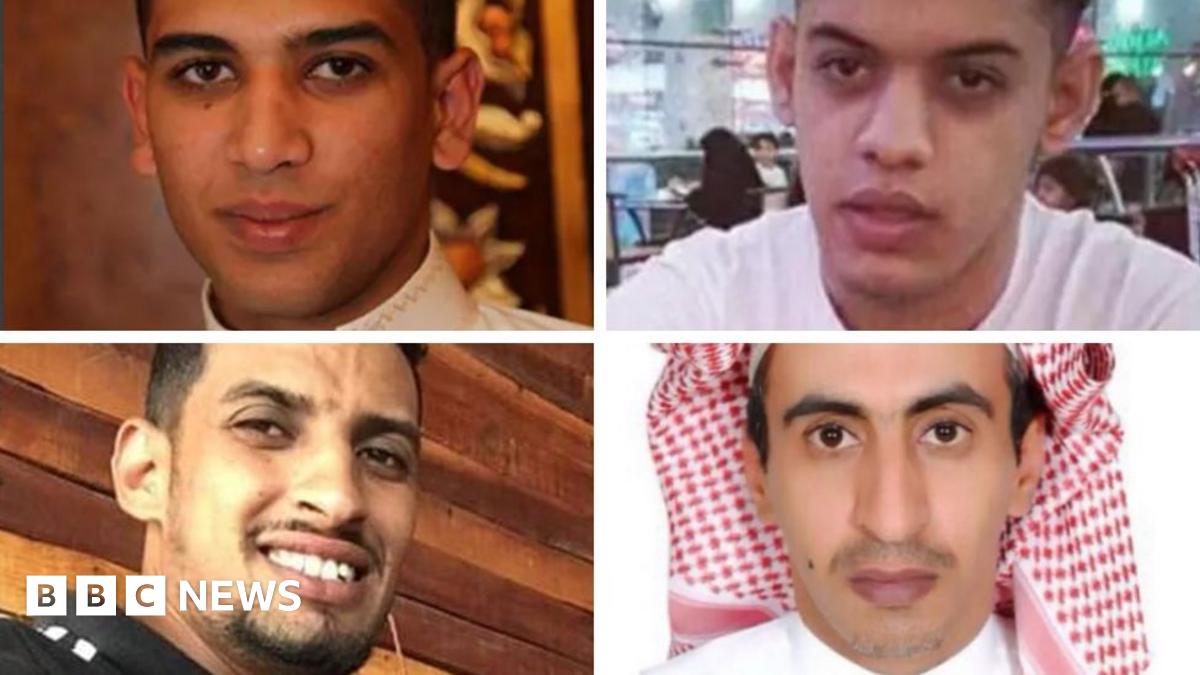
The BBC provides specific examples among the recent executions: two Pakistani nationals; Egyptian fisherman Issam al-Shazly, arrested in 2021 in Saudi territorial waters who said he had been coerced into smuggling drugs; a journalist; two people who were children at the time of the alleged crimes; and five women.
Campaigners use these illustrative cases to question the fairness and proportionality of capital punishment in Saudi Arabia.
Coverage Differences
Detail selection
The available BBC excerpt selects particular individual cases to illustrate the broader tally. Without other sources, it's unclear whether other outlets would highlight the same individuals, different categories (e.g., political prisoners), or official Saudi explanations.
Allegations of Saudi crackdown
Reprieve, as cited by the BBC, alleges that torture and forced confessions are 'endemic' in Saudi criminal justice and labels the campaign of executions a 'brutal and arbitrary crackdown.'
The BBC links the rise in executions to the end of an unofficial moratorium in late 2022 and frames it within a pattern of intensified suppression even as some social restrictions have been loosened under Prince Mohammed bin Salman.
Coverage Differences
Narrative framing
The BBC frames the executions within a broader political narrative about Crown Prince Mohammed bin Salman's dual approach — loosening some social rules while intensifying repression. Without other supplied sources, it is impossible to show alternative framings (e.g., official Saudi rationales, regional perspectives, or sympathetic domestic coverage).
Limitations of supplied material
The supplied material consists only of a BBC excerpt that cites Reprieve and the UN, with no other source types or distinct outlets provided for cross-source comparison.
This limitation prevents a multi-perspective synthesis beyond BBC reporting and the Reprieve/UN statements as presented by the BBC.
Where possible, I have indicated when the BBC is reporting claims by Reprieve or the UN rather than asserting them directly, and I note that additional sources would be needed to assess official Saudi explanations or alternate regional perspectives.
Coverage Differences
Omission / Source availability
Because only the BBC snippet is provided, I cannot identify genuine differences across West Asian, Western Alternative, or other source types. The absence of those sources is itself a substantive limitation and should be noted as such.