Tourism21 December, 20252 min read
Saudi Arabia Expands Access to Its Only Alcohol Store, Privileging Wealthy Foreign Residents
This article is an automated aggregation of coverage from news outlets. Our editorials offer in-depth analysis curated by the NewsCord team.
Saudi expanded alcohol store access to wealthy foreign residents holding Premium Residency Authorities implemented the change quietly with no official announcement
6 outlets told this the same way.
Outlets did split on Houthis Strike Riyadh’s King Khalid International Airport, Injuring Terminal 3 and 4 →
Saudi alcohol access expansion
Saudi Arabia has quietly expanded access to its only licensed alcohol outlet in Riyadh's diplomatic district, opening sales beyond non-Muslim diplomats to include non-Muslim expatriates who hold Premium Residency permits. Reporting says the outlet opened in January 2024 for diplomats and then began admitting Premium Residency holders without any formal government announcement, a change that became visible when long queues formed outside. Coverage also notes the topic carries stigma and that some sources spoke anonymously when discussing alcohol in the kingdom.
“Saudi Arabia has quietly expanded access to its only licensed alcohol store in Riyadh’s diplomatic district, allowing non-Muslim expatriates holding Premium Residency permits to buy alcohol.”
Alcohol access in Riyadh
Coverage consistently reports that Saudi citizens and regular expatriate workers remain barred from buying alcohol, while Premium Residency holders can purchase alcohol but do not receive the same tax exemptions that diplomats do.
Shoppers described the Riyadh outlet as relatively well-stocked overall but with limited beer and wine selections, and several reports also emphasize the store’s high prices and tight security.
Saudi reforms and alcohol
Observers place the change in the context of Saudi Arabia's ongoing economic and social reforms. Munsifdaily describes the move as part of gradual liberalisation.
“The tightly secured store charges high prices and the move is seen as part of the kingdom’s gradual social and economic liberalisation, despite a decades‑long alcohol ban dating to the 1950s.”
The New Indian Express situates expanded access within the Premium Residency programme designed to attract global talent, though that programme requires substantial income or investment to qualify. The historical prohibition on alcohol is repeatedly noted, dating back to the mid-20th century.
Alcohol access and reactions
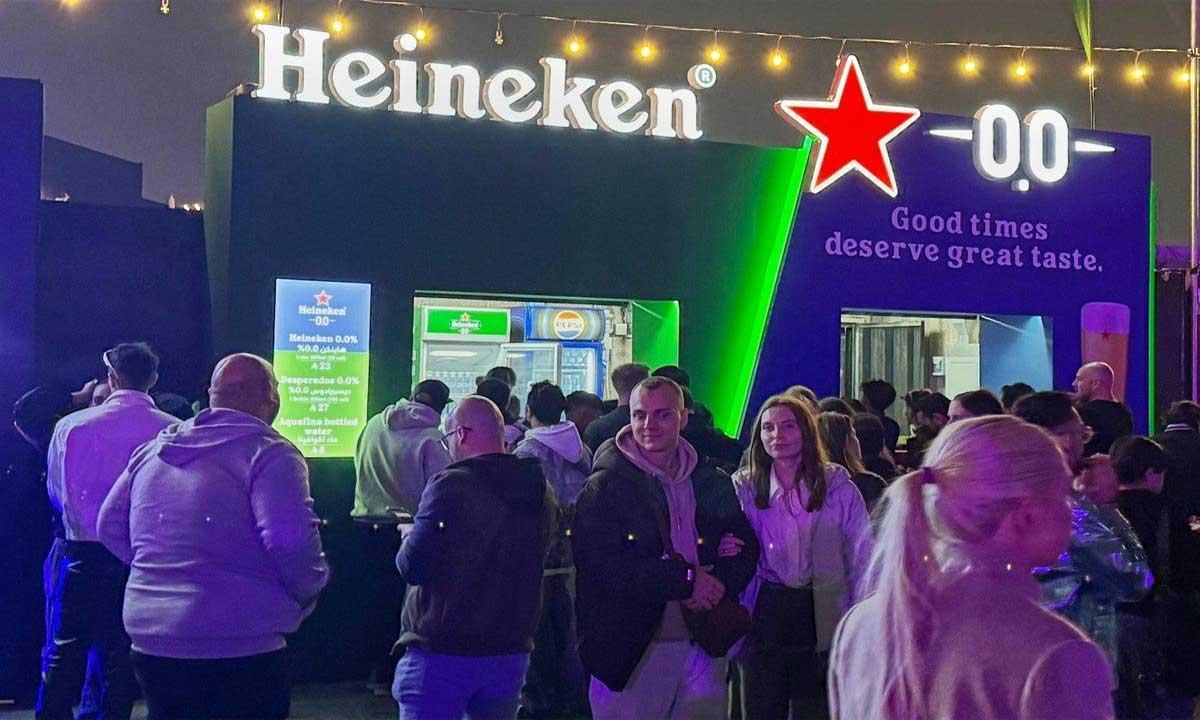
Public reaction and practical consequences are mixed. Reports describe long queues when access to alcohol was widened.
Many residents still travel to nearby Bahrain or Dubai to drink, or resort to smuggled or homemade alcohol domestically, which some outlets call dangerous. Alcohol-free drinks and mocktails have gained popularity as social substitutes and social-media props.
Limited alcohol access
The overall picture is of a limited, unequal easing of access: wealthy non-Muslim foreigners with Premium Residency can now buy alcohol under tight controls and prices, while the majority of Saudis and lower-paid expatriates remain excluded.
“The outlet, opened in January 2024 initially for non-Muslim diplomats, began admitting premium residents without any formal government announcement — a change that became visible when long queues formed outside.”
Important gaps remain: no formal government announcement is recorded in the reporting and one source (Business Standard) provided no readable text, leaving ambiguity about whether this is a permanent policy shift or a narrow, discretionary accommodation.
