India03 November, 20252 min read
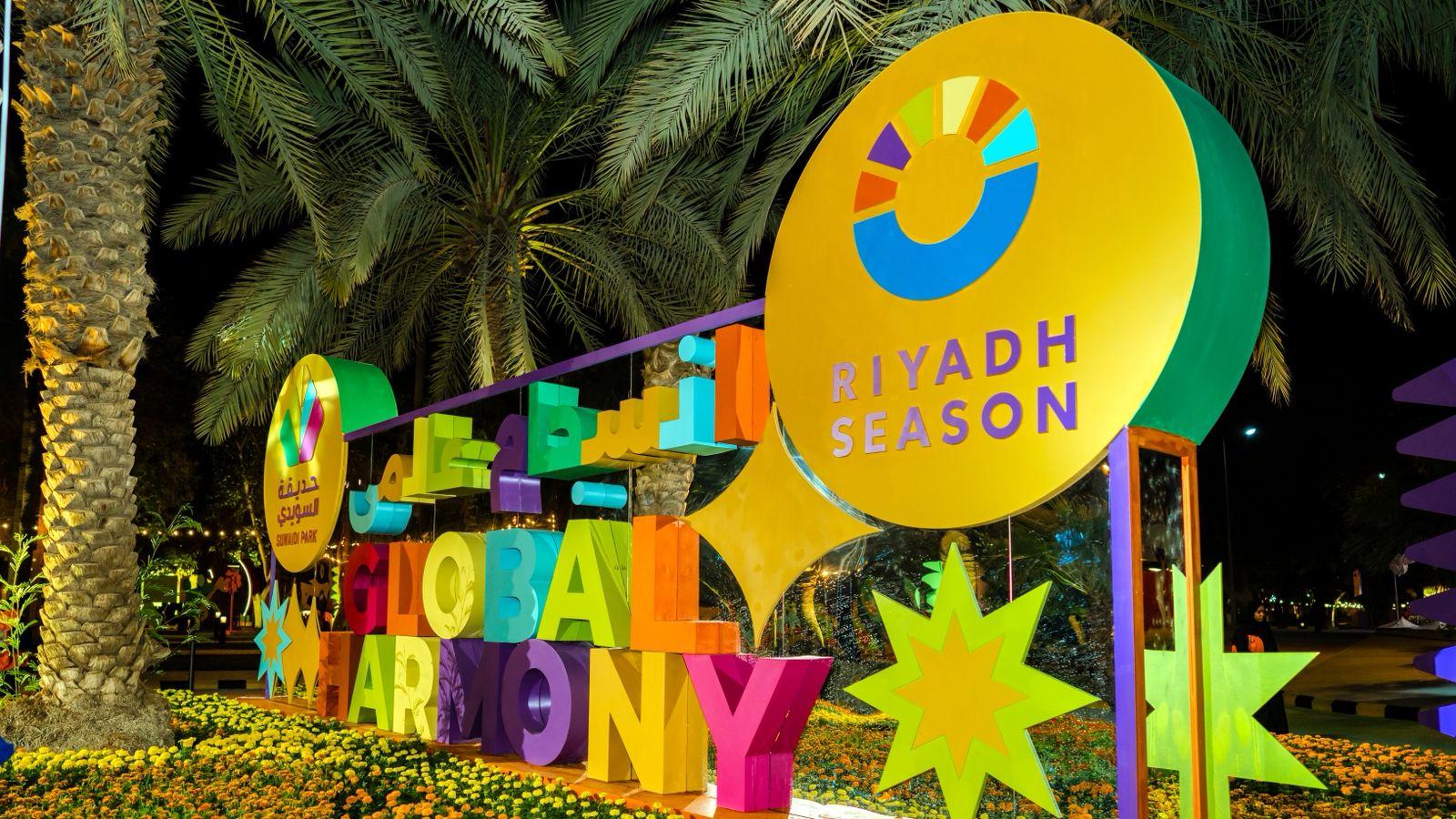
Saudi Arabia Launches Second Global Harmony Initiative to Showcase Indian Culture in Riyadh
This article is an automated aggregation of coverage from news outlets. Our editorials offer in-depth analysis curated by the NewsCord team.
Saudi Ministry of Media launched the second Global Harmony initiative on November 2 India Week is the inaugural celebration of the initiative under Riyadh Season
5 outlets told this the same way.
Outlets did split on Three Indians Rescued From MV Royad Mammadov Attack Depart Romania For India →
Saudi Arabia Cultural Initiatives
Saudi Arabia’s Ministry of Media launched the second edition of the Global Harmony initiative on November 2, opening with India Week as part of Riyadh Season. Business Today frames the launch as aligned with Vision 2030’s Quality-of-Life Program and as a celebration of the Kingdom’s cultural diversity. India Week showcases music, dance, cuisine, art, and crafts featuring prominent Indian artists and media personalities to strengthen India–Saudi ties.
“The Kingdom of Saudi Arabia’s Ministry of Media launched the second edition of the ‘Global Harmony’ initiative on November 2, kicking off with ‘India Week’ as part of the Riyadh Season.”
Deccan Chronicle emphasizes the expanded cultural celebration and reports that Indian Ambassador Suhel Ajaz Khan praised the event for strengthening bilateral cultural ties. Arab News PK, while not covering Global Harmony directly, situates the story in Saudi Arabia’s broader cultural-exchange landscape by reporting on a Japanese Speech Contest in Jeddah marking 70 years of Japan–Saudi diplomatic relations. This illustrates a parallel emphasis on people-to-people exchange.

Cultural Initiative in the Kingdom
The initiative programmatically spans fourteen cultures represented in the Kingdom, including the Philippines, Indonesia, Egypt, Yemen, Jordan, Uganda, and Ethiopia. It features concerts, performances, and cultural activities. Business Today notes collaboration with the General Entertainment Authority and describes the program as promoting inclusivity, coexistence, and mutual understanding.
Deccan Chronicle provides implementation details such as traveling performances, traditional food and handicraft displays, and family-friendly events open to all residents and citizens. Arab News PK highlights the interactive and participatory nature of Saudi cultural events by describing a live Japanese calligraphy demonstration and contestants discussing cultural and educational similarities and differences.

Cultural Diplomacy and Relations
Both Business Today and Deccan Chronicle emphasize people-to-people connections but from different perspectives. Business Today presents the goal as promoting inclusivity, coexistence, and mutual understanding to enrich Saudi Arabia’s cultural landscape. Deccan Chronicle reports that Ambassador Suhel Ajaz Khan praised the event for enhancing India–Saudi cultural ties.
“Organized in collaboration with the General Entertainment Authority, the program aims to promote inclusivity, coexistence, and mutual understanding, fostering stronger people-to-people connections and enriching Saudi Arabia’s cultural landscape.”
Arab News PK adds a diplomatic context by highlighting Japan–Saudi programming celebrating 70 years of relations. The consul general expressed hope for stronger cultural ties, showing how cultural events support bilateral relationships across the Kingdom.
Cultural and Development Initiatives
Strategically, Business Today links Global Harmony to Vision 2030’s Quality-of-Life Program and notes collaboration with the General Entertainment Authority. This collaboration places India Week within national cultural-enrichment goals. Deccan Chronicle focuses on accessible, family-friendly events for residents and citizens, highlighting the initiative’s domestic social reach.
Arab News PK, though covering a different event, reports parallel government priorities by noting separate investment opportunities in Farasan for livestock production. This suggests how cultural announcements can coexist alongside broader development agendas.