Yemen03 January, 20262 min read
Saudi-Backed Yemeni Forces Reclaim Hadhramaut Military Camps From UAE-Backed Southern Transitional Council
Saudi-backed government forces retook key Hadhramaut cities and military camps Saudi-led airstrikes killed about 80 STC fighters, wounded 152, captured 130
22 outlets told this the same way.
Eastern Yemen control update
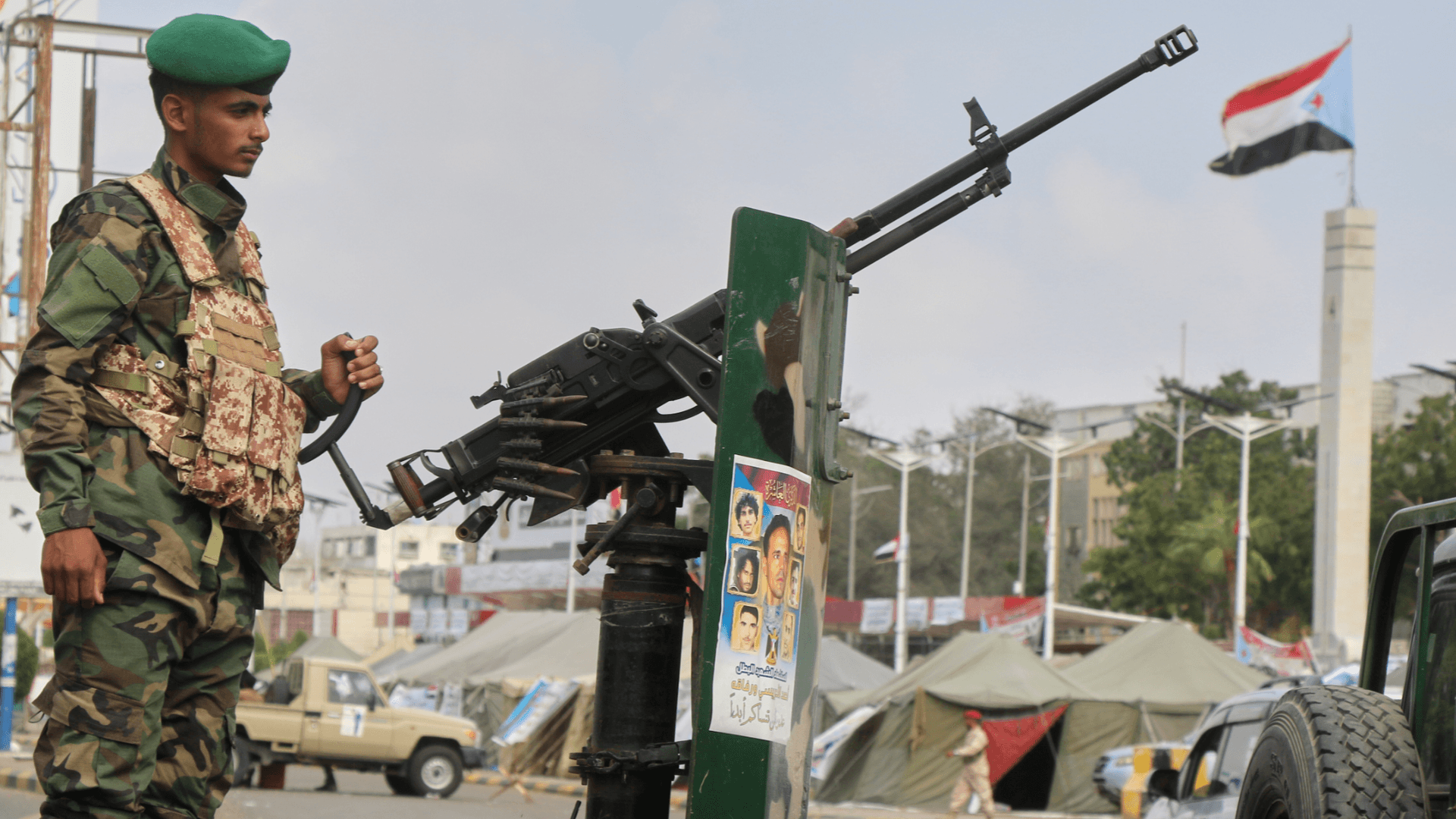
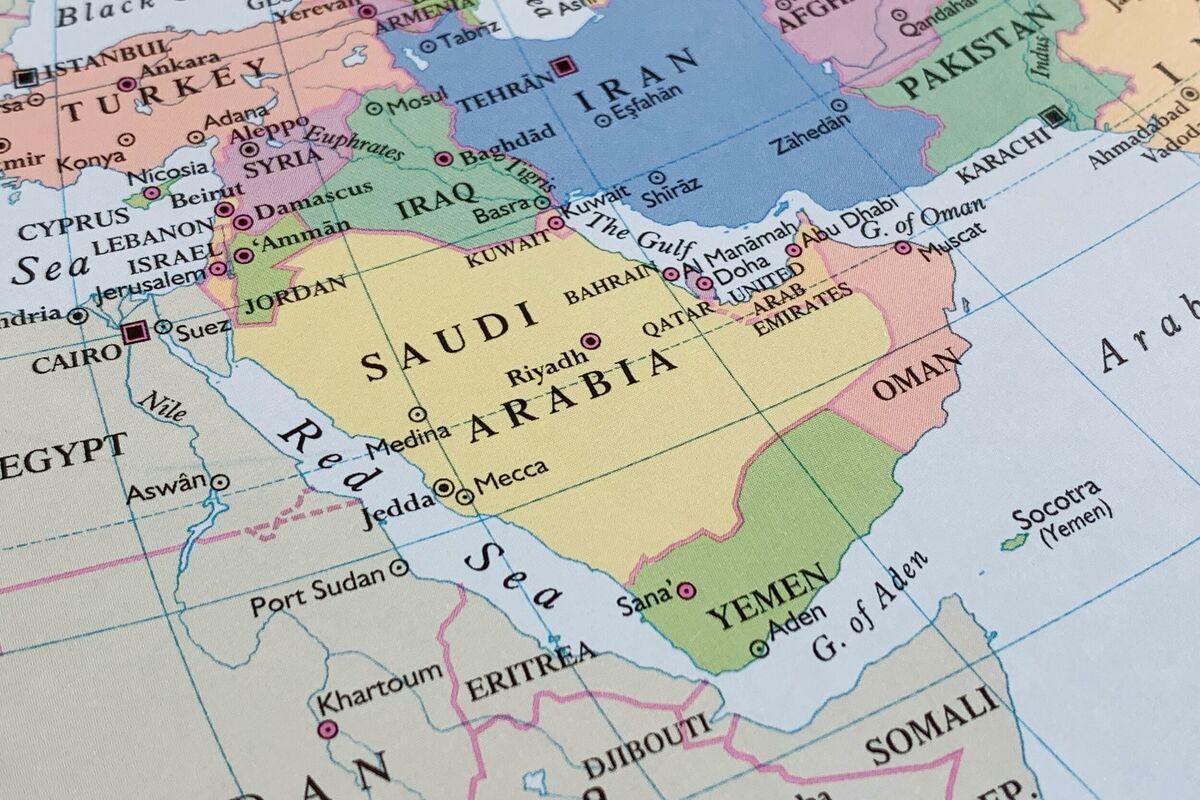
Saudi‑backed Yemeni government forces, supported by the National Shield/Homeland Shield initiative, have reclaimed large parts of eastern Yemen’s Hadhramaut and neighbouring al‑Mahra from the UAE‑backed Southern Transitional Council (STC). Reports say government troops pushed into Mukalla and Seiyun, seizing city centres, airports and military bases after facing limited resistance in some areas.
“Yemeni government forces, backed by Saudi Arabia’s Homeland Shield, have retaken the eastern governorates of Hadramout and al-Mahra from the UAE-backed Southern Transitional Council (STC). An official said at least 152 STC fighters were wounded and 130 captured, and an STC military official reported intense Saudi airstrikes on an STC camp at Barshid, west of Mukalla.”
Reuters‑cited government statements and local reporting indicate consolidation of control in Mukalla and Seiyun as life slowly returned to parts of the governorates. Officials and field sources provide differing tallies of casualties and detainees, but several outlets cite large numbers of STC fighters wounded or captured in the operation.

Saudi-led airstrike reports
Airstrikes by the Saudi-led coalition were central to the offensive narrative across outlets. Multiple sources report bombing of STC camps, notably Al-Khasha and Barshid, and at least one alleged strike on a shipment said to be coming from the UAE. Coverage describes large blasts, fires, and local breakdowns of security in Mukalla tied to these strikes, with witnesses and officials reporting heavy damage and casualties in camp areas.
STC political posture
The Southern Transitional Council's (STC) political posture varies across media reports. Some outlets note that STC leaders welcomed a Saudi offer for a dialogue conference as a possible avenue to protect southern aspirations.
“Despite the violence, the STC welcomed a Saudi offer of dialogue as a ‘genuine opportunity’ to protect southern aspirations.”
Other sources report the STC has simultaneously advanced a formal push for secession, including a roadmap, a two-year transitional charter or a 'State of South Arabia' proposal, and a planned referendum. That duality—openness to talks alongside formal moves toward independence—is presented differently depending on each outlet's focus.
Saudi-UAE diplomatic rift
The clashes underscore a growing and visible rift between Saudi Arabia and the UAE, with reports documenting diplomatic fallout and operational disagreements. Accounts say Saudi authorities pressed the UAE to withdraw or pull back forces, and Yemen’s government moved to cancel defense arrangements.
Outlets report Riyadh offered to host talks and called for a political resolution, while the UAE has publicly affirmed its withdrawal or the dissolution of some counterterrorism teams. Exact details and timelines differ across reports.
Security and humanitarian impacts
Reports highlight security and humanitarian consequences beyond fighting and diplomacy. Witnesses and officials report looting in Mukalla. Aden International Airport was temporarily closed and then partially reopened, but travel disruptions persist.
“Amid the fighting, about 18 suspected al-Qaida detainees escaped from a Mukalla prison.”
Detainees escaped from a Mukalla prison amid the fighting. Local officials have ordered measures to protect state institutions and restore order in Al-Mahra and Hadhramaut. Residents report disrupted services and fear further violence.