Syria09 December, 20252 min read
Saudi Firms Sign Deals With Syrian State To Develop Oil And Gas Fields, Ramp Up Production
This article is an automated aggregation of coverage from news outlets. Our editorials offer in-depth analysis curated by the NewsCord team.
Four Saudi companies signed agreements with Syrian Petroleum Company to develop oil and gas fields Companies are TAQA, ADES Holding, Arabian Drilling, and Arabian Geophysical & Surveying

6 outlets told this the same way.
Outlets did split on Asad Al-Shaibani Meets Saddam Haftar in Benghazi Over Syrian Consulate And Missing Syrians →
Saudi–Syria energy agreements
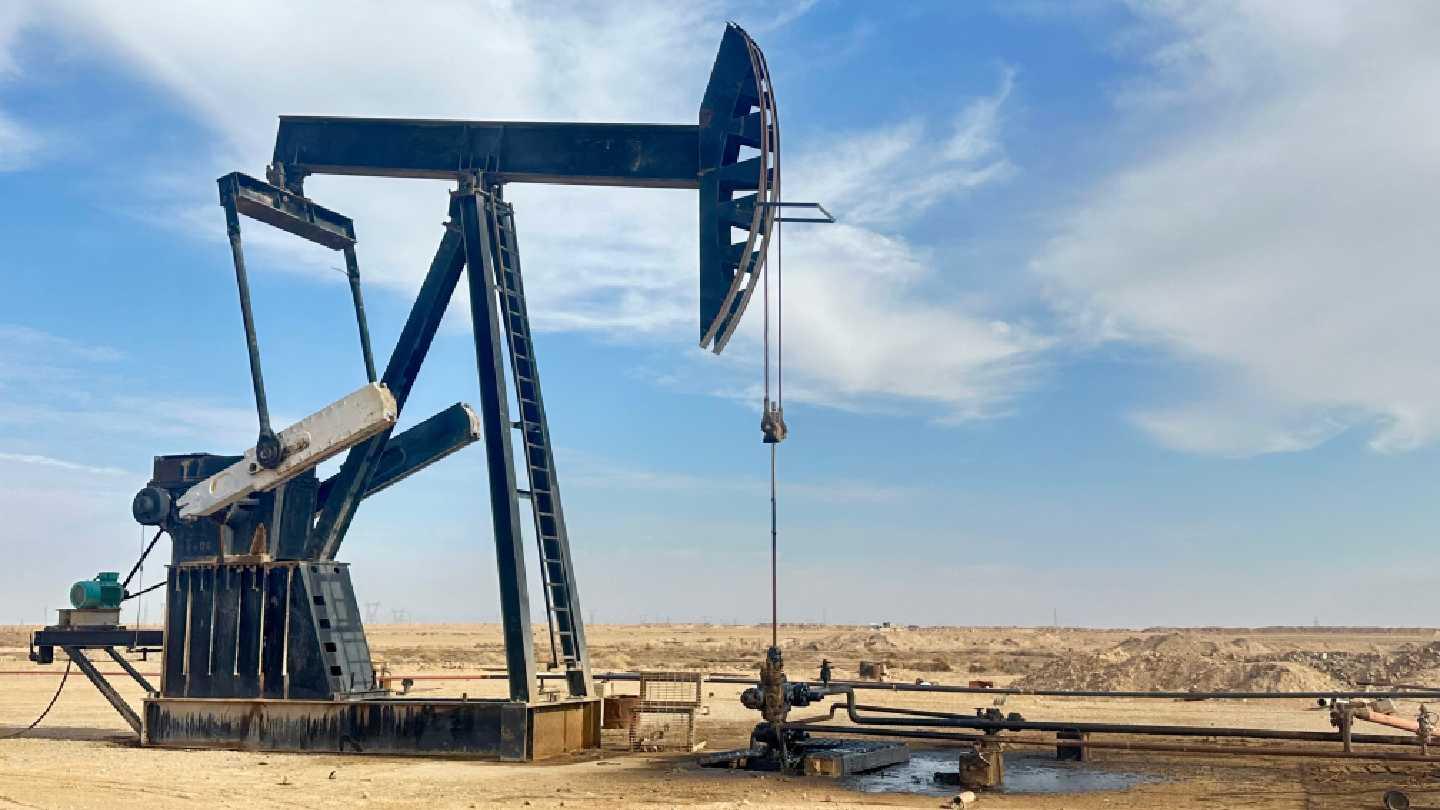
Saudi and Syrian state entities formalized a set of energy deals in December when four Saudi firms signed agreements with Syria’s state-owned Syrian Petroleum Company to provide technical support and develop oil and gas fields.
“Four Saudi firms — Taqa, Argas, Ades Holding and Arabian Drilling — have signed agreements with the state-run Syrian Petroleum Company to develop and service oil and gas projects in Syria, the Saudi Press Agency reported.”
The companies were identified as Taqa (TAQA), ADES Holding, Arabian Drilling Co., and Arabian Geophysical & Surveying Co. (Argas), with roles including field development, gas production, seismic surveying, drilling services, and workforce training.

The agreements were reported to have been overseen by Saudi energy authorities and described as an extension of memoranda of understanding signed in late August.
Company roles in energy deals
ADES was described as taking on development, operation and production of several gas fields. Taqa reportedly signed a master service deal for construction and maintenance of fields and wells. Argas (Arabian Geophysical & Surveying Co.) would conduct 2D and 3D seismic surveying and related technical work.
Arabian Drilling will supply rigs, crews and operational support, including workover services and training. Reports emphasize the deals span both oil and gas projects and include technical support services and in-field operations.

Saudi-Syria energy cooperation
The timing of the deals is framed in multiple reports as part of a larger Saudi-Syria energy rapprochement that followed earlier gestures, including Saudi pledges and crude transfers intended to ease Syrian shortages. Economy Middle East cites a Saudi pledge in September to grant 1.65 million barrels of crude to stabilize Syria's economy.
“On Dec. 10 in Riyadh, four Saudi companies ... signed agreements with the Syrian Petroleum Co., under the supervision of Saudi Arabia’s Ministry of Energy.”
AGBI notes a September export of 600,000 barrels of heavy crude and references a July energy cooperation agreement and the winding down of U.S. sanctions. Sources present these moves as contextual drivers for the new contracts but differ on the scale and specific measures reported.
Coverage tone divergence
Analysts and energy experts quoted by Economy Middle East warn the assistance is likely only temporary because Syria's oil infrastructure was heavily damaged during the civil war and long-term reconstruction will require broader economic reforms and sustained investment. Other reports emphasize the technical and operational nature of the contracts and state supervision but do not include quotes from critical analysts. This creates a divergence in tone between analytical caution and straightforward reporting of deals.
Reporting on energy deals
Next steps and follow-up described in reporting include planned workshops, field visits and bilateral oversight through Saudi energy bodies. Different outlets point to political and commercial implications. arabnews.jp highlights Ministry of Energy supervision and follow-up workshops.
“The deals cover technical support, development and production in Syria’s oil and gas fields and extend bilateral energy cooperation under memoranda of understanding signed Aug. 28, including follow-up workshops and field visits.”
AGBI stresses prior export moves and a government production target as part of the wider reconstruction agenda. Economy Middle East frames the deals within broader regional cooperation while flagging the need for sustained investment.
Anadolu’s piece reiterates the Syrian state report without adding the commercial detail. The combined coverage shows broad agreement on the deals’ existence but divergent emphasis on scale, specifics and longer-term prospects.