Yemen03 January, 20263 min read
Saudi Forces Retake Oil-Rich Hadramawt Province From UAE-Backed Separatists
This article is an automated aggregation of coverage from news outlets. Our editorials offer in-depth analysis curated by the NewsCord team.
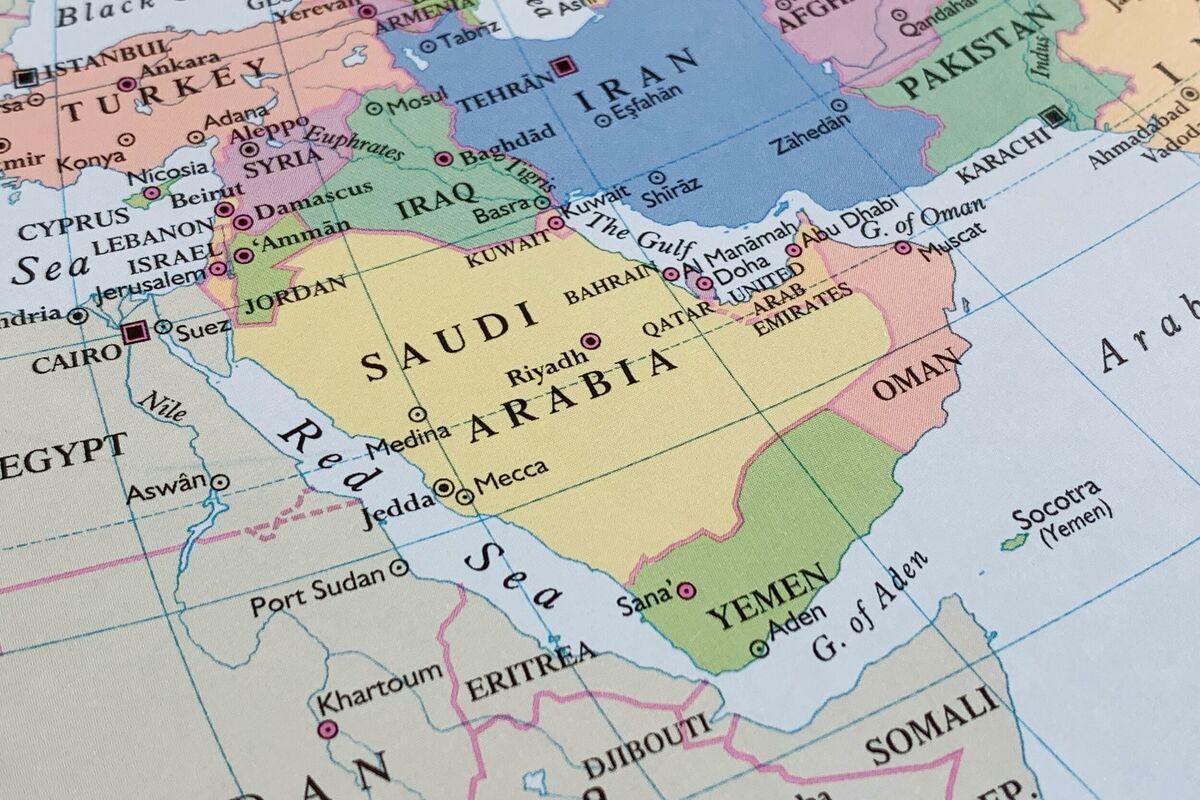
Saudi-backed forces retook Hadramawt province from UAE-backed Southern Transitional Council Rift between Saudi Arabia and the UAE widened as each backed opposing Yemeni factions
5 outlets told this the same way.
Hadramawt retaking overview
Saudi-backed forces advanced into and retook significant parts of Hadramawt province from UAE-backed Southern Transitional Council (STC) separatists. Local reports indicated limited armed resistance in some areas and breakdowns in security in others. The New Arab reported the advance encountered little resistance in parts of Hadhramout province.
“Saudi-backed forces advanced into parts of Hadhramout province with little resistance, while residents reported a security breakdown and looting.”
STC and UAE-backed officials acknowledged withdrawals while saying some units were still resisting in Mukalla and Seiyun. The Guardian noted the Saudi-backed government moved to retake Hadramawt after the STC had seized the province, framing the events alongside the STC’s political moves.
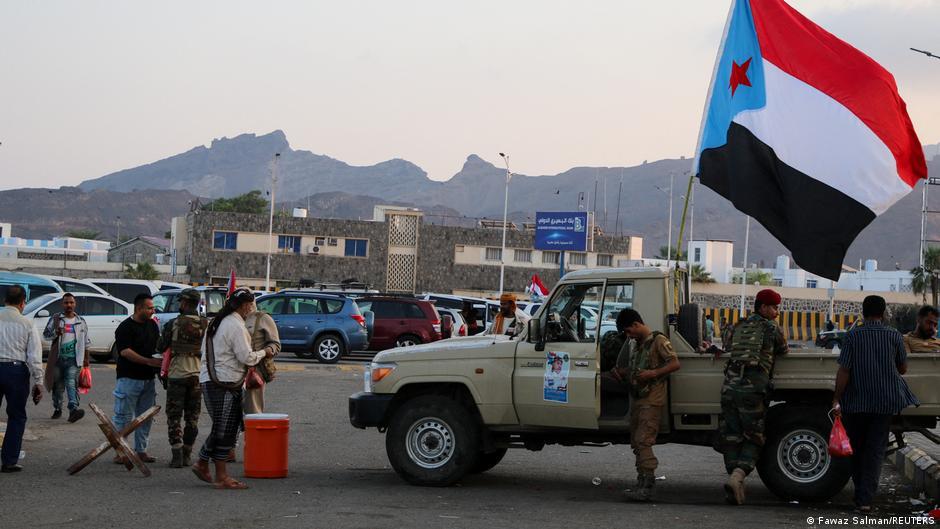
The Diplomatic Insight placed the retaking in strategic context, noting government forces moved to recover territory the STC had seized, including oil-producing areas of Hadramawt. Together these accounts describe a rapid government push to restore control over a strategically valuable province amid separatism and shifting frontlines.
Ground advances and airstrikes
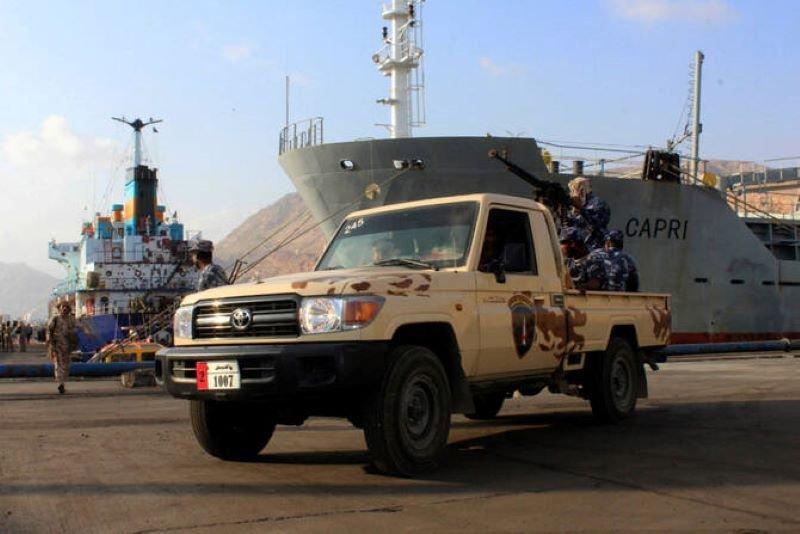
On the ground in key towns, reports describe seizures of airports, administrative buildings and instances of looting as forces pushed in. The New Arab reports that in Mukalla retreating troops used military vehicles to carry motorbikes and household goods such as refrigerators and washing machines. The New Arab also says that in Seiyun pro-Saudi forces seized the airport targeted in recent strikes and took administrative buildings.
The Guardian corroborates claims of military action and strikes, noting that Saudi airstrikes reportedly struck an airport as government forces claimed a key military base. Diplomatic Insight reports that government-aligned forces said they recaptured a key military base with airstrike support. These accounts collectively depict a mixed operation of ground advances and air support with civilian impacts and contested control of infrastructure.
STC push for southern independence
The retaking comes amid the STC’s escalating bid for southern autonomy or independence. The Guardian reports the STC has unveiled a constitution and effectively declared independence for southern Yemen. Diplomatic Insight says the STC has called for a roadmap to independence and plans a referendum within two years.
“The UAE-backed Southern Transitional Council (STC) has unveiled a constitution and effectively declared independence for southern Yemen, seeking to create a breakaway state that would split the Arabian Peninsula’s poorest country.”
Saudi Arabia has publicly urged dialogue, inviting comprehensive talks and endorsing Rashad al-Alimi’s request that Riyadh host inclusive discussions. Meanwhile, New Arab references STC and UAE-backed officials acknowledging withdrawals, underscoring a complex mix of local pullbacks, political declarations and external diplomatic pressure.
Humanitarian and strategic impacts
New Arab stresses immediate civilian impacts and a breakdown of security, reporting looting and quoting the governor's call for strict measures to secure state institutions, public facilities, and private property. The Guardian frames the split's broader socioeconomic risk, warning a breakaway state would divide the Arabian Peninsula's poorest country.
Diplomatic Insight underscores the strategic stakes, labeling Hadramawt an oil-producing, strategic region whose capture and recapture have wider implications for the anti-Houthi coalition and Gulf patronage. Collectively, these sources signal increased instability for civilians, strategic competition over oil-rich areas, and political fragmentation.

Contested control and diplomacy
Outlook remains uncertain: sources agree control is contested and diplomatic efforts are being encouraged, but they differ on likely trajectories. The Guardian says it is unclear whether the move is immediately enforceable or largely symbolic and notes Saudi calls for a comprehensive Riyadh dialogue. The Diplomatic Insight highlights coalition weakening and a possible STC referendum within two years.
“It is unclear whether the move is immediately enforceable or largely symbolic.”
The New Arab reports remaining pockets of resistance and local security measures as government forces advance. The combination of political declarations, military pushbacks, calls for diplomatic mediation and on-the-ground disorder suggests a fragile, ceasefire-free period where outcomes hinge on Riyadh–Abu Dhabi ties, local resistance and international responses.