Yemen08 January, 20262 min read
Saudi-Led Coalition Launches Airstrikes on Al-Dhale Province Targeting Southern Transitional Council Leader Aidaros Alzubidi
Saudi-led coalition launched more than 15 airstrikes on al-Dhale province, hitting STC positions. Coalition struck after Aidarous al‑Zubaidi missed Riyadh talks and was accused of high treason.

25 outlets told this the same way.
Saudi-led strikes in Yemen
A Saudi-led coalition launched airstrikes on Yemen's al-Dhale (Dhalea) province in early January, targeting forces linked to Southern Transitional Council (STC) leader Aidarous al-Zubaidi after he skipped scheduled Riyadh talks and was accused of "high treason." Media sources report the strikes as a response by Riyadh and allied Yemeni forces to an STC push for secession and recent southern advances, with descriptions ranging from "limited pre-emptive strikes" to more than 15 sorties across Dhale. Coverage situates the strikes within a broader effort by Saudi-backed elements to reassert control over southern areas and limit the STC's mobilization.
“Saudi Arabia-led coalition launched air strikes on southern secessionist forces in Yemen after their leader, Aidarous al‑Zubaidi, skipped Riyadh peace talks. Yemen’s internationally recognised government accused al‑Zubaidi of ‘high treason,’ prompting the coalition’s intervention against the southern movement.”
Aden political crisis
Strikes coincided with swift political moves against al-Zubaidi. He was removed from the Presidential Leadership Council and referred to the public prosecutor on treason charges. He reportedly missed a Riyadh flight intended for de-escalation talks.
Saudi statements accused him of mobilizing forces and fleeing to an unknown location. The STC and some regional outlets insist he remained in Aden and that conditions were not conducive to dialogue.
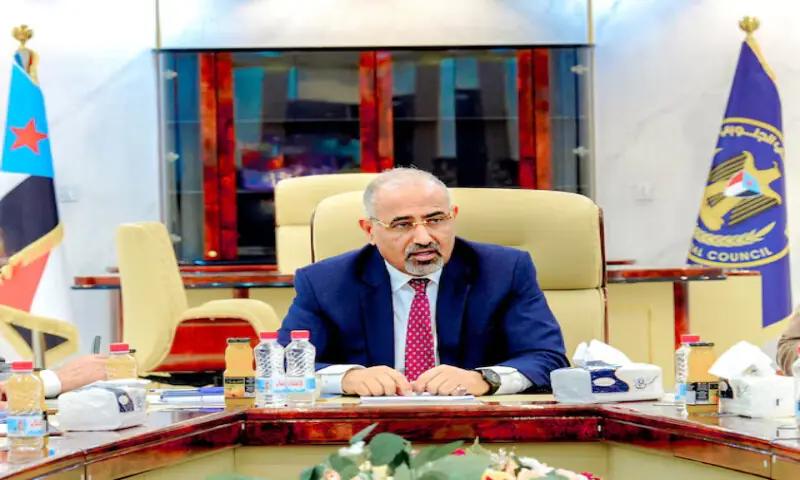
Reports describe an evacuation of STC offices and TV operations in Aden amid fears of Saudi airstrikes. These developments signal a collapse of fragile local power-sharing arrangements.
Casualty and damage reports
Reports of casualties and damage are inconsistent across sources. Hospital staff quoted by regional outlets reported civilian deaths and injuries from strikes in al‑Dhale. Some local officials counted four civilian dead while others reported higher tolls from wider clashes since December.
“At least four civilians were killed and six wounded when Saudi-led coalition strikes hit Al-Dhale province in Yemen, hospital staff at Al-Nasr and Al-Tadamon told AFP.”
Several outlets also linked the raids to strikes on camps and alleged weapons transfers from Aden. Independent counts and confirmation vary, producing a fragmented picture of human cost amid warnings of a deepening humanitarian crisis.
Saudi-UAE rivalry in Yemen
The strikes have widened a rift between Saudi Arabia and the United Arab Emirates over influence in southern Yemen. Analysts and news outlets note that the Southern Transitional Council (STC) was formed with UAE backing and had been a partner in the anti-Houthi coalition. Recent STC territorial gains and an apparent UAE withdrawal under Saudi pressure have turned the former partners into rivals and complicated the anti-Houthi front and governance in the south.
Escalation around Aden
The risk of escalation around Aden is acute. Reports describe the deployment of forces loyal to Riyadh-backed figures and missing communications from STC delegations in Riyadh. There are concerns that fighting could reach Yemen's second city.
“Forces loyal to him have been deployed around streets and government buildings, including the presidential palace, and Saudi media reported a Saudi‑backed force moving toward Aden — a report AFP could not independently verify — raising fears the fighting could reach Yemen’s second city.”
Some outlets report Saudi-backed commanders being asked to 'enforce security' in Aden and note that a recent prisoner swap occurred elsewhere in the conflict. Others caution that movement reports remain unverified and that the situation is fluid, with competing claims about who controls key positions and whether talks can proceed.
