
Saudi Mediation Falters as Lebanon’s Joseph Aoun and Nabih Berri Clash Over Israel Talks
Key Takeaways
- Growing rift among Lebanese leaders threatens unity on talks with Israel.
- Internal splits delay Saudi mediation efforts toward a unified Lebanon position on Israel talks.
- Disagreements between Lebanese Forces and Sunni stakeholders over Israel negotiations.
Saudi mediation hit by rift
Saudi efforts to help Lebanon’s leaders forge a united position over negotiations with Israel have been thrown off course by a growing rift among top Lebanese officials, Reuters reported from Beirut on April 30.
“On November 4, 2017, the Lebanese Prime Minister Saad Hariri, who had been in Saudi Arabia since the day before, announced his resignation, justifying his decision by denouncing Iran's grip on Lebanon through Hezbollah”
The Reuters account says Saudi Arabia, which sponsored the 1990 agreement that ended Lebanon’s 15-year civil war, has deepened its engagement in recent days with Lebanon.
The immediate diplomatic push is tied to a “shaky U.S.-brokered ceasefire” that has failed to fully halt “the nearly two-month war between Israel and Iran-backed armed group Hezbollah.”
Reuters frames the U.S. goal as using the April 16 truce between Israel and Lebanon to allow direct talks on a peace deal that could “shake up Lebanon’s internal dynamics and its role in the region.”
Within Lebanon, Reuters says President Joseph Aoun has defended face-to-face talks with Israel in Washington and argued the ceasefire should be transformed into “permanent agreements.”
Reuters adds that Aoun has stopped short of explicitly calling for a peace deal, but two sources familiar with his position told Reuters he had privately expressed readiness to normalize ties with Israel to stop the war.
Reuters also says Speaker of Parliament Nabih Berri, a Hezbollah ally, is opposed to direct talks and supports a non-aggression pact rather than a full peace deal, reflecting Hezbollah’s position.
Format and goal disputes
Reuters reports that the Saudi push is aimed at aligning Lebanon’s leaders, but Lebanese officials remain at odds over both the negotiation format and the ultimate goal.
The Reuters story says the U.S. intended for the April 16 truce between Israel and Lebanon to allow direct talks on a peace deal, “potentially shaking up Lebanon’s internal dynamics and its role in the region.”

Reuters describes Aoun’s position as defending face-to-face talks with Israel in Washington and saying the ceasefire should be transformed into “permanent agreements.”
Reuters also says Aoun has privately expressed readiness to normalize ties with Israel to stop the war, while “has stopped short of explicitly calling for a peace deal.”
On the other side, Reuters says Berri believes Lebanon should seek a non-aggression pact with Israel but not a full peace deal, and that this reflects Hezbollah’s position.
Reuters adds that the internal splits reflect broader divisions within Lebanese society over negotiations with Israel, with some Lebanese seeing direct talks and a swift peace deal as the only way to end “a long history of Israeli invasions into Lebanon.”
Reuters also says Hezbollah and much of its broader Shi’ite Muslim constituency are “firmly opposed to face-to-face talks and to normalizing ties,” and that some people protesting against talks earlier this month called for the government to be toppled.
In parallel, Areion24.news places Lebanon’s current power struggle in a longer arc of Saudi-Iran rivalry, describing it as “yet another, brutal episode in the power struggle between Saudi Arabia and Iran that has dragged on in Lebanon for more than thirty years.”
Accusations derail tripartite meeting
Reuters says Saudi envoy to Lebanon Prince Yazid bin Farhan visited Beirut last week to encourage Joseph Aoun, Nabih Berri and Prime Minister Nawaf Salam to set out a single position on the talks and to signal unity through a tripartite meeting.
“FOCUS Is Riyadh stepping in to mend ties between LF and Sunni stakeholders”
Reuters reports that plans for such a meeting this week were derailed by rising tensions after Berri publicly accused Aoun of making statements about negotiations that were “inaccurate, to say the least”.
Reuters adds that there was no immediate response to requests for comment from Aoun’s office or from the Saudi government media office.
Reuters also says Aoun met Salam on Thursday, and that the presidency statement mentioned the meeting “without mentioning Berri.”
The Reuters account ties the Saudi intervention to a risk of instability, saying Saudi Arabia’s engagement was driven by the risk of such instability as well as Saudi concern that Lebanon was moving toward peace with Israel too swiftly.
Reuters quotes a Gulf source with knowledge of the matter, along with two senior Lebanese political sources and a Western official briefed on the talks, describing how Bin Farhan sought and received reassurances that Hezbollah would not seek to topple the Lebanese government.
Reuters further says Bin Farhan cautioned Lebanese leaders that Beirut’s progress toward peace with Israel should not outpace Saudi Arabia’s.
Areion24.news provides historical texture for why Riyadh’s involvement is sensitive, describing how Saudi Arabia “watched with concern the revolutionary movements and leftist parties multiplying in the Arab world” and supported Palestinian claims while fearing “the growth of radical fedayeen groups.”
U.S. push and Saudi “detente”
Reuters reports that U.S. President Donald Trump is keen to expand the Abraham Accords and said this month he would invite Aoun and Israeli Prime Minister Benjamin Netanyahu to the White House for talks.
Reuters says the U.S. embassy in Beirut stated that direct engagement between Lebanon and Israel “can mark the beginning of a national revival” and argued that the extended cessation of hostilities gave Lebanon the chance to press its demands with Washington’s full attention.
Reuters also says the embassy described how a direct meeting between Aoun and Netanyahu, facilitated by Trump, could help Lebanon secure guarantees on “full sovereignty, territorial integrity, secure borders, humanitarian and reconstruction support, and the restoration of Lebanese state authority across all of its territory.”
Reuters adds that Bin Farhan advised Lebanese authorities against Aoun meeting Netanyahu soon, citing two senior Lebanese political sources.
Reuters also says Saudi Arabia wants Lebanon to work toward a “detente” with Israel that would halt instability, and it links that posture to Saudi concern about pace.
In the same Reuters account, Riyadh’s longstanding position is described as signing up to the Abraham Accords only if there is agreement on a roadmap to Palestinian statehood.
Areion24.news, looking back, describes Saudi mediation as a recurring tool, saying “A Saudi mediation was successfully conducted in October 1976” during a first attempt to end the war and that “King Khaled and Crown Prince Fahd” managed to bring together a restricted Arab summit in Riyadh.
It also says an Arab Deterrent Force (ADF), “mostly Syrian but including a Saudi contingent,” was created in Lebanon to enforce a ceasefire, and that the Riyadh Agreement “signaled Saudi Arabia’s renewed interest in Lebanon.”
Riyadh’s role and internal rifts
A separate report from L’Orient Today, carried in the SOURCE ARTICLES as “Is Riyadh stepping in to mend ties between LF and Sunni stakeholders?”, describes a widening rift between the Lebanese Forces (LF) and Sunni stakeholders, particularly over disagreements regarding negotiations with Israel.
“By Laila Bassam, Maya Gebeily, Tom Perry and Samia Nakhoul BEIRUT, April 30 (Reuters) - A growing rift among top Lebanese officials has thrown a wrench into Saudi efforts to help Lebanon’s leaders forge a united position over negotiations with Israel, Lebanese sources and foreign officials told Reuters on Thursday”
The L’Orient Today text says criticism from hardliners within the Sunni community, including former Prime Minister Fouad Siniora, reflects “broader Arab caution (not to say opposition), particularly from Saudi Arabia, toward any hasty normalization with Israel.”
It also says the tension was quickly contained “under pressure from Saudi Arabia,” which is described as having “made a notable return to the Lebanese scene amid the ongoing regional war.”
The L’Orient Today excerpt also references LF leader Samir Geagea and says his positions were deemed “maximalist” on the matter of negotiations with Israel.
Reuters, meanwhile, describes Saudi engagement as aimed at preventing instability, including the risk that protests could topple the government, and says Bin Farhan sought reassurances that Hezbollah would not seek to topple the Lebanese government.
Reuters also reports that Saudi Arabia’s intervention was driven by concern that Lebanon was moving toward peace with Israel too swiftly, and that Bin Farhan cautioned Lebanese leaders not to let Beirut’s progress outpace Saudi Arabia’s.
Areion24.news adds that Saudi Arabia’s approach to Lebanon has long been shaped by regional security concerns, noting that Riyadh “preferred to maintain a territorial and, to a large extent, political status quo in Lebanon.”
It also says Saudi Arabia supported moderates against radicals and that it “watched with concern” revolutionary movements and leftist parties, while fearing “the growth of radical fedayeen groups.”
More on Lebanon
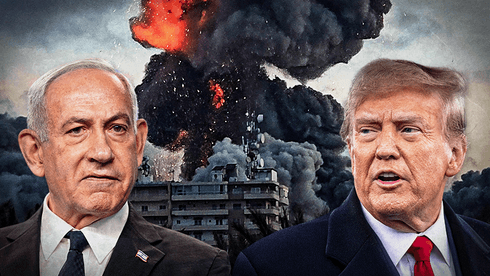
Trump Says U.S. And Iran Deal To End War Threatened By Israeli Strike On Beirut
11 sources compared

Israel Kills At Least Three in Beirut Dahiyeh Strikes as Trump Seeks Iran Peace Deal
23 sources compared
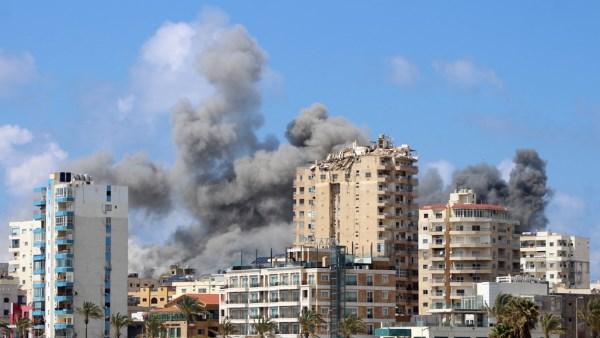
Israel Kills Three in Beirut’s Dahiyeh After Hezbollah Fires Toward Northern Israel
23 sources compared
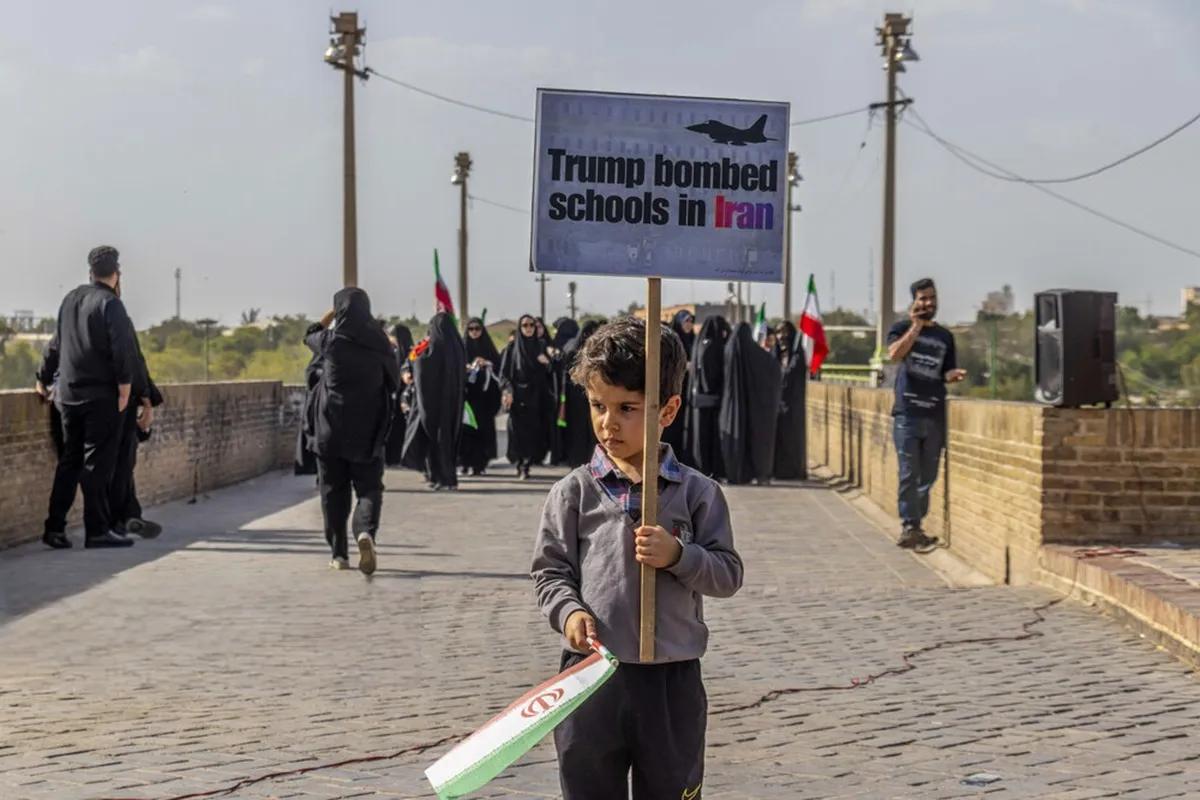
Israeli Military Kills Hezbollah Commander Ali Musa Daqduq In Southern Lebanon Strike
30 sources compared