Technology and Science04 June, 20262 min read
Scientists Make Sourdough Bread With Yeast From Ötzi the Iceman’s Mummified Body
This article is an automated aggregation of coverage from news outlets. Our editorials offer in-depth analysis curated by the NewsCord team.
Cold-loving yeasts recovered from Ötzi may remain viable after 5,300 years. Scientists baked sourdough bread using Ötzi's yeast.

Yeast revived in lab
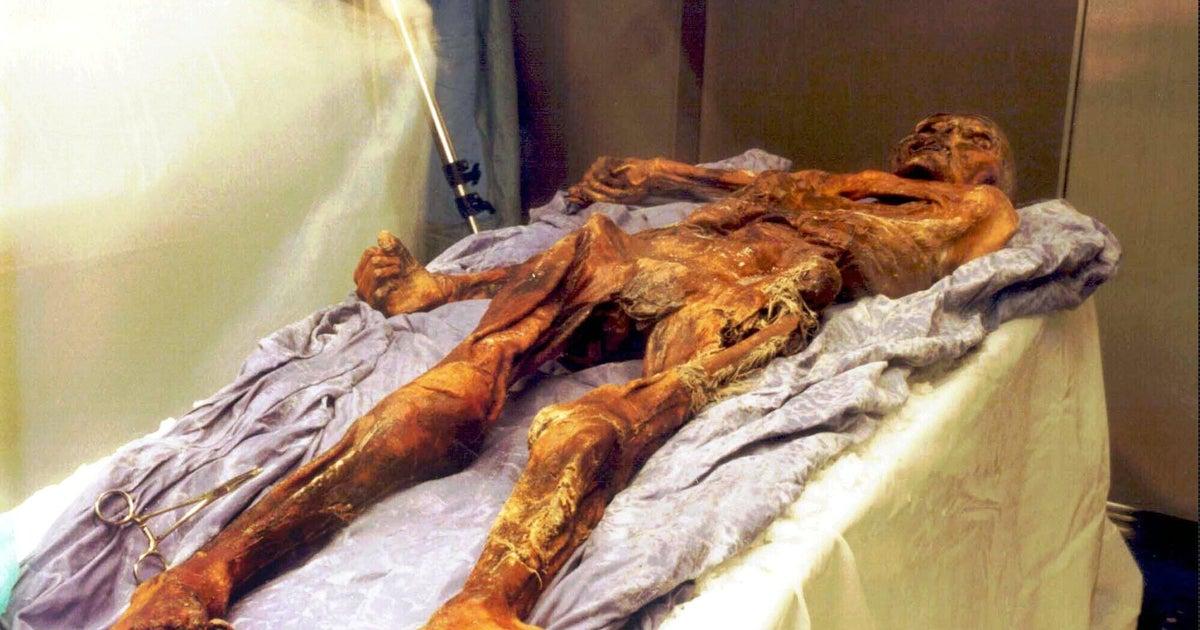
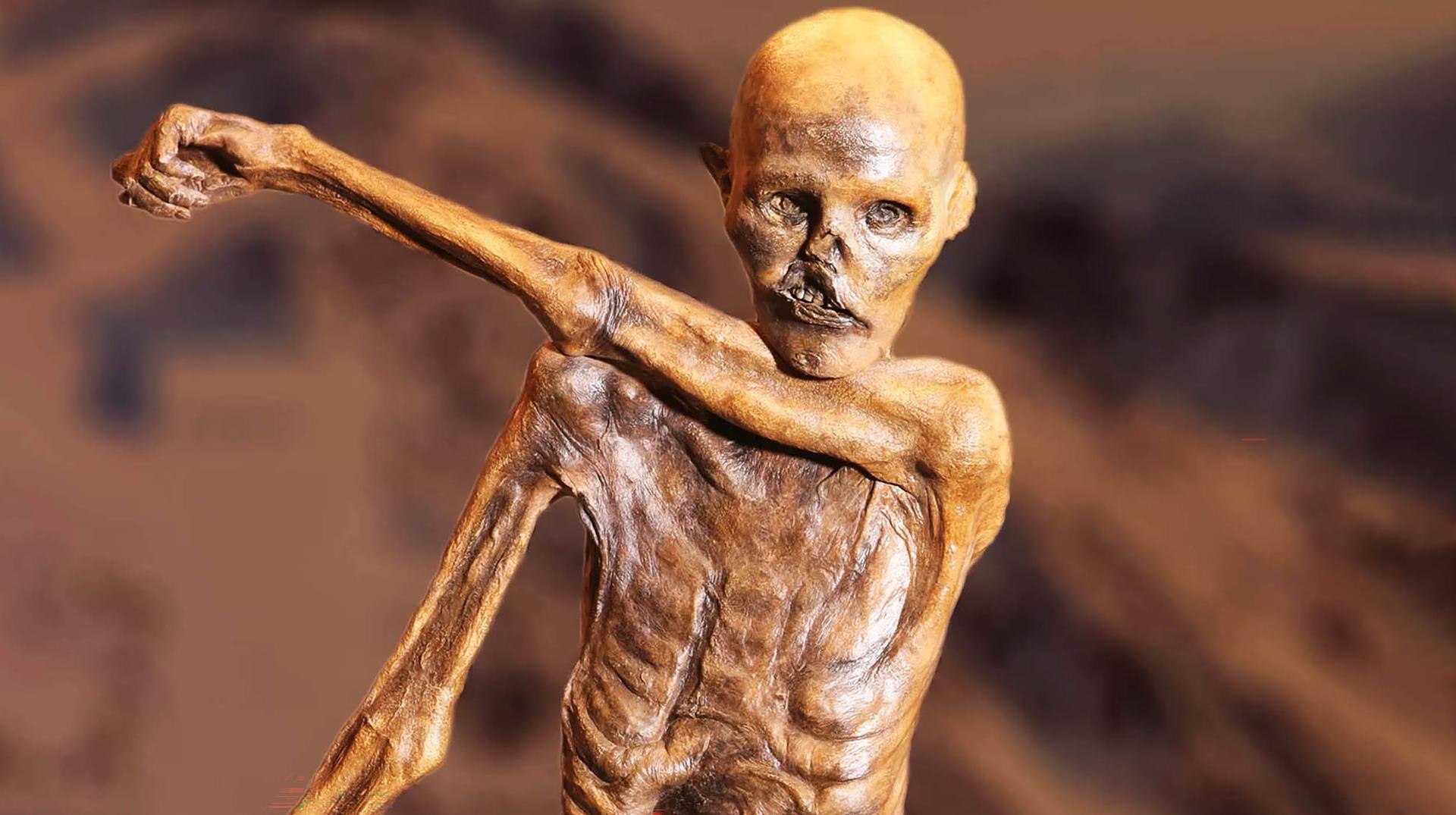
Scientists say they have made sourdough bread using yeast found on Ötzi the Iceman’s mummified body, after researchers reported that cold-adapted yeasts persisted under museum storage conditions. The work centers on Ötzi, discovered in 1991 in the Ötztal Alps, and stored at the South Tyrol Museum of Archaeology in Bolzano, Italy, in a special refrigerated chamber kept at 21 degrees Fahrenheit and 99 percent relative humidity. Researchers say they defrosted the remains in April 2019, kept Ötzi at 39 degrees Fahrenheit for five hours, and collected ice chunks from the surface and thawed water from inside and outside the remains.
They also swabbed the outside of the body and collected samples from exposed internal areas, then compared microorganisms across samples taken in 2010 and 2019. In the lab, the team cultured cold-adapted yeasts and reported that one strain, Glaciozyma, had proliferated to become the dominant strain, suggesting the yeasts remained metabolically active over the years.
Active or dormant?
The study’s claims about whether the yeasts are truly active drew skepticism, with paleogeneticist Damla Kaptan saying researchers would need to find RNA to show genes are switched on. Kaptan told NewScientist’s Chris Simms, "There is still the possibility that the yeast remained dormant or became active to some extent during thawing," as the debate focused on what DNA alone can prove. Other reporting highlighted evidence of ongoing change, including that researchers compared samples taken in 2010 and 2019 and saw Glaciozyma become dominant.
Frank Maixner, director of the Institute for Mummy Studies, said in a statement, "These yeasts have accompanied Ötzi on his long journey through the millennia," linking the findings to a longer continuity narrative. Meanwhile, Science News’ Tom Metcalfe quoted alpine archaeologist Patrick Hunt warning that any findings tied to "ongoing microbial contamination" are "vital to whatever interventions are needed."
What it means for preservation
Beyond bread-making, researchers said the microbial community they found includes both ancient and modern DNA, with some microbes likely colonizing Ötzi’s remains after he died and others introduced during conservation work. Smithsonian reported that spray water used to keep the mummy humid introduced a dominant signature of bacteria onto external surfaces, describing it as "a consequence of conservation practices that was previously unrecognized." The study also pointed to potential practical applications, with Sarhan saying scientists plan to continue studying the cold-loving yeast strains and experimenting to see whether they could be used for bread, beer, or other fermented products.
In a statement, Sarhan said, "We want to pursue this further and involve specialized research teams from the food sector in the process," as the team looks beyond archaeology. At the same time, Science News said the viable yeasts suggest Ötzi "is not a static relic but a dynamic biological interface," and Hunt argued that preserving the remains depends on understanding whether microbial activity could drive decomposition.