
Scott Bessent Defends U.S. Strikes on Iran: 'Escalate to De-escalate'
Key Takeaways
- Bessent defends U.S. strikes on Iran, says escalation may de-escalate.
- He backs Trump’s threats, including possible strikes on Iran’s power plants.
- Reporting frames his stance as endorsing escalation to de-escalate Iran policy.
Bessent's Strike Defense
US Treasury Secretary Scott Bessent has strongly defended the United States' military strikes against Iran.
“US May ‘Escalate to De-escalate’ Against Iran, Treasury Secretary Says Bessent defends temporary sanctions relief on Iranian oil amid soaring energy prices ERBIL (Kurdistan24) — The United States may need to escalate its military operations against Iran to wind down the ongoing conflict, Treasury Secretary Scott Bessent said Sunday, amid apparent contradictions in the policy direction outlined by President Donald Trump”
He employed the controversial 'escalate to de-escalate' strategy to justify the escalating tensions in the Middle East.
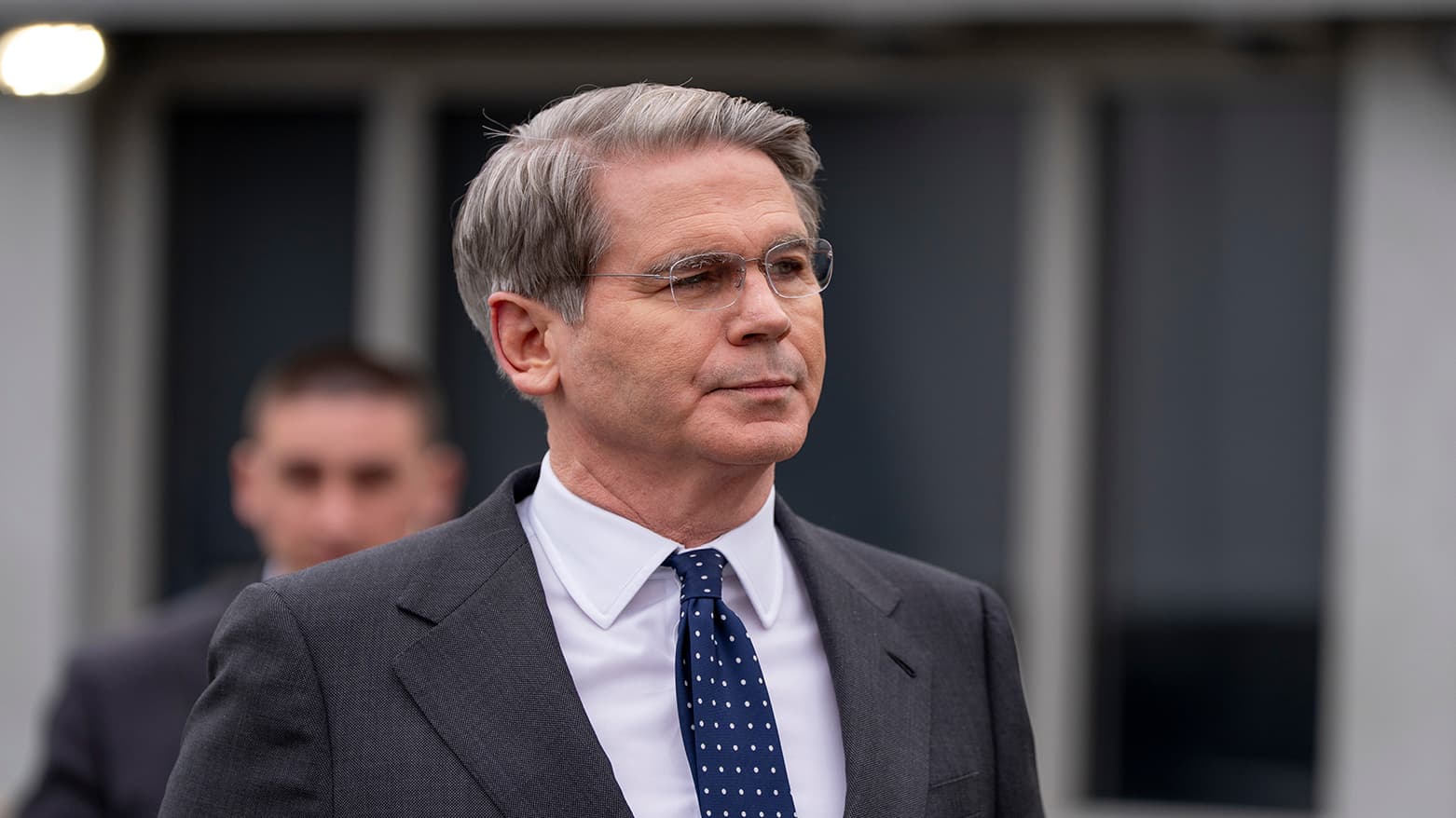
Speaking on Sunday, Bessent articulated the administration's position that military action is necessary to compel Iran to change its behavior.
He claimed that such escalation is the only approach Tehran understands.
This rationale was delivered amid heightened regional conflicts involving both US and Israeli operations.
These operations targeted Iranian infrastructure following another round of nuclear talks between Washington and Tehran.
Bessent's comments came as part of a coordinated messaging effort to establish a tough stance against what the administration views as Iranian aggression.
Trump's Ultimatum
President Trump has issued a direct ultimatum to Iranian leadership.
He gave them exactly 48 hours to reopen the Strait of Hormuz.
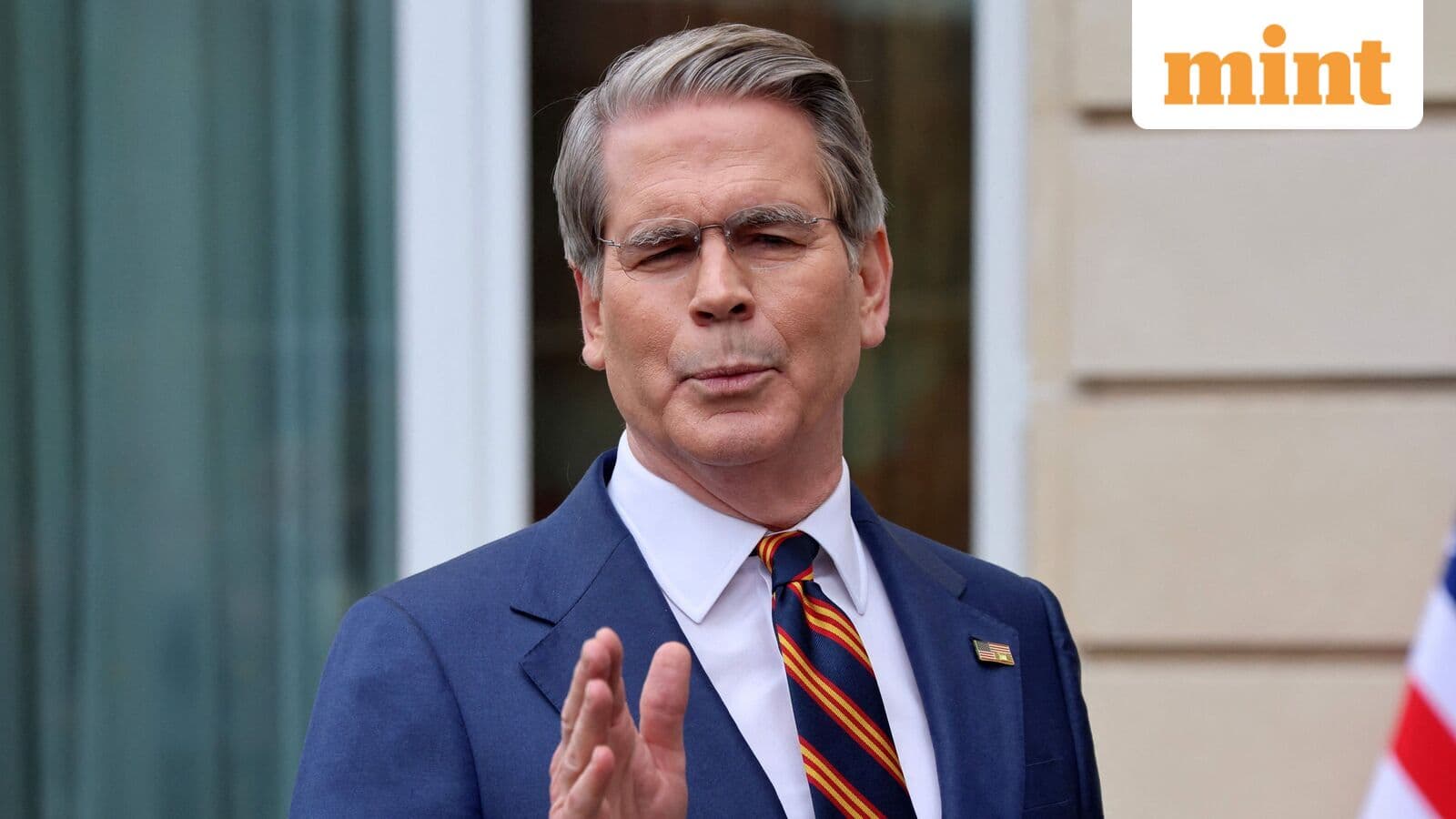
Failure would face devastating military strikes against the country's power infrastructure.
The warning was delivered through Trump's Truth Social platform.
It specifically threatened to obliterate Iran's power plants, starting with the largest one first.
This aggressive stance was immediately backed by Treasury Secretary Bessent.
Bessent emphasized that this type of messaging represents the only language Tehran comprehends.
The ultimatum follows the recent launches of Operation Epic Fury and Operation Rising Lion.
These operations targeted Iranian infrastructure after another round of nuclear negotiations concluded.
Iran's Retaliation Warning
Iran has responded to the US threats with clear warnings of retaliation.
“- Now Playing Scott Bessent defends U”
Any attacks on its fuel and energy infrastructure would trigger symmetrical responses against American and allied targets.
According to Colonel Ebrahim Zolfaqari, as cited by Iranian state news agency IRNA.
Iran's military command headquarters has declared reciprocal strike capabilities.
If Iran's fuel and energy infrastructure is attacked, then corresponding targets would also be struck.
These include fuel, energy, information technology systems, and desalination facilities.
The facilities used by the US and its regional allies would be targeted.
This creates a dangerous escalation scenario.
The conflict could expand beyond military targets to include critical civilian infrastructure.
Energy systems across the region could be affected.
Global energy markets and water supplies could be impacted.
Kharg Island Operations
The US military campaign has specifically targeted Kharg Island.
Kharg Island is a critical center for Iran's oil production.

Bessent confirmed that military assets on the island have been destroyed.
He described this as a 'very successful bombing campaign.'
Treasury Secretary Bessent has refused to rule out further military options.
He stated repeatedly that 'all options are on the table' regarding the strategically vital island.
When pressed about deploying US troops to secure Kharg Island, Bessent acknowledged uncertainty.
He said it remains to be seen whether the island could come under US control.
No options have been eliminated according to Bessent.
This stance was preceded by President Trump's declarations.
Trump said the military had already destroyed Kharg Island.
Bessent clarified he had no direct role in targeting energy infrastructure.
He noted rebuilding such facilities would take years.
US Strategic Goals
The Trump administration has articulated clear strategic objectives for its military actions against Iran.
“US Treasury Secretary Scott Bessent said on Sunday that President Donald Trump is keeping all options on the table and is ramping up its attacks on Iran, as “sometimes you have to escalate to de-escalate””
These goals were outlined by Treasury Secretary Bessent.
They include the systematic destruction of Iran's navy and air force capabilities.
They also include the elimination of Iran's missile systems.
They include preventing Iran's ability to replenish its weapons inventory.
Bessent emphasized that the US will ensure Iran can never develop a nuclear weapon.
This represents a continuation of the maximum pressure campaign against Iran's nuclear program.
This comprehensive military strategy is designed to fundamentally degrade Iran's military capabilities.
It also aims to degrade Iran's regional influence.
Bessent's comments suggest the administration views these objectives as achievable through continued military escalation.
This approach is favored over diplomatic engagement or sanctions.
More on Iran

President Trump delays strikes on Iran power plants for five days amid conflicting reports.
41 sources compared

Trump Extends Deadline to Reopen Strait of Hormuz, Delays Strikes on Iranian Power Plants.
27 sources compared
Trump Says Talks With Iran Ongoing; Iran Denies Negotiations.
15 sources compared

Iran Threatens to Close Strait of Hormuz, Hit Power Plants After Trump's Ultimatum
41 sources compared