Syria29 December, 20252 min read
SDF Postpones Commander Mazloum Abdi's Visit to Damascus, Cites 'Technical Reasons'
This article is an automated aggregation of coverage from news outlets. Our editorials offer in-depth analysis curated by the NewsCord team.
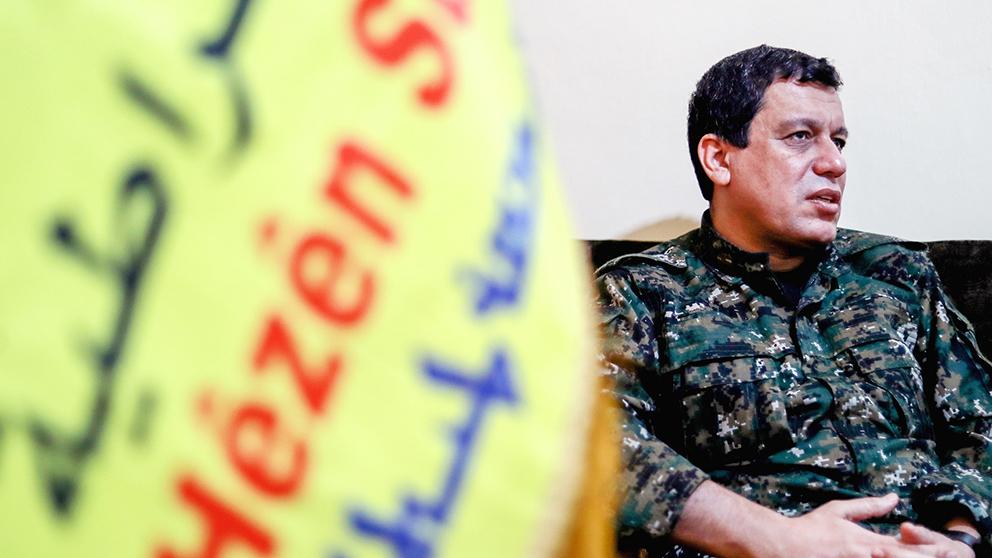
SDF postponed Mazloum Abdi’s scheduled visit to Damascus citing 'technical reasons'. Abdi was to visit Damascus with a negotiating delegation to discuss SDF integration with Syria.
6 outlets told this the same way.
Outlets did split on Asad Al-Shaibani Meets Saddam Haftar in Benghazi Over Syrian Consulate And Missing Syrians →
SDF visit delay update
The Syrian Democratic Forces (SDF) announced that a planned December 29 visit to Damascus by commander-in-chief Mazloum Abdi and the negotiating delegation for north and east Syria has been postponed for technical reasons, with a new date to be set later by mutual agreement. The SDF media office and regional outlets described the delay as purely logistical or technical and emphasized it does not represent a change in communications or in the negotiations themselves. The pause follows a March 10 agreement intended to integrate institutions linked to the Kurdish self-administration into national bodies, an accord whose implementation has stalled amid unresolved differences and sporadic clashes.
“The planned Monday visit of Mazloum Abdi...to Damascus has been postponed for 'technical reasons,' with a new date to be set by mutual agreement, the SDF said.”
SDF-Damascus talks update
SDF statements and sympathetic outlets underscore that the postponement is a logistical matter and does not reflect a breakdown in talks. The SDF media center said a new date will be arranged by mutual agreement and insisted communications remain intact.
Some reports quoted Abdi and SDF officials saying negotiations have made 'notable progress' and that there is a 'shared understanding' about integration. Other SDF-aligned reporting says contacts with Damascus have 'never stopped' and that recent months have shown 'tangible progress' compared with March.

Damascus' assessment of talks
Damascus and its officials present a markedly different assessment. A senior Syrian foreign ministry source, quoted in The New Region and Bianet, disputed SDF claims of progress and said there have been 'no tangible results, concrete steps or timelines.' State-aligned coverage and official statements note that despite the March 10 accord signed by Abdi and President Ahmed al-Sharaa (whose name is spelled slightly differently across reports), practical integration steps remain unresolved and state sources treat this as evidence the talks have not yet produced actionable outcomes.
“A Syrian foreign ministry official countered that talks have produced no 'tangible results,' with no concrete steps or timelines agreed.”
Aleppo clashes and skepticism
Violence on the ground and regional skepticism complicate the picture. Bianet reports renewed clashes in Aleppo between the SDF and Syrian forces that prompted both sides to order a ceasefire after an outbreak of violence. The SDF said the outbreak killed two and injured 20, while Syrian state media reported four dead.
The New Region links implementation delays to 'sporadic clashes'. Bianet cites Turkey’s foreign minister Hakan Fidan expressing skepticism about the SDF’s commitment to integration and accusing it of coordinating with Israel. Ankara ties that stance to concerns about its own Kurdish peace process, while the SDF denies organizational ties to the PKK.

Agreement outlook and coverage
Outlook remains uncertain. Sources sympathetic to or quoting SDF leadership convey optimism and insist that contacts with Damascus continue and that the agreement does not expire at year-end.
“A Syrian foreign ministry official countered that talks have produced no 'tangible results,' with no concrete steps or timelines agreed.”
Syrian government sources and some regional actors remain skeptical about concrete implementation steps and timelines. Reporting shows a clear disparity in tone and emphasis across outlets: SyriacPress foregrounds Abdi's optimism and the claim of ongoing talks and international support, Al-Jazeera and The New Region take a more neutral, contextual approach emphasizing stalled implementation, and Bianet highlights clashes, disputed casualty figures and regional skepticism from Ankara, underscoring that the path from agreement to tangible integration remains contested.