Syria09 January, 20262 min read
SDF Refuse To Withdraw From Aleppo After Syrian Government Declares Truce
This article is an automated aggregation of coverage from news outlets. Our editorials offer in-depth analysis curated by the NewsCord team.
Syrian Defense Ministry ordered SDF fighters to withdraw from Sheikh Maqsoud, Ashrafiyeh and Bani Zeid SDF and local Kurdish councils rejected the evacuation order and refused to leave their districts
25 outlets told this the same way.
Outlets did split on France Suspends Police Stun Grenades at High School Protests After 15-Year-Old Loses Hand →
Aleppo ceasefire and response
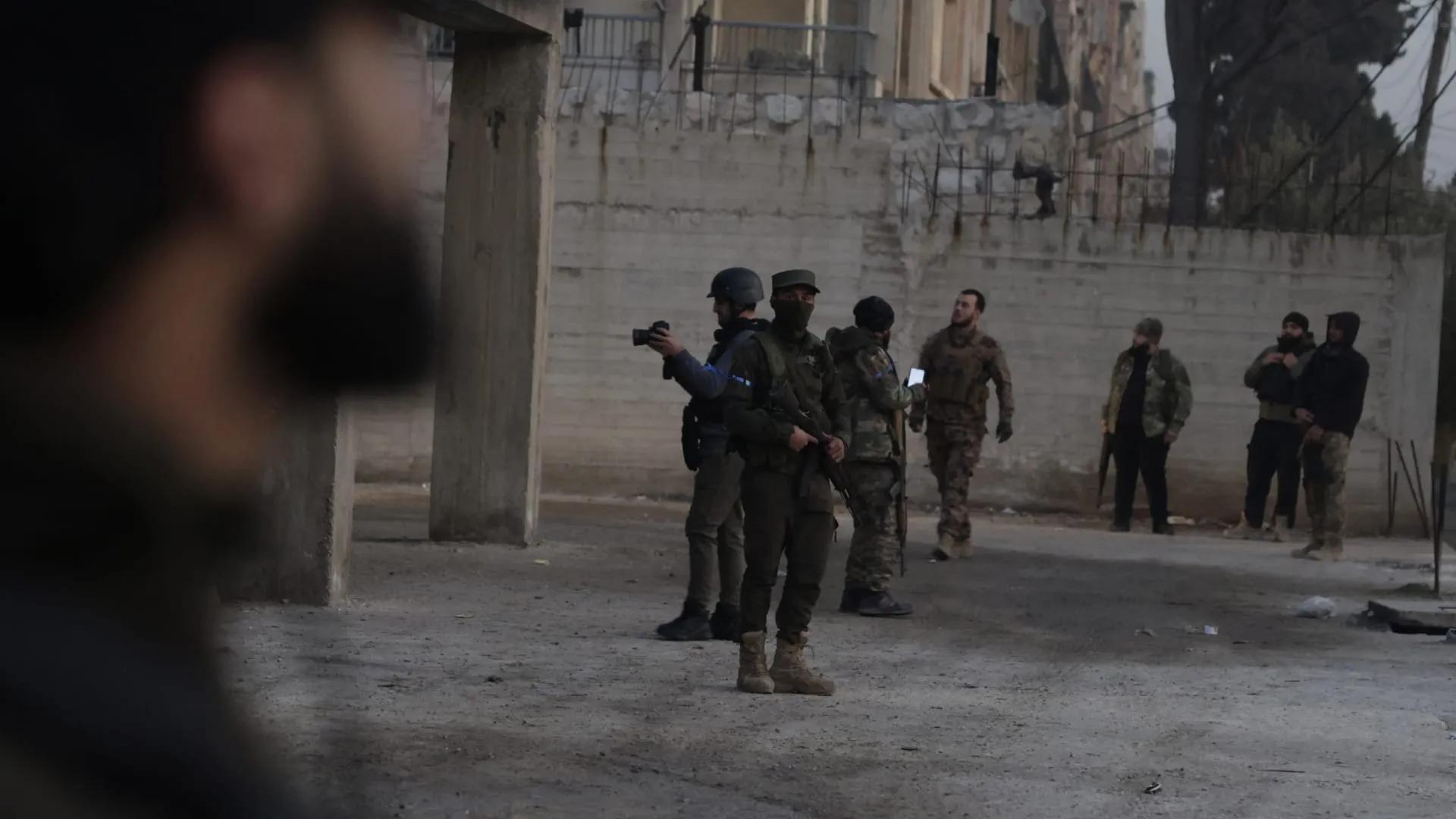
After days of heavy fighting in northern Aleppo, Syria’s defence ministry announced a ceasefire ordering Kurdish SDF fighters to withdraw from the Sheikh Maqsoud, Ashrafiyeh and Bani Zeid neighbourhoods. The ministry said Kurdish fighters would be moved, with light arms, to Kurdish areas further east. Local Kurdish councils and the SDF refused to comply, saying they would remain and defend their districts and had pushed back government attacks.
“Syria’s government announced a ceasefire after three days of intense clashes with Kurdish fighters in Aleppo that displaced more than 140,000 people. The pause, welcomed by a US envoy, took effect at 03:00 local time and requires Kurdish forces to withdraw from the contested neighbourhoods of Sheikh Maqsoud, Ashrafieh and Bani Zaid.”
The pause was reported as taking effect at 03:00 local time and included plans for safe passage. This account synthesises reporting that describes both the government’s formal order and the Kurdish refusal.

Displacement and reporting differences
The clashes triggered large-scale displacement of civilians. Several outlets reported roughly 140,000–142,000 people displaced or evacuated, while pro-government sources gave higher figures, with one report citing about 165,000. Other outlets described 'thousands' or 'tens of thousands' fleeing, underscoring both the rapid movement of civilians and reporting differences between state-linked, international and regional press.
Military operations and claims
Government forces reported targeted operations, published maps of target areas, and declared Sheikh Maqsoud a closed military zone with curfews and humanitarian corridors. Kurdish sources said they had struck back and accused pro-government units of heavy shelling of residential areas and hospitals.
“The Syrian Army declared a full curfew Friday evening for Aleppo’s Sheikh Maqsoud, naming the neighborhood a closed military zone. State media SANA said the curfew began at 18:30 local time (15:30 GMT) and will remain 'until further notice,' and reported that Sheikh Maqsoud remains under control of the Syrian Democratic Forces (SDF). The army opened a humanitarian corridor for civilians, urged SDF fighters to surrender, and identified parts of the neighborhood it said would be targeted as military positions.”
State and pro-government outlets described the army retaking Ashrafiyeh and Bani Zeid and preparing evacuations. Kurdish security (Asayish) and SDF statements described strikes, clashes, and measures they said were endangering civilians.
Regional diplomatic reactions
International actors reacted unevenly. The United States welcomed the ceasefire, urged its extension, and offered help to de‑escalate. Turkey publicly criticised the SDF and said it would assist Syria if asked.
Kurdish and regional actors warned of possible forced displacement and demographic change. European figures were reported visiting Damascus around the same period, underscoring divergent regional priorities. These reactions reflect diplomatic efforts to stabilise the situation but also contrasting strategic interests.

Media coverage differences
Coverage shows clear divergences in tone, emphasis and attribution. West Asian and state-linked outlets foreground Syrian government claims of restoring state control, name specific military targets, and cite alleged SDF violations. Western mainstream outlets emphasize the humanitarian toll and the diplomatic push for a truce and safe passage.
“The Syrian Army declared a full curfew Friday evening for Aleppo’s Sheikh Maqsoud, naming the neighborhood a closed military zone. ... The army opened a humanitarian corridor for civilians, urged SDF fighters to surrender, and identified parts of the neighborhood it said would be targeted as military positions.”
Kurdish-oriented and regional sources highlight SDF warnings about forced displacement, demographic change, and potential war crimes. Readers should note these differences reflect the sources' perspectives. Some claims, for example allegations of SDF abuses cited by the army, are reported as government accusations rather than independently verified facts.
