
SEC Says Most Crypto Assets Fall Outside Securities Laws, Atkins Confirms
Key Takeaways
- SEC outlines four broad digital-asset categories that fall outside securities laws.
- Most crypto assets fall outside securities laws, including staking, airdrops, and mining.
- NFTs generally do not meet the securities definition.
SEC Regulatory Framework
The SEC has implemented a comprehensive new regulatory framework that significantly clarifies when cryptocurrency assets fall under federal securities laws.
“After the US Securities and Exchange Commission (SEC) outlined four broad categories of digital assets that fall outside securities laws, Chair Paul Atkins offered further clarity on why nonfungible tokens (NFTs) generally do not meet that definition”
Chair Paul Atkins announced that most crypto assets actually fall outside these regulations.
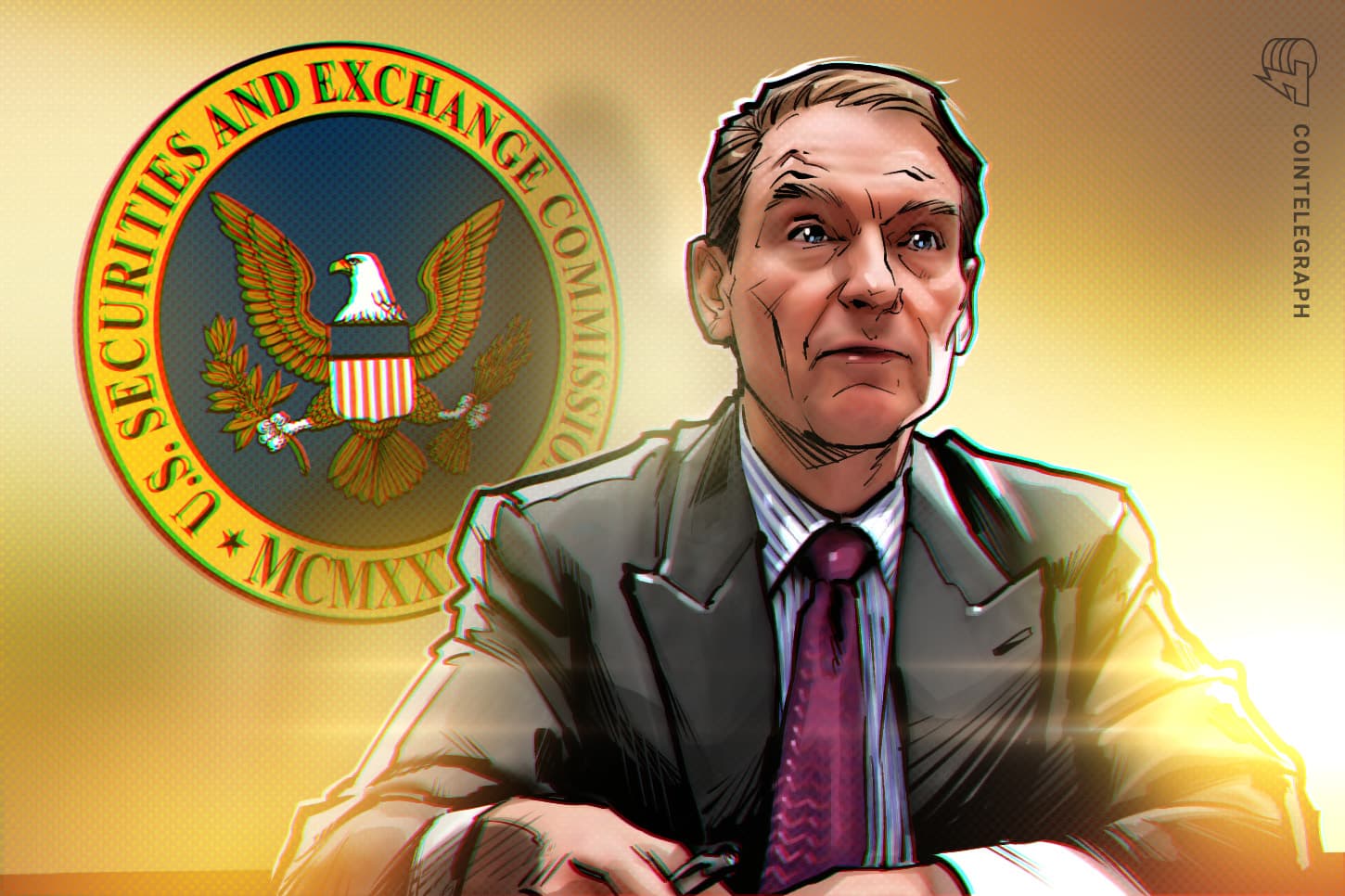
Atkins presented a token taxonomy and investment contract interpretation designed to end years of regulatory uncertainty in the cryptocurrency space.
Speaking at the DC Blockchain Summit on March 17, the framework includes categories that are not deemed securities under the GENIUS Act.
Digital commodities, digital collectibles, digital tools, and payment stablecoins are explicitly classified as non-securities.
This represents a major shift from the SEC's previous approach, which relied heavily on the Howey Test through enforcement actions.
The SEC's previous approach created persistent confusion about regulatory jurisdiction over crypto assets.
Asset Classification Categories
The SEC's new classification system divides digital assets into five distinct categories.
Only digital securities fall squarely within the agency's regulatory remit.
Digital securities are specifically defined as tokenized forms of traditional investments.
Digital commodities, such as Bitcoin and Ethereum, derive value from programmatic operations of crypto systems.
Digital collectibles encompass NFTs and meme coins linked to creative works and internet culture.
Digital tools function as membership cards, event tickets, or virtual identities.
Payment stablecoins receive explicit exclusion from securities classification under the GENIUS Act.
Regulation Crypto Assets Vision
Atkins previewed 'Regulation Crypto Assets,' a broader rulemaking vision for crypto issuers and developers.
“After the US Securities and Exchange Commission (SEC) outlined four broad categories of digital assets that fall outside securities laws, Chair Paul Atkins offered further clarity on why nonfungible tokens (NFTs) generally do not meet that definition”
This includes proposing a startup exemption allowing developers to raise up to $5 million over four years.
A fundraising exemption permits up to $75 million in a 12-month period with required disclosures.
Atkins proposed an investment contract safe harbor for regulatory certainty.
Project teams must clearly disclose representations and promises tied to managerial efforts.
Buyers must understand the rights they are purchasing based on these disclosures.
The SEC expects to release proposed rules for public comment in the coming weeks.
Market Implications
The SEC's clarified position has significant implications for market structure and investor protection.
Cryptocurrency exchanges face different requirements based on traded asset types.

Platforms listing tokenized securities must comply with securities exchange regulations.
Exchanges handling only digital commodities operate under different frameworks.
This creates operational considerations for trading platforms and compliance departments.
Clearer regulatory boundaries help investors distinguish between regulated securities and other assets.
The SEC maintains its investor protection mandate across all asset classifications.
Global Regulatory Context
This development represents years of regulatory evolution and could facilitate institutional participation.
The SEC's current position builds upon years of development and market observation.
The Commission gradually moved beyond enforcement actions toward more nuanced approaches.
Key court cases and market developments influenced the SEC's evolving stance.
The Howey Test remains central to determining asset qualification as investment contracts.
The SEC's position could influence global regulatory discussions about digital asset classification.
International coordination is increasingly important for blockchain projects operating across borders.
More on Crypto

Mastercard to acquire BVNK for up to $1.8B to accelerate stablecoin strategy.
24 sources compared

Boris Johnson Calls Bitcoin a Ponzi Scheme; Saylor, Eric Trump Defend Crypto
12 sources compared

Bybit Pay Joins Mastercard Crypto Credential Network, Lets Users Send Digital Assets Using Verified Aliases
10 sources compared
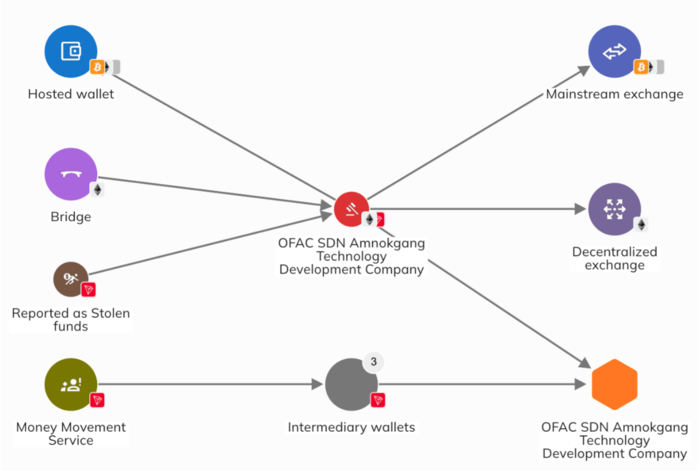
U.S. Treasury Freezes Crypto Network Feeding Nearly $800 Million To North Korea's Weapons Programs
10 sources compared