Full Analysis Summary
Southern Transitional Council setbacks
The Southern Transitional Council (STC), Yemen’s secessionist movement seeking independence for South Yemen, appears to have squandered momentum through operational overreach despite reported backing from the United Arab Emirates (UAE).
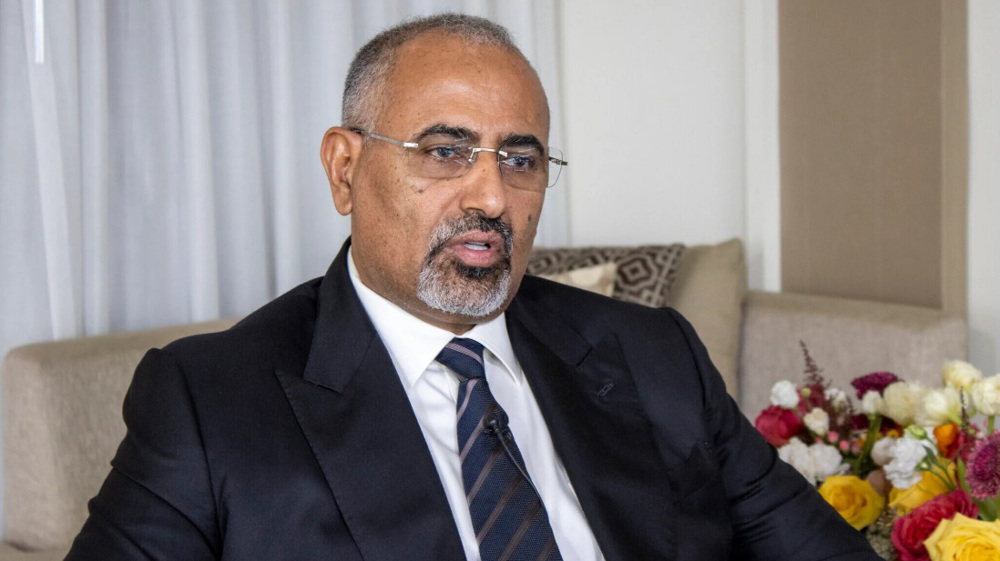
PressTV reports that STC leader Aidrous al‑Zubaidi fled Aden and was transported via Somaliland to Abu Dhabi after missing peace talks in Riyadh, a move the Saudi‑led coalition publicly described and which Saudi authorities framed as an apparent UAE extraction.
Al Jazeera’s closing lines underline a deeper question about the STC’s future, asking whether recent events mark a terminal setback or a temporary pause before renewed southern secession efforts.
This sequence of reported flight, international involvement, and public doubt suggests the secessionist project has been weakened by tactical miscalculations and foreign entanglements.
Coverage Differences
Narrative emphasis
PressTV (West Asian) reports concrete operational details and frames the story around an alleged extraction—detailing Zubaidi’s route, the Il‑76 flight, and Saudi accusations against the UAE—while Al Jazeera (West Asian) frames coverage as a question of the STC’s viability and long‑term future, emphasizing uncertainty rather than specific allegations. PressTV reports claims by the Saudi‑led coalition and names alleged actions; Al Jazeera’s snippet raises doubt about whether the STC can ‘truly regain control’ or is simply in a temporary setback. These reflect different focal points rather than direct contradiction: one pursues immediate facts and accusations, the other highlights strategic consequences and open questions.
STC extraction allegations
PressTV’s account offers detailed allegations portraying the STC’s machinery and leadership as compromised by hasty moves and external shielding.
It reports that Zubaidi left Aden by boat for Berbera, contacted a named officer, and was flown on an Il-76 whose identification systems were reportedly switched off, an action the Saudi-led coalition and Saudi authorities characterized as an illicit extraction by the UAE.
The outlet also notes that the STC and the UAE had no immediate comment, and that Saudi authorities named an Emirati general they said was involved.
Those accusations, if accurate, point to clandestine transport and foreign involvement that undercut the STC’s domestic credibility and deepen regional tensions.
By contrast, Al Jazeera’s available text focuses on the movement’s uncertain strategic future rather than enumerating operational allegations.
Coverage Differences
Detail vs. strategic framing
PressTV (West Asian) supplies operational specifics and attributes allegations directly to the Saudi‑led coalition and Saudi authorities—quoting flight details, named officers, and a claim that identification systems were turned off—whereas Al Jazeera (West Asian) offers a high‑level strategic frame, asking whether this is a final blow or temporary setback for secession, without repeating those operational allegations. This shows PressTV foregrounds immediate, accusatory detail while Al Jazeera foregrounds long‑term implications.
STC military and political setbacks
The Saudi-led coalition’s response, as reported by PressTV, was immediate and militarised: it said it launched strikes in al-Dhale against a site described as an arms depot linked to Zubaidi, while Saudi-backed forces this week recaptured southeastern provinces from STC fighters.
PressTV frames these actions as tangible consequences of the STC’s moves and of the broader Saudi-UAE friction, while Al Jazeera situates the episode within ongoing doubts about the STC’s ability to reassert southern secession.
The aggregate picture is of a secessionist movement squeezed by military setbacks, external accusations, and an eroding political narrative of success.
Coverage Differences
Tone and severity
PressTV (West Asian) adopts a more reporting tone that enumerates military actions and specific territorial changes—such as strikes in al‑Dhale and recapture of Hadhramaut and Mahra—while Al Jazeera (West Asian) uses a reflective, strategic tone questioning the STC’s long‑term prospects. The difference is in immediacy: PressTV highlights active conflict and named operations; Al Jazeera emphasises broader uncertainty about the movement’s future rather than relaying strike details.
UAE backing and secession
The episode shows how UAE backing, whether direct or tacit, can entangle secessionist actors in regional rivalry and undermine their local legitimacy.
PressTV reports that Saudi authorities explicitly accused the UAE of smuggling Zubaidi out and named Emirati personnel, and those claims alongside subsequent coalition strikes illustrate how outside patronage can turn local bids for independence into flashpoints in wider Saudi–UAE competition.
Al Jazeera’s framing, which questions whether the STC can 'truly regain control,' signals the reputational and strategic costs the movement may now face among southern constituencies and international interlocutors.
Coverage Differences
Attribution and geopolitical framing
PressTV (West Asian) relays accusations from Saudi sources that directly attribute responsibility to the UAE—reporting that Saudi authorities 'accused the UAE of smuggling him out and named an Emirati general involved'—thereby foregrounding interstate rivalry. Al Jazeera (West Asian) instead emphasises the STC’s internal question of viability, implicitly framing international involvement as a factor in the movement’s faltering without repeating the detailed accusations. The two sources therefore differ in attribution focus: one relays Saudi accusations about the UAE, the other highlights the strategic uncertainty for the STC itself.
STC situation and coverage
Available reporting portrays the STC as having overreached, shown by leadership flight, alleged clandestine extrication, and military reverses.
These developments raise serious doubts about the viability of a straightforward South Yemen independence project under current conditions.
Coverage differs in emphasis: PressTV focuses on operational allegations and attribution to the UAE, while Al Jazeera emphasizes broader strategic uncertainty.
The record here is limited to the provided snippets.
Al Jazeera requested more material for a fuller summary, and PressTV's account is driven by coalition statements and accusations.
The situation remains contingent, and further independent reporting is required to confirm the allegations and fully assess the STC's long-term prospects.
Coverage Differences
Completeness and sourcing
Al Jazeera (West Asian) signals that fuller reporting is needed—its snippet asks for the full article—indicating incompleteness in the available material, while PressTV (West Asian) presents a detailed narrative reliant on coalition statements. The two therefore differ in apparent completeness and in reliance on named official claims versus strategic questioning.