Britain10 November, 20252 min read
Second Migrant Defies UK Deportation and Returns by Small Boat After France Expulsion
Second migrant deported to France under 'one in, one out' scheme returned by small boat Migrant was detected by biometrics and detained immediately upon UK re-entry
12 outlets told this the same way.
Outlets did split on UK Police Charge Teddy Young With Spying For Foreign Power, Royal Navy Member →
Migrant Returns and UK-France Deal
A second migrant previously removed from the UK to France under the UK–France “one in, one out” scheme has re-entered Britain by crossing the Channel in a small boat. The individual was identified through biometrics, detained, and is set to be sent back to France promptly. Officials stress that attempts to return after removal are “futile” and “costly,” echoing the message after an earlier case in October when an Iranian man came back shortly after deportation and was again removed.
“A second migrant who had been removed from the UK to France under the UK-France ‘one in, one out’ treaty has returned to the UK after crossing the Channel in a small boat.”
The Home Office says the individual was matched via biometric data to recent removals under the treaty. The government maintains a strict stance that anyone attempting to return will be sent back. Coverage from West Asia highlights questions about the deal’s effectiveness even as Downing Street defends it as working as intended.
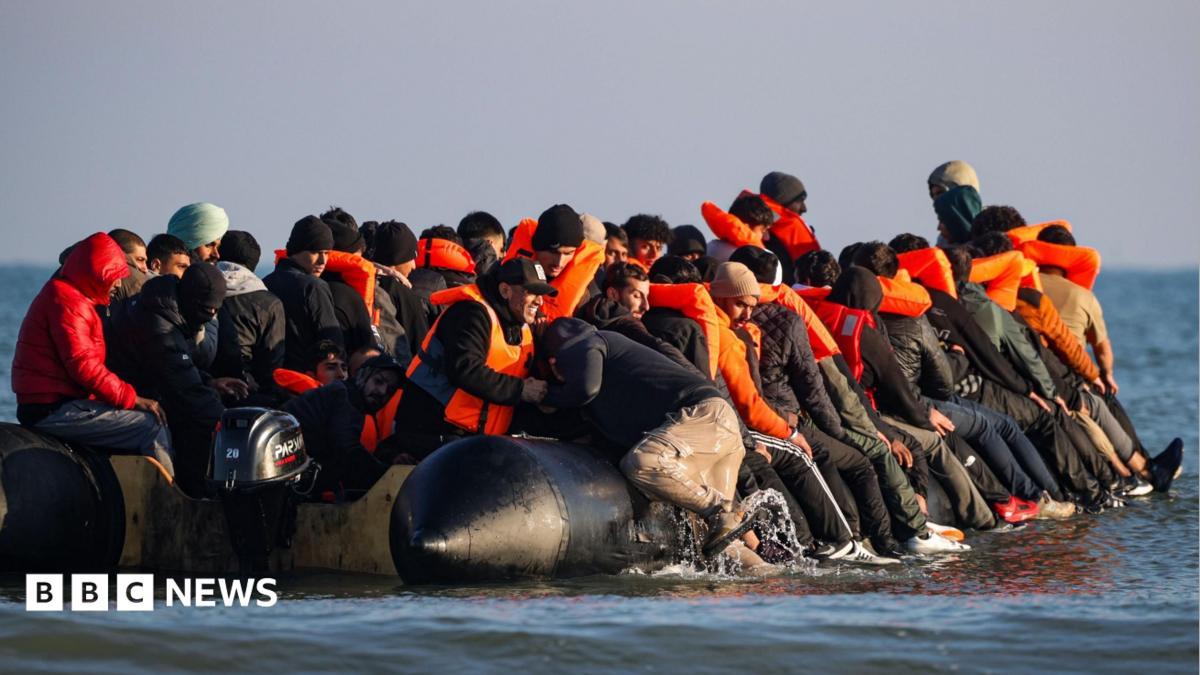
Returnee Identification and Removal
Authorities say they identified the returnee via biometric checks, described as photo and fingerprint matching, before detaining him for expedited re-removal to France. Government messaging frames these repeat entries as both futile and costly, emphasizing rapid detection and turnaround.
Downing Street’s defense is that quick identification and detention demonstrate the system’s effectiveness. The Home Office and local reports stress the operational ability to spot and remove repeat arrivals under the treaty.

UK-France Migrant Return Scheme
The returns occur against a backdrop of rising Channel crossings and a relatively new bilateral scheme. The deal—agreed in September by UK Prime Minister Keir Starmer and French President Emmanuel Macron—lets the UK return adult migrants with inadmissible claims while taking migrants from France with verified UK connections. Officials say 94 have been removed to France and 57 have come via official routes under the scheme.
“Since the treaty's implementation, 94 migrants have been deported to France, and 57 have arrived in the UK through official processes.”
Meanwhile, crossings have surged, with 1,772 arrivals in three days and 349 in five boats on a recent Sunday, pushing the 2025 total to about 39,075—already surpassing 2023 and 2024 combined tallies, according to local reporting. UK-French cooperation is also credited with preventing over 20,000 illegal crossings this year.
Debate Over Small Boats Policy
Reactions diverge sharply regarding the small boats policy. Government sources insist the system is working by detecting, detaining, and returning repeat entrants. Critics argue that recent cases expose flaws in the system.
Conservative leader Kemi Badenoch described the small boats plan as being in "total chaos." Others suggest that messaging which labels returns as "futile" hides broader pressures, as crossings remain high.

The Independent also references a prior Iranian case that re-entered on 18 October and was removed again. This case reinforces the pattern that is fueling the current debate.
Debate on Migrant Deterrence
The policy debate now centers on deterrence versus outcomes. Proponents point to rapid identification, detention, and re-removal—and say cooperation with France has prevented thousands of illegal crossings. Skeptics note that repeat returns still occur and overall flows remain high.
“The Home Office reports that 94 migrants have been returned to France and 57 have arrived in the UK under the scheme, and claims cooperation with France has prevented over 20,000 illegal crossings this year.”
The treaty’s reciprocal terms mean France sends some migrants with verified UK links while the UK returns inadmissible arrivals. However, the persistence of crossings fuels questions—from West Asian and local outlets alike—about whether the approach can reduce demand for dangerous journeys across the Channel.
