USA12 January, 20263 min read
Sen. Mark Kelly Sues Pentagon and Pete Hegseth, Charges Them With Orchestrating Political Retaliation to Silence His Speech
This article is an automated aggregation of coverage from news outlets. Our editorials offer in-depth analysis curated by the NewsCord team.
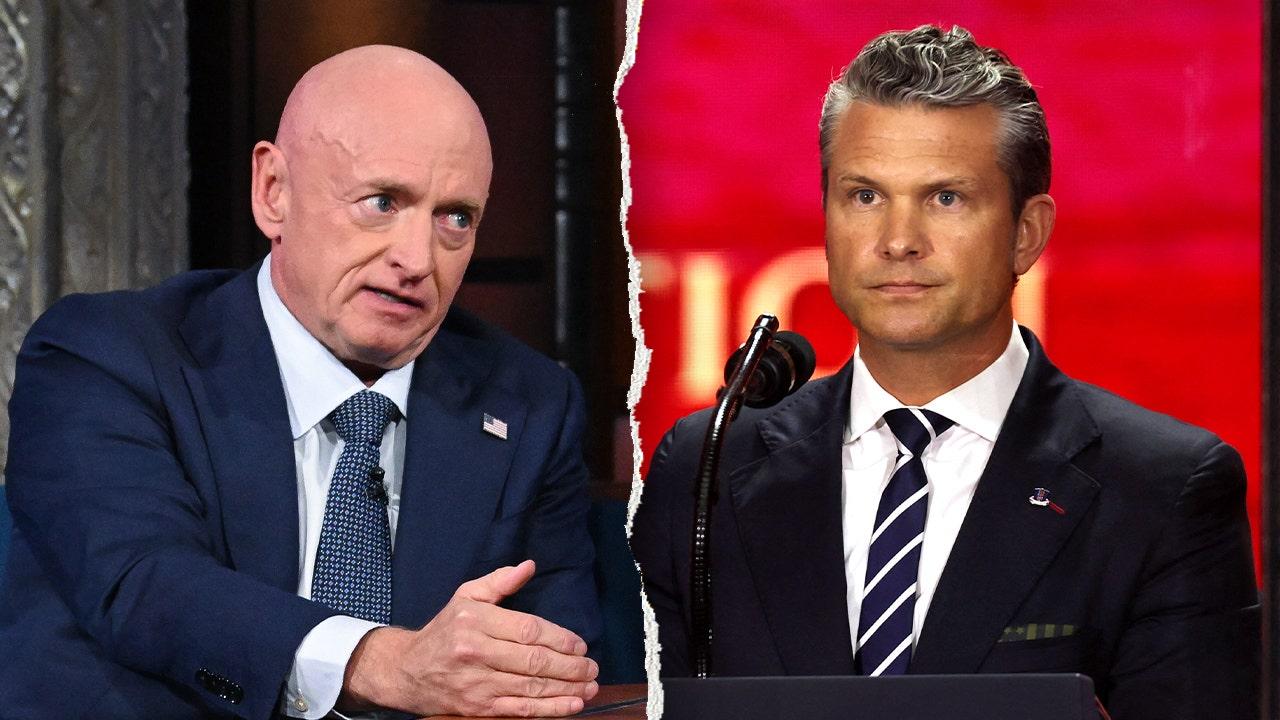
Sen. Mark Kelly sued the Defense Department and Defense Secretary Pete Hegseth. Lawsuit seeks to block Hegseth's censure, retired-rank reduction, and pension cuts.

18 outlets told this the same way.
Outlets did split on Trump Interrupted by Protesters at San Antonio Rally for Ken Paxton →
Kelly's lawsuit against Pentagon
Sen. Mark Kelly filed a 46-page federal lawsuit in Washington, D.C., on Jan. 12, 2026, naming the Department of Defense, Defense Secretary Pete Hegseth, the Department of the Navy and Navy Secretary John Phelan, alleging a campaign of 'punitive retribution' intended to silence his political speech and to violate his constitutional rights and Congress's independence.
“Sen. Mark Kelly has sued the Department of Defense, Defense Secretary Pete Hegseth, the Department of the Navy and Navy Secretary John Phelan in federal court in Washington, D.C., alleging a campaign of ‘punitive retribution’ intended to silence political speech and to violate his constitutional rights and Congress’s independence.”
The complaint challenges a formal Letter of Censure Hegseth issued and seeks to block any proceedings that could downgrade Kelly's retired Navy rank or cut his retirement pay, calling the moves unlawful under the First Amendment and the Speech or Debate Clause.
Kelly's lawyers say the actions followed a November video in which he and five other lawmakers urged service members to refuse unlawful orders, and that the Pentagon's response, including a misconduct review that progressed to formal retirement-grade proceedings, is unprecedented executive punishment of a sitting member of Congress.
Lawsuit and Pentagon actions
The lawsuit traces back to a 90‑second November video in which Kelly and five other lawmakers with military or intelligence backgrounds urged service members to uphold the Constitution and refuse unlawful orders, and outlets say the video prompted swift criticism and a Pentagon probe. Several reports emphasize the operational context, noting that Pentagon strikes on suspected drug‑smuggling boats near Venezuela occurred as the video was released, with KSWO reporting those strikes have killed at least 115 people. The Department opened a misconduct review in November, escalated it to a command investigation in December, and Hegseth has placed a censure in Kelly’s permanent file and initiated retirement‑grade proceedings, according to multiple accounts.
Legal challenge to Pentagon actions
Kelly’s complaint frames the Pentagon’s steps as unlawful retaliation that would chill veterans’ speech and imperil congressional independence. It invokes the First Amendment and the Constitution’s Speech or Debate Clause and asks a judge to bar any censure, retirement-grade proceedings or other sanctions. Multiple mainstream outlets report these legal claims in similar terms.
“The complaint says Hegseth’s actions violate Kelly’s First Amendment rights and the Constitution’s Speech and Debate Clause and asks a court to declare the moves unlawful.”
They note the suit contends the proposed demotion and pay cut would be an unprecedented executive punishment of a sitting lawmaker and would deny due process. Alternative and advocacy-oriented outlets add sharper constitutional and political criticism.
Democracy Docket calls the moves 'punitive retaliation' and part of a broader effort to politicize the military. The Plunge Daily uses similarly direct language about silencing speech.
Pentagon actions on retirees
Reporters note several concrete steps the Pentagon took and the narrow legal pathway by which it can act against retired personnel.
Hegseth issued a Secretarial Letter of Censure and sought retirement-grade determination proceedings that could strip Kelly’s retired rank and reduce his pension.
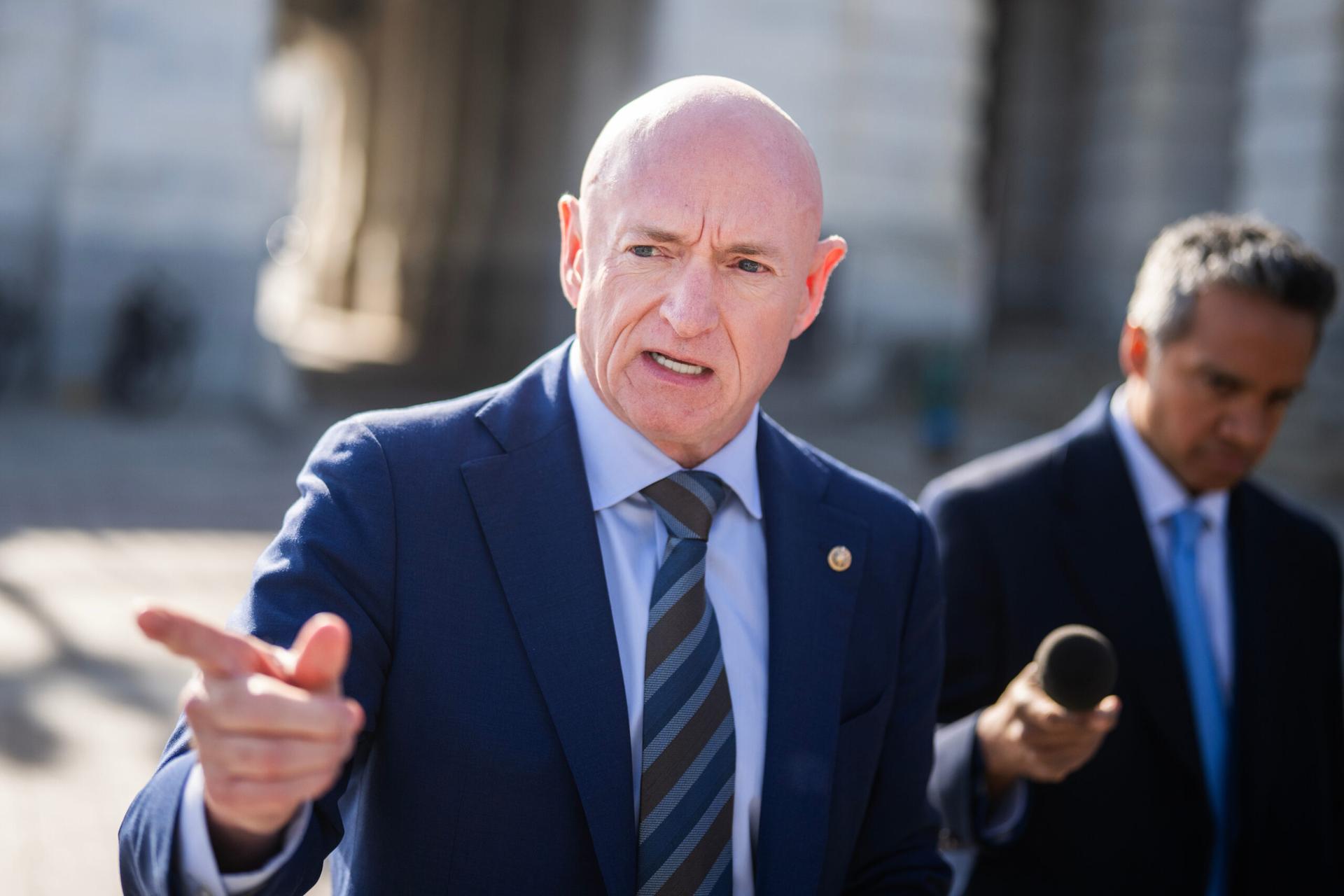
The Pentagon opened a misconduct review in November and escalated it to a command investigation.
Under federal law, retirees can be recalled for possible court-martial.
Some local and regional outlets add case details such as the lawsuit’s assignment to U.S. District Judge Rudolph Contreras, while many outlets say the Pentagon declined further comment because of ongoing litigation.
Media coverage overview
Mainstream U.S. outlets (NBC, CBS, PBS, The Independent) present the dispute largely as a high‑stakes legal and constitutional clash with uncertain outcomes. These outlets also note the administration’s harsh rhetoric, including reports that Hegseth and President Trump called the lawmakers’ remarks "seditious" or "treasonous". Advocacy and alternative outlets (Democracy Docket, The Plunge Daily) frame the lawsuit as part of a wider campaign to suppress veterans’ speech and to politicize the military.
“Hegseth and President Trump called the remarks ‘seditious’ or ‘treasonous,’ and Hegseth last week recommended reducing Kelly’s retirement rank and pay for allegedly counseling troops to disobey lawful orders.”
Tabloid and regional outlets (Daily Express US, WHEC, KSWO) emphasize the personal risk to Kelly’s pension and rank and add human‑interest details. Overall, sources agree the case raises constitutional questions but differ in emphasis and tone.