
Sen. Mullin Faces Senate Scrutiny Over Classified Overseas Trip
Key Takeaways
- FBI reports questioned Mullin's overseas classified travel.
- Senate hearing confronted questions about his classified overseas travel.
- DHS nominee facing criticism during confirmation.
Hearing Controversy Erupts
Sen. Markwayne Mullin faced intense scrutiny during his Senate confirmation hearing to become Secretary of the Department of Homeland Security regarding classified overseas travel that he had previously not disclosed.
“We put people in, we empower them to make decisions”
The controversy erupted when Michigan Sen. Gary Peters confronted Mullin with questions about his alleged combat experience and overseas trips, creating a tense moment that drew sharp reactions during the proceedings.
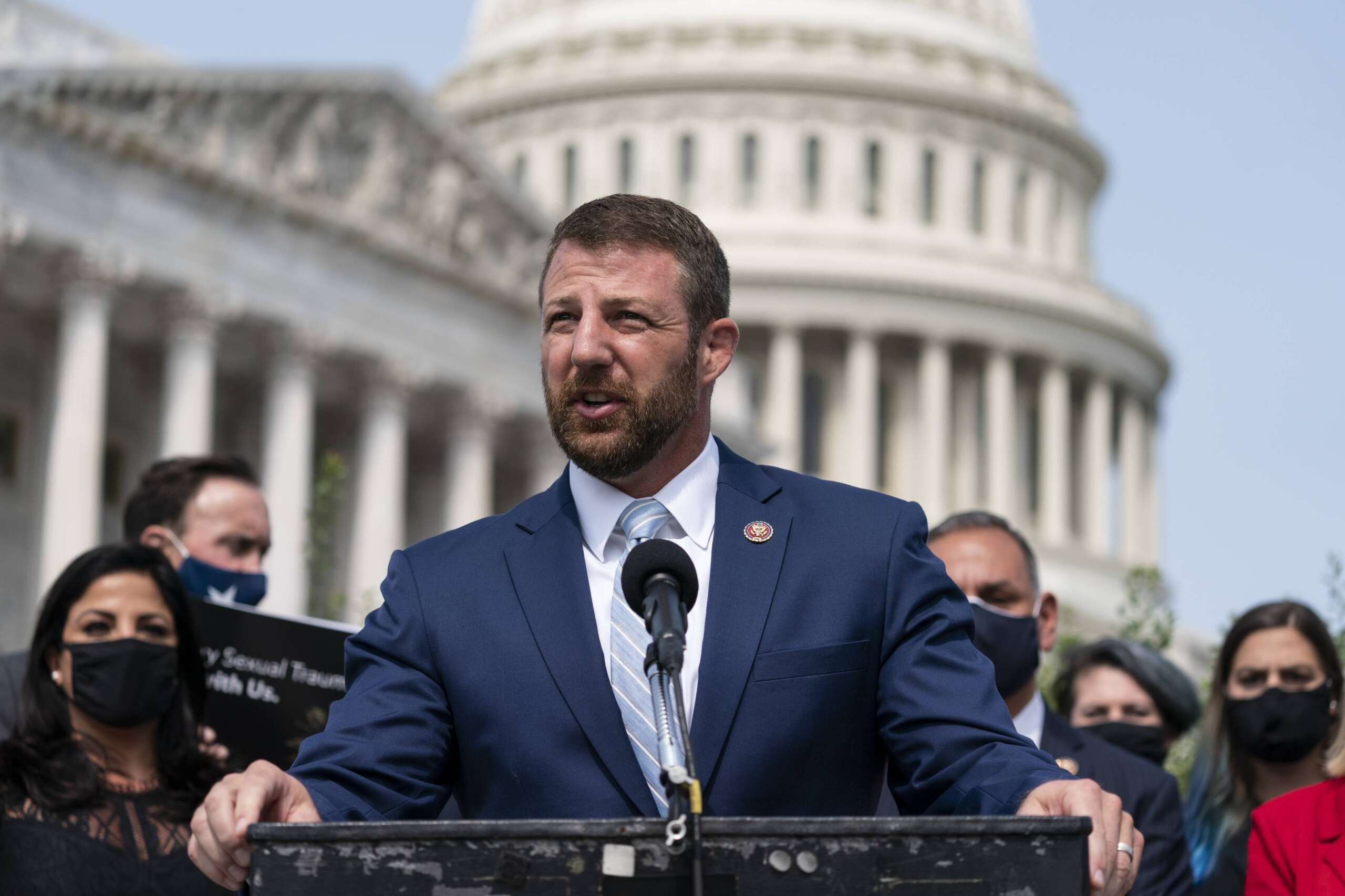
The Economic Times reported that Peters specifically asked if Mullin carried out 'secret assignments for the Department of War,' with the exchange reportedly tied to FBI reports.
Mullin, who previously served in the House of Representatives from 2013-2015, had made public statements about experiencing war firsthand, including remarks about the 'smell of war' that prompted Peters to question whether he had actually served in combat despite never enlisting.
The New Republic detailed how Mullin initially claimed he had never traveled to a foreign country 'outside of vacation, or mission work,' only to be contradicted by his own FBI report which showed trips to Georgia and Azerbaijan that were not for tourism purposes.
Classified Trip Details
The classified trip at the center of the controversy occurred in 2016, with planning taking place in 2015 while Mullin was still serving in the House of Representatives, according to his testimony during the March 18 confirmation hearing.
Mullin described the journey as 'official' but provided few details about its nature or purpose, leaving unclear whether it was part of a covert congressional delegation or if he was attached to a team from another part of the U.S. government.

The Oklahoman reported that Mullin underwent specific training requirements for the mission, including Survival, Evasion, Resistance and Escape (SERE) training which he described as 'absolutely awful' - typical preparations for visiting austere environments or locations where capture or kidnapping could be a risk.
Mullin emphasized that he had spoken about his experiences 'in general' but had 'never spoken specifically on details, on dates, or on the mission,' suggesting the highly sensitive nature of the classified operation.
The New Republic noted that Mullin claimed a letter from Peters requesting information about his travel had specifically stated he did not have to claim any official trips he'd taken as a member of Congress, though Peters disputed this characterization during the heated exchange.
Hearing Exchange Heats Up
The most dramatic moment of the confirmation hearing came when Peters directly challenged Mullin's credibility regarding his overseas travel and military-related claims.
“Mullin faces sharp criticism as DHS nominee – and tests softer immigration tone Loading”
The New Republic detailed how Peters confronted Mullin with information from his FBI background check, which showed trips to Georgia and Azerbaijan that were clearly not for tourism purposes, contradicting Mullin's earlier assertion that he had never traveled abroad outside of vacations.
Peters specifically asked, 'Your FBI report does show some travel,' before pressing Mullin on whether he had been involved in any classified operations, to which Mullin responded that there was 'none' in his FBI report.
The Economic Times reported that the exchange became particularly heated when Peters asked if Mullin had carried out 'secret assignments for the Department of War,' creating a tense moment that 'sparked sharp reactions during the hearing.'
Mullin attempted to explain the confusion by describing his 2015-2016 classified trip, but Peters remained skeptical, noting that Mullin had previously made 'confusing' public statements suggesting combat experience despite never having served in the military.
The New Republic observed that Mullin seemed to 'trip over himself' while trying to explain his alleged combat experience during the hearing, indicating the difficulty he faced in reconciling his previous statements with the facts of his actual travel history.
Resolution Attempts
In an attempt to resolve the controversy, Mullin agreed to brief members of the Senate Homeland Security and Governmental Affairs Committee behind closed doors in a Sensitive Compartmented Information Facility (SCIF), a secure room protected from physical and electronic surveillance.
The Oklahoman reported that Mullin and senators walked into the closed-door meeting after the confirmation hearing concluded, with the committee scheduled to return for a vote on March 19.

If approved by the committee, Mullin's nomination would then proceed to a full Senate vote.
Mullin maintained that his overseas travel was legitimate and official, explaining that in August 2021 he had traveled to Georgia and Azerbaijan specifically 'to go get the Americans out of Afghanistan' during U.S. troop withdrawal.
The New Republic noted that this mission was ultimately 'a complete failure' as Mullin was reportedly denied access when he attempted to enter Afghanistan by way of Greece and Tajikistan, despite claiming he was asked to accompany 'Delta [Force] guys' despite his lack of military training.
Mullin's explanation of the 2015-2016 classified trip suggested it was part of a legitimate government operation, though his reluctance to provide specific details raised questions about the transparency of his confirmation process and whether he had been fully forthcoming about all aspects of his overseas activities.
Military Statement Context
The controversy surrounding Mullin's overseas travel was amplified by his previous public statements about military and war-related experiences that seemed to suggest firsthand combat knowledge.
“Senator Markwayne Mullin tripped over himself Wednesday while explaining his alleged combat experience during his Senate committee confirmation hearing to become the new secretary of the Department of Homeland Security”
The Oklahoman reported that Mullin had previously spoken about the experience of 'seeing and smelling war,' remarking in a Fox News appearance that 'War is ugly. It smells bad. If anybody has ever been there and been able to smell the war that's happening around you and taste it and feel it in your nostrils and hear it, it's something you will never forget.'
These vivid descriptions prompted Peters to question whether Mullin had actually served in combat, particularly given that Mullin had never enlisted in the military.
The New Republic highlighted the 'confusing' nature of Mullin's public statements, suggesting they created an impression of combat experience that did not align with his actual military background or the details of his overseas trips.
Mullin's explanation that he had undergone SERE training for his classified trip provided some context for his ability to describe war conditions, but his apparent willingness to frame his experiences in combat-like terms raised questions about whether he had been intentionally misleading the public or simply embellishing his limited experiences.
The controversy highlighted the challenges faced by nominees with unconventional backgrounds who may struggle to reconcile their personal narratives with the factual details of their experiences.
More on USA
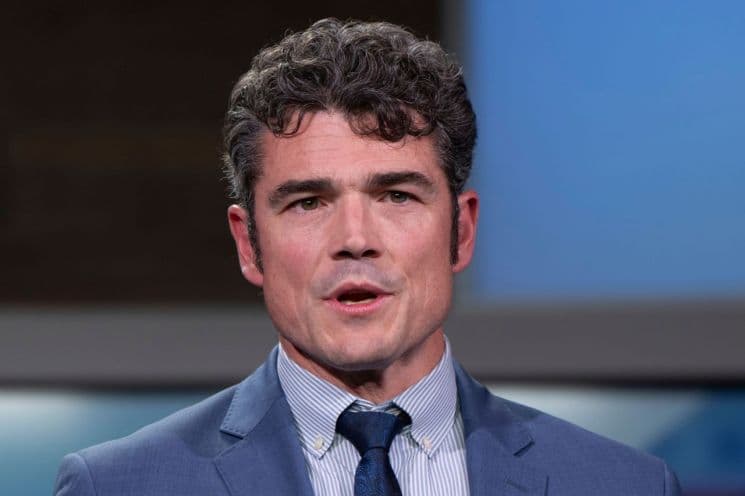
FBI investigates Joe Kent, former National Counterterrorism Center director, for allegedly leaking classified information.
81 sources compared

Lt. Gov. Juliana Stratton Wins Illinois Democratic Senate Primary to Replace Durbin
171 sources compared

Senators Grill Mullin Over DHS Nomination as Intel Officials Testify on Top Threats
91 sources compared

César Chávez Faces Sexual Abuse Allegations, Including Rape of Dolores Huerta and Other Survivors
34 sources compared