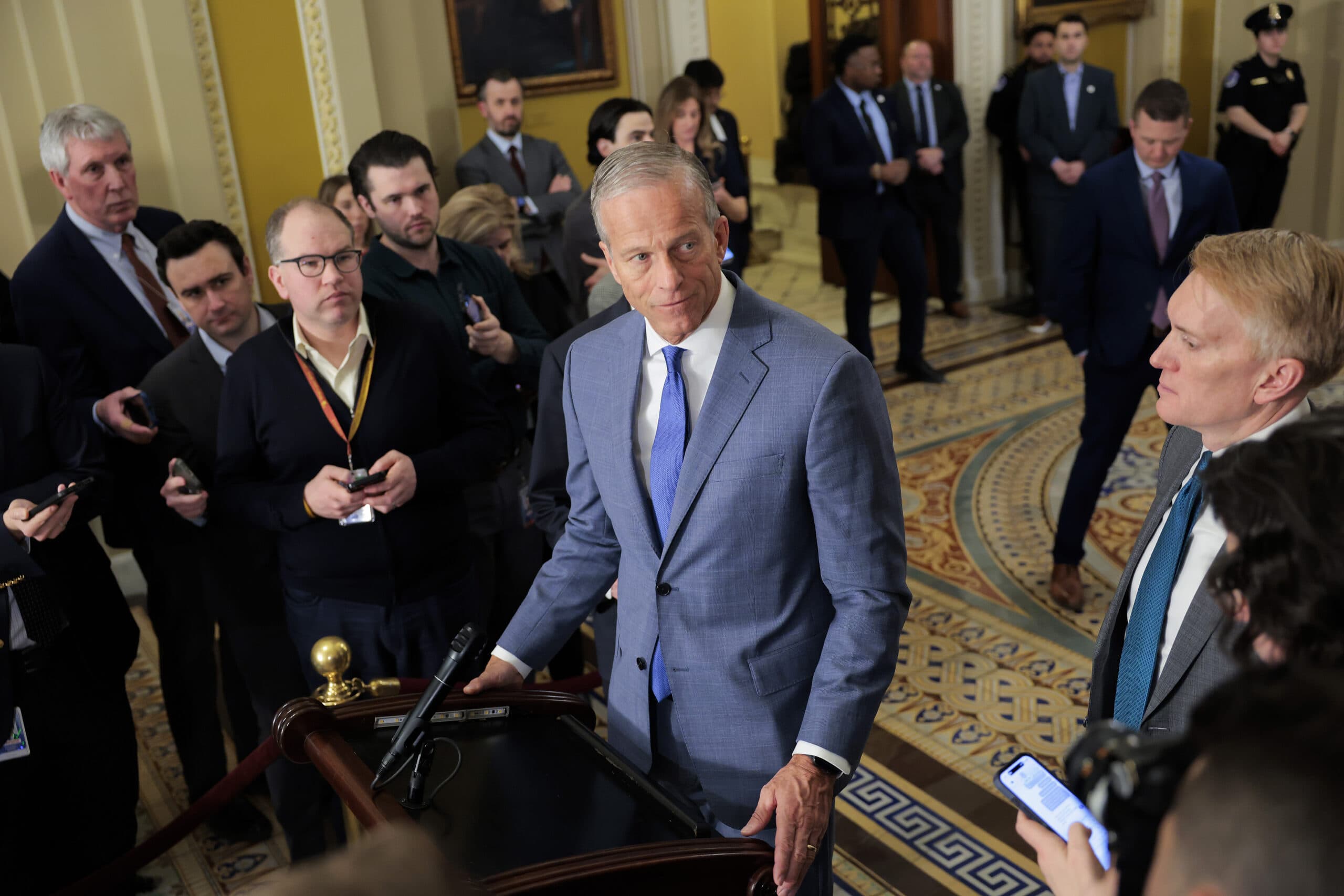
Senate Majority Leader John Thune Launches Marathon Debate on Trump's SAVE America Act
Key Takeaways
- Thune leads marathon debate on the House-passed voting rights bill.
- Debate could last days, potentially about ten days, delaying other legislation.
- Final vote unlikely; debate ends without approval.
Debate Launch
Senate Majority Leader John Thune initiated a marathon debate on Trump's SAVE America Act, marking the beginning of a potentially 10-floor process that will delay other legislative priorities.
“Debate on the most restrictive voting bill ever considered by Congress began Tuesday afternoon with a procedural inquiry, not a bang, as Senate Majority Leader John Thune asked the chair to “lay before the Senate the House message to accompany S”
The debate format, described as a 'hybrid talking filibuster,' allows lawmakers to hold the floor for extended periods to speak either for or against the House-passed legislation.
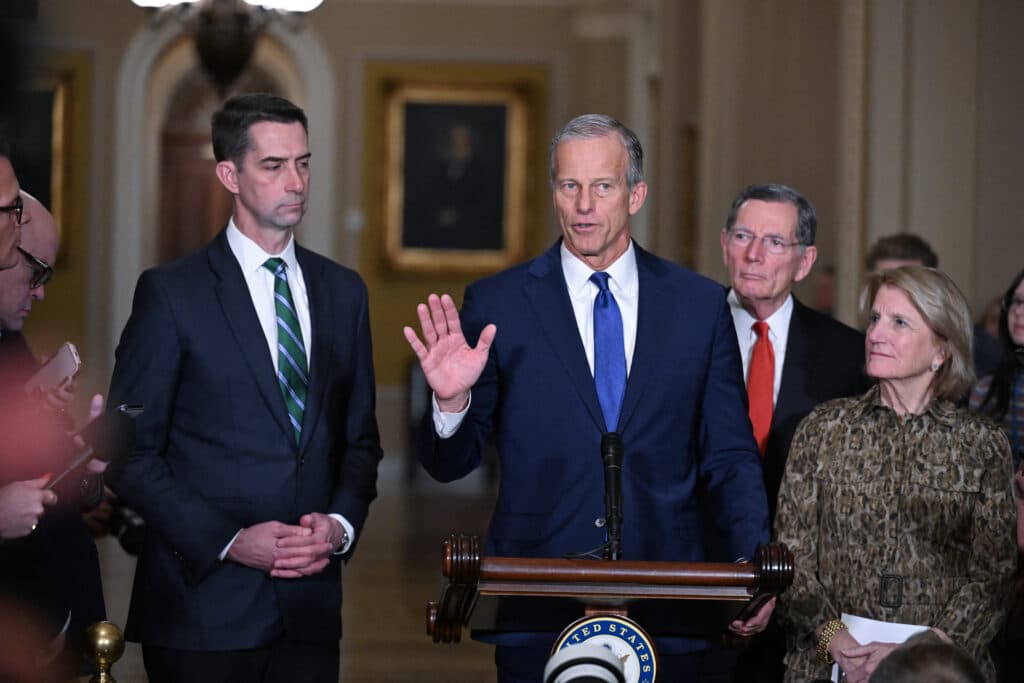
This political maneuver comes amid strong partisan divisions, with Senate Republicans pushing forward despite knowing the bill faces significant Democratic opposition.
The process represents a strategic move by Republican leadership to force their opponents into the public record on the contentious election reform measures.
Bill Requirements
The SAVE America Act represents one of the most restrictive voting legislation packages in recent congressional history, imposing multiple layers of documentation requirements on American voters.
The bill mandates that citizens provide documentary proof of citizenship (DPOC) such as a U.S. passport or certified birth certificate, specifically rejecting driver's licenses as insufficient documentation for voter registration.
For in-person voting, the legislation requires strict photo identification, while mail-in voters must submit photocopies of their IDs along with their ballots.
Additionally, the bill compels states to conduct ongoing voter roll checks using federal immigration databases overseen by the Department of Homeland Security, creating a comprehensive verification system that goes beyond existing federal election requirements.
Republican Support
Republican supporters frame the legislation as essential election security measures that enjoy widespread public support and common sense appeal.
“Politics Senate Begins Marathon Debate on Trump’s SAVE America Act, Despite Nearly Guaranteed Failure Democrats say they will not allow the bill to come to the floor for a final vote”
Senate Republicans argue that voter identification requirements are so obvious and fundamental that the debate itself seems unnecessary to many Americans.
Republican leaders plan to introduce multiple amendments during the marathon debate and have positioned the legislation as a necessary response to perceived election integrity concerns.
The party's messaging emphasizes the bill's provisions for Americans who may lack proper documentation, noting that it allows potential voters to issue sworn attestations under penalty of perjury to establish citizenship facts, with their votes being counted once states verify their eligibility.
Democratic Opposition
Democratic leadership has mounted fierce opposition to the SAVE America Act, characterizing it as a deliberate attempt to suppress voter participation rather than a legitimate election security measure.
Senate Minority Leader Chuck Schumer has explicitly labeled the legislation 'in every sense a voter suppression bill,' describing it as 'a naked attempt to rig our elections.'
Democrats argue that the bill's requirements will disenfranchise millions of Americans, particularly minority groups, the elderly, and low-income citizens who may lack access to specific documentation like passports or birth certificates.
The opposition points out that existing federal election law does not require states to officially review or verify citizenship attestations, suggesting the Republican push represents an unnecessary and burdensome change to established voting practices.
Trump's Influence
Former President Donald Trump has been a driving force behind the SAVE America Act, demonstrating his continued influence over Republican legislative priorities.
“(The Center Square) – The U”
Ahead of the Senate debate, Trump posted a typo-riddled rant on Truth Social, declaring the legislation 'one of the most IMPORTANT & CONSEQUENTIAL pieces of legislation in the history of Congress, and America itself.'
Trump has urged Republican lawmakers to add three additional controversial provisions to the bill: bans on no-excuse mail voting, prohibitions on transgender athletes in women's sports, and restrictions on gender-affirming care for minors.
These demands suggest the legislation has evolved beyond its original voter ID focus to encompass broader conservative cultural priorities, reflecting Trump's strategy of using election-related issues to energize his base and maintain political relevance.
Political Implications
Despite the marathon debate's political theater, observers expect the SAVE America Act to ultimately fail to overcome procedural hurdles and Democratic opposition.
The marathon debate format is unlikely to change enough Democratic minds to overcome the filibuster, but Republican leaders see strategic value in forcing their opponents to publicly document their opposition to the bill.
This legislative maneuver represents the latest chapter in the ongoing partisan battle over voting rights and election administration, with Republicans positioning themselves as champions of election integrity while Democrats frame the legislation as an attack on democratic participation.
The outcome of this debate will likely serve more as a political messaging tool than as actual legislation, reflecting the deeply divided nature of contemporary American politics on issues of voting rights.
More on USA
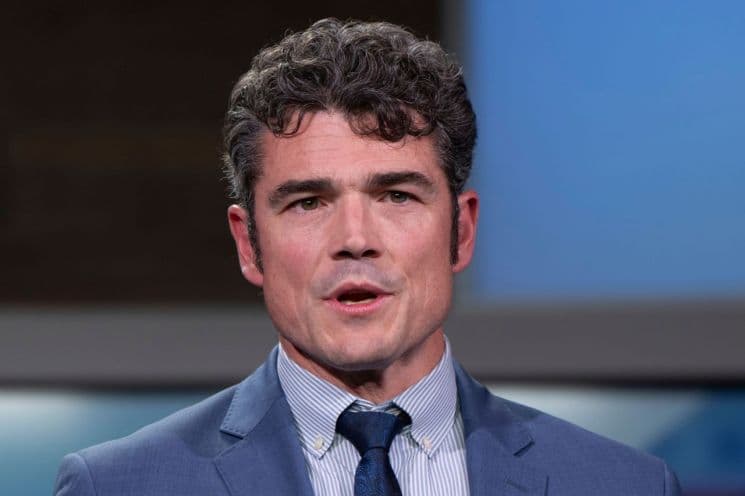
FBI investigates Joe Kent, former National Counterterrorism Center director, for allegedly leaking classified information.
81 sources compared

Lt. Gov. Juliana Stratton Wins Illinois Democratic Senate Primary to Replace Durbin
171 sources compared

Senators Grill Mullin Over DHS Nomination as Intel Officials Testify on Top Threats
91 sources compared

César Chávez Faces Sexual Abuse Allegations, Including Rape of Dolores Huerta and Other Survivors
34 sources compared